What Causes Toilets to Keep Running—and How Is It Fixed?
Why your toilet won’t stop running — simple flapper and valve fixes
A running toilet wastes water and raises your bill. According to the Environmental Protection Agency (EPA), a running toilet can waste more than 200 gallons of water per day, which can add up to over 6,000 gallons per month. This guide covers the usual causes (worn flappers, misadjusted fill valves, stuck floats) and gives clear DIY fixes, troubleshooting steps, and when to call a pro so you can stop waste quickly.
Common causes of a constantly running toilet
Most running toilets trace to a few parts: a warped or worn flapper, a failing fill valve, or a float set too high or stuck. Those parts control tank fill and the bowl seal — when one fails, water keeps moving and your costs rise. The EPA estimates that household leaks, including running toilets, can waste nearly 1 trillion gallons annually nationwide, accounting for about 10% of indoor water use.
How a faulty flapper lets water run
The flapper seals the tank to the bowl. If it’s cracked, warped, or misaligned, water drips into the bowl and triggers repeated refills. Replacing a worn flapper with the correct size and style usually stops the leak and saves gallons each day. Studies show that replacing a faulty flapper can save up to 1,000 gallons of water per month.
Using a flapper that matches your toilet’s design helps preserve the original water‑saving performance.
Choosing the right flapper keeps low‑flow toilets efficient
Putting the wrong replacement flapper — for example, a standard flapper into a toilet made for an early‑close model — can undo the toilet’s intended water savings. Choosing the correct flapper helps low‑flow toilets work the way they were designed to.
Functioning of aging low-consumption toilets in Tucson, 2000
Fill valve issues that cause constant running
Fill valves tell the tank when to stop filling. If a valve sticks or its seal fails, water can flow into the overflow tube. You may hear a trickle or soft hissing or see the tank refill more often than normal. Often the valve can be adjusted or replaced to stop the leak. According to plumbing experts, fill valve malfunctions are responsible for approximately 30% of running toilet issues.
How to diagnose and fix a running toilet yourself
Open the tank and watch a cycle: listen for a steady trickle or hiss, check the flapper seal, and note whether the float is moving freely. With basic tools you can diagnose most issues and fix them without a plumber.
Tools and steps for replacing a toilet flapper

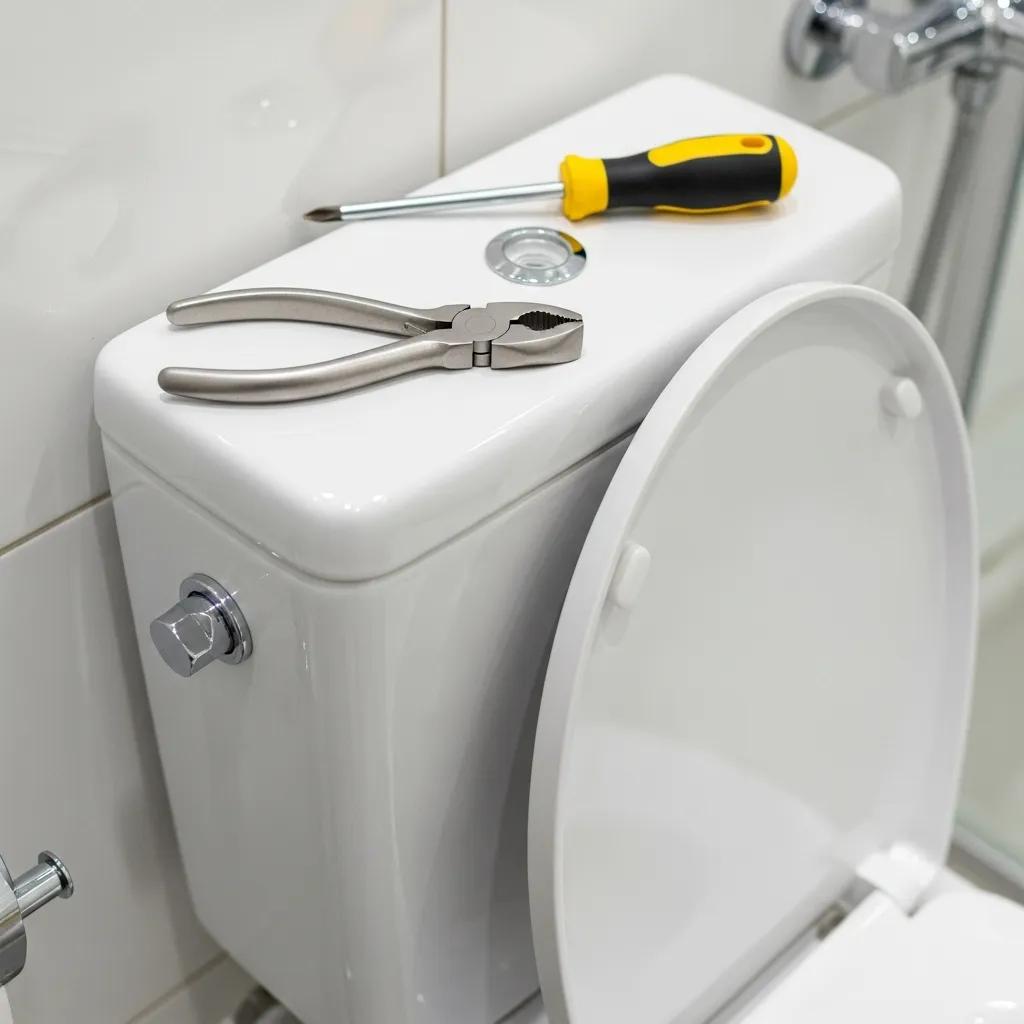
Common tools: pliers, a screwdriver, and a replacement flapper sized for your toilet. Basic steps:
Shut off the water supply and flush to empty most of the tank.
Remove the old flapper by unhooking the chain and detaching it from the pegs or overflow seat.
Install the new flapper so it sits level and the chain has slight slack.
Turn the water back on, let the tank refill, and test a few flushes to confirm the seal.
Follow those steps and the run‑refill cycle usually stops within minutes.
Knowing typical part life makes it easier to plan maintenance and avoid surprises.
Flapper lifespan and how often to replace them
Flappers are a wear item and will often be replaced several times during a toilet’s life — three or four swaps isn’t uncommon. Using the correct replacement helps the toilet perform as intended.
Maximum Performance Testing of Popular Toilet Models, 2003
Adjusting or replacing flush valve and handle parts

Worn or misaligned flush-valve or handle parts can prevent the flapper from seating or cause weak flushes. Quick checks:
Remove the tank lid and inspect the flush valve and surrounding parts for wear or cracks.
Adjust the handle so it moves freely and doesn’t hold the flapper open or pull it too tight.
Replace the flush valve if cracks or persistent leaks appear — this typically requires draining the tank and removing the valve.
These adjustments often restore normal flushing and stop continuous running.
When to call a pro for toilet tank repairs
Try simple DIY checks first, but call a pro if the issue is unclear, recurs, or ties to other plumbing problems. A technician can find hidden leaks and handle work that involves removing the tank or the flange. According to the Plumbing-Heating-Cooling Contractors Association (PHCC), professional intervention can reduce water waste by up to 20% in homes with persistent leaks.
Benefits of emergency repair services
Emergency services help when a running toilet is part of a larger, urgent issue. Key benefits:
24/7 response: techs can arrive outside normal hours when immediate help is needed. Learn more about our emergency plumbing services.
Faster diagnosis: pros bring experience and the right tools to find the root cause quickly.
Skilled technicians: licensed plumbers spot related issues a quick DIY fix may miss.
If the problem keeps recurring, emergency service can prevent water damage and rising bills.
How Law Plumbing Services helps Mid‑Ohio Valley homeowners
Law Plumbing Services serves the Mid‑Ohio Valley, including Belpre, OH and Parkersburg, WV. We handle routine toilet repairs as well as emergency plumbing, drain cleaning, and full system inspections, matching solutions to each home. Our services also include pool pump installation and servicing, sump pumps, bathtub and shower repairs, kitchen sinks and faucets, bathroom sinks and faucets, garbage disposal repairs and installations, general plumbing repair and installations, sewer line repair and installation, gas line repair, home water filtration system installations, hot water heater repairs and installation, water line repairs, and water coolers. Learn more about us on our About Our Company page or contact us for personalized service.
Why fixing a running toilet saves water and money
Stopping a running toilet reduces wasted water and lowers your monthly bill. Even small leaks can waste a surprising amount each day. The EPA estimates that fixing leaks can save the average household about 10,000 gallons of water annually, which translates to significant cost savings.
How much water can a running toilet waste each day?
Depending on the fault, a running toilet can waste roughly 30 to 200 gallons per day, which adds up quickly on your bill and across community water use. The U.S. Geological Survey notes that toilets account for nearly 30% of indoor water use, so addressing running toilets is critical for conservation.
Financial benefits of fixing it early
Prompt repairs cut wasted water and reduce extra wear on parts. Routine maintenance and early fixes extend component life and lower the chance of emergency replacements.
Early detection and repair of plumbing problems keeps costs and damage to a minimum.
Early repair of residential plumbing problems reduces overall costs
Most homeowners face plumbing problems at some point. When caught early, defects are usually simple and inexpensive to fix; left untreated they can lead to major damage and much higher repair bills.
Plumbing defects in residential buildings: analysis of anomalies and their causes, A Gurmu, 2023
CauseWhat happensImpactFaulty flapperFails to seal the tank, letting water flow into the bowlSignificant water waste, up to 1,000 gallons/monthMalfunctioning fill valveDoesn't shut off when the tank is full, allowing water into the overflow tubeHigher water bills, responsible for ~30% of running toilet issuesFloat mechanism issuesFloat set too high or stuck, so the tank keeps fillingOngoing water loss, increased wear on plumbing
This table summarizes the main causes of a running toilet and their typical effects on water use — address problems early to avoid waste.
In short: find the cause, replace worn parts, and keep up with routine maintenance to save water and avoid larger plumbing headaches. Whether you do a simple flapper swap or call a technician, acting quickly pays off.
If the problem continues, consider professional drain cleaning and a full inspection to ensure your system is working properly.
For dependable repairs and local support, Law Plumbing Services is ready to help.
Frequently asked questions
What are the signs that my toilet needs immediate repair?
Continuous running, constant refilling, hissing or gurgling, water pooling at the base, or weak flushes are signs to get help right away.
How can I prevent my toilet from running in the future?
Inspect the flapper, fill valve, and float every six months and replace worn parts early to keep the toilet sealing and filling properly.
Is it safe to use chemical cleaners in my toilet?
Some chemical cleaners can damage flappers and valves; use milder products or those made for toilets and follow instructions.
What should I do if I can't identify the cause of the running toilet?
If basic checks of the flapper, fill valve, and float don’t find the issue, call a professional plumber to diagnose hidden leaks or internal problems.
Can a running toilet affect my home's plumbing system?
Yes — continuous flow increases wear on pipes and fixtures, can cause leaks, and raises utility bills.
What are the long-term costs of ignoring a running toilet?
Ignoring a running toilet can lead to substantial water waste, higher bills, and potential plumbing damage or mold over time.
Are there any DIY solutions for more complex toilet issues?
Some more involved fixes are possible: adjust the flush valve or handle, check the overflow tube for obstructions, and ensure parts are aligned; otherwise call a plumber.
