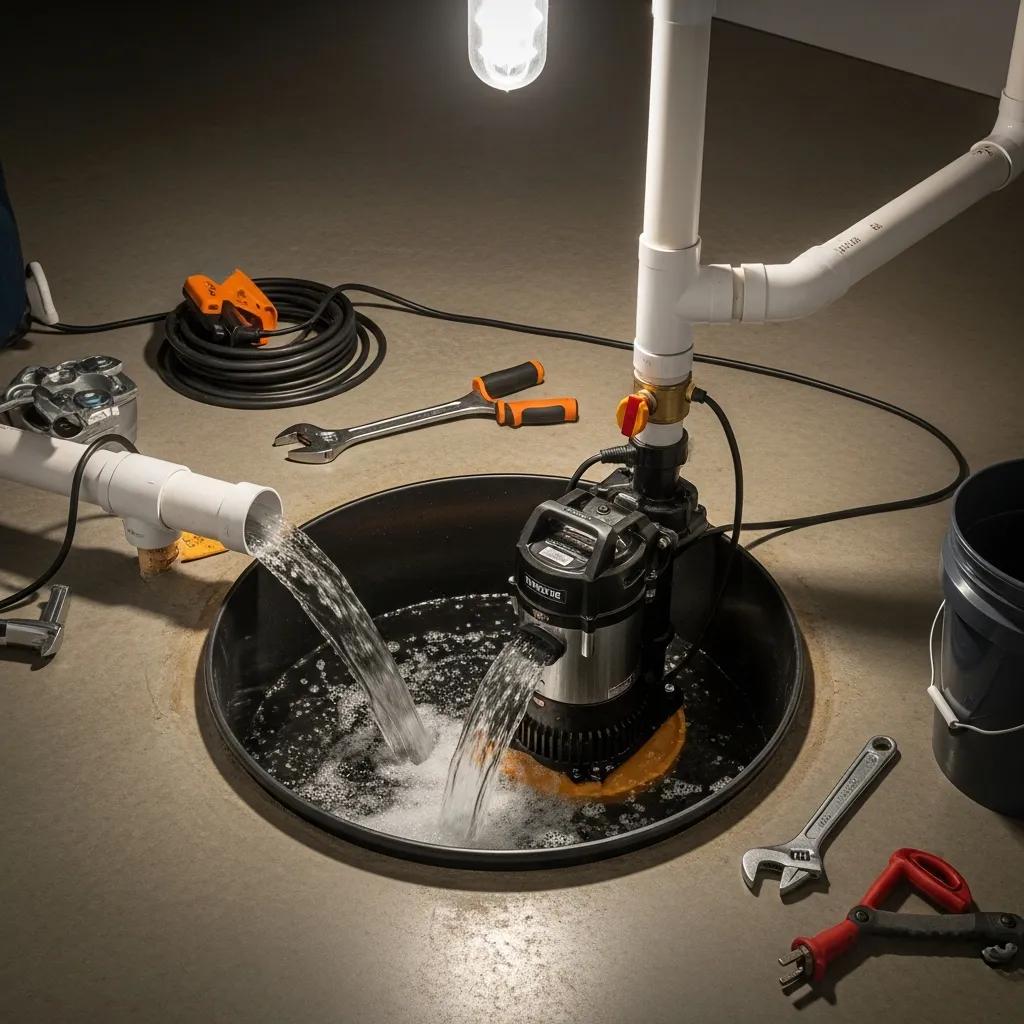
Maximize Savings: Repair or Replace Your Sump Pump?
Sump Pump Repair vs Replacement — Which One Actually Saves You Money?
Sump pumps are your first line of defense against basement flooding. Knowing when to repair a tired pump and when to replace it can save you real money and prevent costly water damage. This guide walks you through typical pump lifespans, warning signs to watch for, cost comparisons for repair versus replacement, and the long‑term value of proactive replacement. If you want a local, reliable team, Law Plumbing Services is here for Belpre, OH homeowners.
How Long Do Sump Pumps Usually Last — and Why It Matters
How long your sump pump lasts affects whether repairing it makes sense. Most pumps run between 7 and 15 years, depending on model and maintenance. Knowing that range helps you decide whether a repair is a short‑term fix or you're better off investing in new equipment.
Pedestal vs. Submersible: What Lifespan Can You Expect?

Pedestal pumps typically last about 8 to 15 years. Submersible pumps usually run 5 to 10 years. The difference comes down to design and environment — pedestal pumps sit above the pit and are generally easier to service, while submersible units work underwater and face tougher conditions.
Which Parts Decide a Pump’s Lifespan?
The motor, float switch, and check valve are the pieces that most affect durability. A strong motor and a reliable float switch keep the system working; a stuck switch or failed check valve can lead to premature failure. Simple, regular checks of these parts go a long way toward extending pump life.
Signs Your Sump Pump Needs Repair
Spotting early warning signs helps you avoid basement damage. If you notice any of the following, schedule a check with a pro or run basic tests yourself.
What Common Problems Point to a Malfunction?
Listen and watch for odd noises, constant on/off cycling, or a pump that doesn’t run when it should. Grinding or rattling often means motor or impeller trouble. Rapid cycling can indicate float switch problems, and a pump that fails during heavy rain is an urgent red flag.
Can Regular Maintenance Keep Small Issues From Becoming Big Bills?
Yes — routine maintenance reduces the chance of expensive repairs. Clean the sump pit, test the pump, and check the discharge line for blockages. Catching small issues early keeps your pump healthier and your repair bills lower.
When Replacement Is the Smarter Financial Move
Sometimes replacing a pump is the better long‑term choice. These are the situations where a new unit typically makes sense.
Age and Condition Clues That It’s Time to Replace
If your pump is over 10 years old, has recurring problems, or shows rust and corrosion, replacement is often the safest bet. Older pumps become less reliable and more costly to keep running.
How the “50 Percent Rule” Helps You Decide
A practical rule of thumb: if a repair will cost more than half the price of a new pump, replace it. For example, if a new pump costs $500 and the repair is $300, you’re usually better off buying new equipment that comes with a warranty.
Comparing Repair and Replacement Costs
Knowing typical costs helps you budget and choose the smarter option for your home.
What Do Common Repairs Usually Cost?
Repair prices typically fall between $150 and $400, depending on the issue. Float switch replacements are often $150–$200; motor work can climb to about $400. Regular maintenance helps keep these costs down by preventing larger failures.
What Should You Expect to Pay for a New Pump?
New pump prices depend on style. Pedestal pumps usually run $150–$300; submersible pumps are commonly $300–$700. Plan on an extra $150–$300 for professional installation, depending on how complex the job is.
Repair TypeAverage CostDescriptionFloat Switch Replacement$150-$200Replacing a malfunctioning float switch.Motor Replacement$400Costs associated with replacing the motor.Installation of New Pump$150-$300Labor costs for installing a new sump pump.
This table lays out common repair and installation costs so you can plan and decide with confidence.
The Long‑Term Payoff of Replacing a Sump Pump Early

Replacing an old pump before it fails can prevent the real expense: water damage repairs. A new pump runs more reliably and often uses less energy, and it removes the stress of emergency failures.
How Replacement Lowers Water Damage and Mold Risk
New equipment reduces the chance of basement flooding and the mold that follows. A dependable pump during heavy storms means fewer headaches and lower repair bills down the road.
Efficiency and Warranty Benefits of New Pumps
Modern pumps are more energy efficient and often backed by better warranties. That can mean lower utility costs and peace of mind knowing your investment has protection if something goes wrong.
Why Homeowners Choose Law Plumbing Services for Sump Pump Work
When sump pump trouble strikes, you want a local team that knows the area and cares about your home. That’s what we deliver in Belpre and the Mid‑Ohio Valley.
Why Law Plumbing Services Is Trusted in Belpre and the Mid‑Ohio Valley
With over 12 years in the plumbing business, we handle everything from routine sump pump maintenance to full replacement. Our expertise extends to drain cleaning, hot water heater repairs, toilet repairs, sewer line repair, gas line repair, and even pool pump servicing. We’re proud of our community reputation and focus on clear, honest service for homeowners. To learn more about our company and the full scope of our offerings, we invite you to explore our site or contact us directly.
How 24/7 Emergency Service Keeps You Covered
Storms and pump failures don’t wait for business hours. Our 24/7 emergency availability means you can get help fast when it matters most — and that reliability is part of the value we bring.
Frequently Asked Questions
How Can I Extend the Life of My Sump Pump?
Keep the sump pit clean, test the pump a few times a year, and inspect the float switch and discharge line for clogs. Small DIY checks help, but scheduling a professional inspection at least once a year catches wear before it becomes a costly problem.
What Are Clear Signs a Sump Pump Needs Replacing?
Look for repeated failures, a pump older than 10 years, visible rust or corrosion, or a pump that doesn’t run during heavy rain. Any of those signs means replacement should be strongly considered to avoid basement damage.
How Do I Pick the Right Sump Pump for My Home?
Consider your basement size, local water table, and whether a pedestal or submersible model fits your space and maintenance preferences. Check energy efficiency and warranties, and ask a pro for a recommendation based on your house and budget.
Are There Environmental Upsides to Upgrading My Pump?
Yes. Newer pumps use less electricity and run more efficiently, which lowers your energy use. A reliable pump also prevents water damage that can lead to mold and other environmental hazards inside your home.
Can I Do Sump Pump Repairs Myself?
Some simple tasks — like cleaning the pit or swapping a float switch — can be DIY. But electrical work, motor repairs, or complex troubleshooting should be left to a licensed technician to avoid safety risks and further damage.
What Should I Do If My Pump Fails During a Storm?
First, stay safe and avoid standing water. If it’s safe to do so, remove water with a bucket or wet/dry vacuum until help arrives. Call for emergency plumbing assistance right away. Also consider a battery backup or secondary pump to protect against future failures during power outages.
