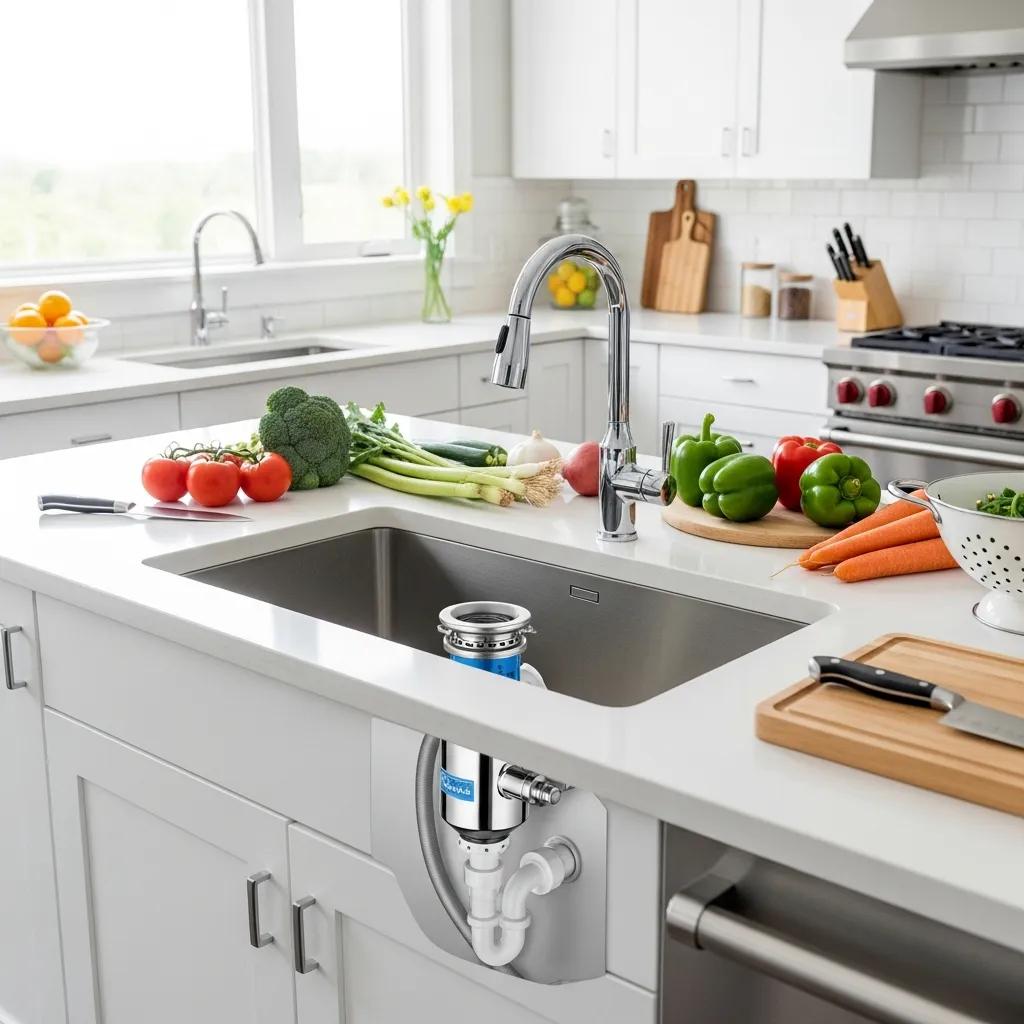
Is Garbage Disposal Repair Worth It—or Should You Install a New One?
Should You Repair Your Garbage Disposal or Install a New One?
Garbage disposals speed kitchen cleanup and reduce food waste. When yours malfunctions, this guide helps you spot symptoms, compare repair versus replacement costs, and follow basic maintenance so you can pick the best option for your home and budget.
What Are the Signs Your Garbage Disposal Needs Repair?
Catch problems early: unusual noises, frequent clogs, slow draining, or water pooling under the sink are clear warning signs. Addressing these quickly usually keeps repair needs small.
Research shows that early detection of plumbing defects limits both cost and damage.
Residential plumbing issues: fix early to avoid bigger costs
Most homeowners report some plumbing problems. When they’re caught and repaired early, fixes are usually straightforward. Left unattended, those same defects can develop into major—and costly—repairs.
Plumbing defects in residential buildings: analysis of anomalies and their causes, A Gurmu, 2023
How to Identify Common Garbage Disposal Failures

Grinding or rattling often means a hard object is lodged inside. If the unit won’t turn on, check the reset button and power; persistent failure can indicate motor or electrical faults. Early clues save time and money.
When Does Kitchen Sink Plumbing Repair Become Necessary?
Common signs that plumbing repair is needed:
Leaks: Persistent drips under the sink can cause mold and cabinet damage.
Dripping Faucets: Continuous drips waste water and signal worn parts.
Slow Drains: Backing up or slow flow usually means a developing blockage.
Water Damage: Stains, soft wood, or pooled water require prompt repair.
How Do Repair Costs Compare to Garbage Disposal Replacement Costs?
Repairs can be cheaper short term; replacement often gives better reliability for older or repeatedly failing units. Compare immediate cost to future service expectations when deciding.
What Is the Average Cost to Repair a Garbage Disposal?
Repairs typically range from $75 to $250. Simple fixes (clearing jams, switches) are at the low end; motor or electrical repairs raise the cost.
How Much Does Installing a New Garbage Disposal Typically Cost?
New unit installation usually costs $150 to $400 including parts and labor. New disposals are often more efficient and reduce repeat service calls, so replacement can be cost-effective for older units.
ServiceCostDescriptionGarbage Disposal Repair$75 - $250Price depends on the problem and replacement parts needed.Garbage Disposal Replacement$150 - $400Includes the new unit plus installation labor.
Consider the unit’s age and repair frequency. A single low repair may not be worth it if failures continue.
What Are Essential Garbage Disposal Maintenance Tips to Extend Lifespan?
Regular, simple care reduces emergencies. A few small habits extend service life.
How Can Regular Maintenance Prevent Kitchen Plumbing Emergencies?
Run cold water while operating the disposal to flush debris. Occasionally grind ice or citrus peels to remove buildup and freshen the unit.
What Are Simple Troubleshooting Steps for Garbage Disposal Issues?
Basic safe checks:
Check the Power: Ensure the unit is plugged in and press the reset button if tripped.
Inspect for Clogs: With power off, use a flashlight to look for obvious jams—never place your hand inside.
Run Water: Use a steady stream of cold water while operating the disposal to move debris down the drain.
If you prefer professional help, Law Plumbing Services provides repair and installation to restore kitchen function.
When Should You Choose Emergency Garbage Disposal Repair Services?
Call emergency services for active leaks, major backups, or electrical faults that pose immediate risk. Prompt response limits water damage and safety hazards.
How Quickly Can Emergency Plumbing Fix a Broken Garbage Disposal?
Emergency plumbers often respond within hours, depending on location and timing. Fast service reduces damage and downtime.
What Are the Benefits of 24/7 Emergency Garbage Disposal Repair in Mid Ohio Valley?

Advantages of 24/7 emergency service:
Immediate Response: Reduces damage and disruption.
Convenience: Nights and weekends are covered.
Expertise: Trained plumbers solve issues safely.
Local Knowledge: Teams know common neighborhood plumbing quirks.
Prevention: Quick fixes stop small problems from worsening.
Keep plumbing in shape with professional repair and installation when needed. For repeated slow drains, consider drain cleaning. For gas concerns, schedule a professional inspection or gas line repair promptly.
Recognizing warning signs and acting quickly helps keep kitchens safe and functional.
Frequently Asked Questions
What should I do if my garbage disposal is making a humming noise?
Humming usually means the motor is trying to turn but the blades are stuck. Turn off and unplug the unit, try manually turning the motor with a hex wrench at the bottom, then check reset and power. If humming persists, call a professional.
How long can I expect my garbage disposal to last?
Most disposals last about 8–15 years depending on use and maintenance. Frequent problems near the 10-year mark usually favor replacement.
Can I repair my garbage disposal myself?
Simple fixes—resetting or removing visible jams—are DIY-friendly. For electrical faults, motor issues, or leaks, contact a licensed plumber to avoid hazards and further damage.
What types of food should I avoid putting in my garbage disposal?
Avoid fibrous items (celery, corn husks), starchy foods (large amounts of pasta or rice), hard objects (bones, pits), and grease or oil. These clog or damage the unit; compost or trash them instead.
How can I tell if my garbage disposal is beyond repair?
Consider replacement for frequent breakdowns, loud unusual noises, persistent leaks, or when the unit is over 10 years old and needs multiple fixes. A professional inspection provides a clear recommendation.
What maintenance steps can I take to prevent garbage disposal issues?
Run cold water while operating the disposal, grind small amounts at a time, and use ice or citrus peels occasionally to clean the blades. Avoid putting inappropriate items down the drain and check for clogs periodically.
