
Expert Clogged Drain Repair Tips for Quick Solutions
Swift & Trustworthy Drain Solutions
When a drain slows or backs up, it’s usually because solids or sticky residues have built up inside the pipe. That shows up as slow-draining water, gurgling noises, or occasional backups that interrupt your day. This guide walks you through practical, quick fixes you can try safely at home — plus prevention tips and clear signs it’s time to call a pro. You’ll learn when to use a plunger, baking soda and vinegar, a drain snake, or hot water, what each method does, and how to avoid common mistakes. We also compare chemical, natural, and enzymatic cleaners and explain how professionals diagnose tougher or main-line blockages. Read on for step-by-step methods, simple decision checks for emergencies, recommended tools, and local service options if you need expert help. After this you’ll know which repairs are safe to attempt and when a licensed technician should take over to protect your plumbing.
What Are the Most Common Causes of Clogged Drains?
Most clogs form when materials collect and narrow the pipe. Hair and soap combine into mats, grease cools and sticks to pipe walls, and mineral scale slowly narrows the bore. Identifying the likely cause helps you pick the fastest, safest fix and avoid repeat problems. A quick diagnosis-first approach saves time, prevents unnecessary repairs, and helps you choose DIY methods that actually work. Below are the usual culprits, how they form, and where they’re most likely to show up.
Common causes of clogged drains include these items and mechanisms:
Hair and soap scum: Hair tangles with soap residue to form dense mats that trap more debris.
Grease and fat buildup: Warm grease cools and solidifies on pipe walls, catching food particles and narrowing flow.
Food particles and coffee grounds: Small solids collect in bends and P-traps when not rinsed away.
These patterns explain why some blockages clear with a plunger and others require mechanical removal — which leads into choosing the right DIY method for fast, safe results.
How Do Hair, Grease, and Soap Scum Cause Drain Blockages?
Each material clogs pipes in predictable ways. Hair links together and binds to soap film to form fibrous bundles that catch debris. Grease congeals into a slippery coating that narrows the pipe over time. Soap scum and hard-water minerals can combine into gritty deposits that cling to walls. Because these blockages often include mixed materials, they may need different tactics: mechanical extraction for hair, hot water and degreaser for grease, and enzymatic cleaners for organic residue. Knowing what you’re dealing with helps you pick the right tool and avoid wasted attempts.
Simple prevention—like screens and timely cleaning—reduces the need for the more aggressive fixes described below.
Hair and Soap Scum: Mechanisms of Drain Clogging and Cleaning Solutions
Foaming can assist declogging by loosening hair and helping soap scum detach from surfaces, which makes physical removal easier.
5 Specialty Cleaners, 2008
Which Household Areas Are Most Prone to Drain Clogs?
Different rooms produce predictable clog types. Kitchens tend to clog with grease and food debris in sink traps and disposal lines. Bathrooms get hair and soap scum in showers and sinks. Toilets block from foreign objects or heavy paper waste. Laundry drains collect lint and detergent residue. Each area has its own prevention and response steps — for example, kitchen sinks benefit from grease-capture habits while bathrooms do well with hair traps and occasional snaking. Knowing the location narrows down the likely cause and the right first-aid action.
Matching locations to targeted fixes makes DIY steps more effective and reduces the chance that the problem has already progressed toward the main sewer line.
What Are the Symptoms of a Clogged Drain?
Signs range from slow drainage and standing water to gurgling sounds and bad smells. Sluggish drain flow usually points to a local buildup. Gurgling or bubbling that affects multiple fixtures suggests venting problems or a main-line issue. Persistent sewage odors mean organic material or a failed trap and need prompt attention. Each symptom suggests an immediate action — try a plunger or enzyme flush for a slow sink, inspect multiple fixtures if gurgling occurs, and call a professional for sewage smells or backups. Catching problems early reduces the risk of property damage and more invasive repairs.
Recognizing symptoms helps you choose the practical DIY steps outlined next so you can try safe, quick fixes first.
What Are the Best DIY Drain Repair Methods for Quick Solutions?
Several DIY methods work reliably on fresh, common clogs: plunging creates pressure to dislodge obstructions, natural reactions can loosen organic residue, and drain snakes mechanically break up or retrieve blockages. Each method has limits — plungers are non-destructive and immediate, baking soda and vinegar help with light organic buildup, snakes reach deeper blockages, and hot water can melt recent grease. Start with the least invasive option and move up only if needed to avoid damaging pipes.
Below are step-by-step methods for common household clogs, matched to likely causes and fixtures.
Plunge first: Seal around the drain and use steady, controlled strokes to dislodge the clog. Stop and reassess if water rises too high.
Baking soda + vinegar: Pour about a cup of baking soda down the drain, follow with a cup of white vinegar, let it fizz 15–30 minutes, then flush with hot water to carry away loosened residue.
Drain snake (hand auger): Feed the snake into the drain while turning slowly to hook or break the clog, then remove debris carefully into a bucket to avoid re-clogging.
Hot-water method: Pour hot (not boiling) water in stages to melt fresh grease, pausing between pours; be cautious with older PVC to avoid heat damage.
These options handle most common clogs and make it clear when to stop and call a professional — details and cautions follow in the next sections.
How to Use a Plunger Effectively for Different Types of Drains?
A plunger works by sealing the drain and using pressure to move trapped material. Use a cup plunger for sinks and tubs and a flange plunger for toilets. Make sure overflow openings are sealed so pressure builds properly. Use steady pushes and pulls rather than sharp jerks, and check progress after several cycles. If nothing changes after repeated attempts, don’t force it — you could damage fixtures or push the clog deeper. A good seal is the most common reason plunging fails, so take time to position the tool correctly.
Getting plunging right often keeps you from needing a snake and sets realistic expectations about when mechanical tools are required.
How Does the Baking Soda and Vinegar Method Work to Clear Minor Clogs?
This method uses an acid-base reaction to loosen soft organic matter and produce fizzing that helps dislodge light buildup. Pour a cup of baking soda, then a cup of white vinegar, wait 15–30 minutes, and follow with hot (not boiling) water in stages. It’s safe for most pipes and environmentally friendly, but it’s not powerful enough for solid obstructions or heavy mineral scale. Never combine this with commercial chemical cleaners. Use it for recent organic clogs and routine maintenance.
Regular use as part of a maintenance routine can help keep minor slow drains from getting worse.
When and How Should You Use a Drain Snake or Auger?
Use a hand auger when plunging fails and you suspect a localized mechanical blockage in the trap or the immediate run. Choose a hand auger for sinks and tubs and a longer cable or powered unit for deeper lines. Feed the cable gently while turning to avoid snagging or scratching pipe walls. Pull debris into a bucket and test flow. If the cable won’t advance or you meet solid resistance, stop and call a professional — you may have a foreign object or a harder obstruction. Proper selection and careful feeding reduce the risk of pipe damage.
Knowing when to move from plunging to snaking prevents worsening the clog or harming older pipes.
Can Boiling Water Help Dissolve Grease and Food Debris Clogs?
Very hot water can soften recent grease so it can flow downstream, but use it cautiously. Boil water, let it cool 20–30 seconds to avoid thermal shock, and pour in two or three slow stages with pauses between pours. This is effective on fresh grease but won’t fix hardened buildup or mixed hair/soap clogs. Avoid pouring boiling water into older PVC or fragile fittings — when in doubt use warm water and consider a degreaser if hot water alone doesn’t clear the line.
If hot water doesn’t work, follow with a mechanical step or a degreasing agent to prevent grease from re-solidifying further down the pipe.
How Can You Prevent Future Drain Blockages?
Prevention focuses on keeping clog-forming material out of the pipes and establishing simple maintenance habits. That reduces repair frequency and extends pipe life. Practical steps include using strainers, keeping grease out of the drain, running monthly enzyme treatments, and scheduling periodic professional inspections for high-use homes. These small habits save time and money compared with repeated emergency fixes.
Key prevention practices include:
Install screens and strainers on sinks, showers, and tubs to catch hair and food before it enters the drain.
Collect grease in a container and throw it away once it solidifies instead of pouring it down the sink.
Run enzyme-based maintenance monthly to digest organic residue and check pop-up drains visually each week.
These daily and monthly habits lower the chance of costly main-line problems and create an easy maintenance routine for homeowners.
What Are the Best Practices for Preventing Hair and Soap Scum Clogs?
Use fine-mesh drain covers in showers and sinks to trap hair, and remove trapped hair after each use. Once a month use a zip tool or gloved hand to clear early buildup from pop-ups and visible drain holes before it combines with soap scum. Choose low-residue soaps when possible and consider a weekly enzyme treatment in hard-water areas where minerals worsen scum. Small, consistent steps keep drains flowing and cut down on mechanical cleanings.
These habits reduce downstream problems and make simple maintenance much more effective.
How Should You Dispose of Grease and Food Waste to Avoid Kitchen Sink Clogs?
Don’t pour liquid grease or oil down the sink. Collect grease in a container, let it solidify, and dispose of it in the trash or compost where allowed. Scrape plates into the trash before rinsing and use sink strainers to catch solids that would otherwise lodge in P-traps or disposal lines. Use garbage disposals for small, soft scraps only — avoid fibrous or starchy items that can clump. Periodically flush disposals with hot water and a mild enzyme cleaner. These habits limit buildup and protect downstream lines from multi-material blockages.
Following these simple disposal rules prevents recurring kitchen clogs and reduces reliance on harsh chemical cleaners that can harm pipes.
Fats, Oils, and Grease (FOG) Blockages: Etiology and Mitigation in Domestic Drainage Systems
Fats, oils, and grease (FOG) are a leading cause of sewer blockages and infrastructure costs. Household disposal habits strongly influence FOG accumulation, so proper management at the source is the first line of defense.
Practices in the management of domestic fats, oil and grease, YM Ho, 2013
What Is a Recommended Regular Drain Maintenance Schedule?
A practical schedule mixes quick homeowner tasks with periodic professional checks: weekly — clear strainers and a quick visual clean; monthly — enzyme or baking soda maintenance for organic residue; quarterly — inspect disposals and traps; yearly — professional camera inspection if you have older pipes or a clog history. Weekly checks prevent immediate problems, monthly treatments reduce organic film, and annual professional reviews catch early signs of scale, roots, or main-line issues. This cadence keeps DIY work manageable and reserves professional service for when it’s most useful.
Sticking to a routine lowers the risk of emergency backups and extends the life of your plumbing system.
When Should You Call a Professional for Emergency Drain Service?
Call a licensed plumber when signs point to main-line failure, sewage backflow, repeated clogs despite good maintenance, or when DIY attempts risk damaging older pipes. Professionals diagnose severity with camera inspections and apply robust solutions like mechanical snaking or hydro-jetting when needed. Early professional involvement often resolves problems faster and cheaper than repeated DIY attempts. The list below highlights warning signs that require immediate or near-immediate professional attention.
Recognize these warning signs as calls for professional help:
Multiple fixtures backing up at once, which usually indicates a main sewer line obstruction.
Strong sewage odors or visible sewage in drains or fixtures — a health hazard that needs prompt containment and repair.
Persistent gurgling or bubbling from vents and fixtures after DIY attempts, suggesting venting or major line problems.
If you see these signs, stop mixing chemicals or trying more home remedies and contact a licensed technician who can diagnose and clear the line safely.
What Are the Warning Signs of a Severe or Main Line Clog?
Main-line clogs often show up as multiple slow or backed-up drains, toilets that overflow when other fixtures run, and strong sewage odors inside or outside the house. Yard sinkholes, unusually wet patches near sewer lines, and repeated clogs across fixtures despite proper maintenance are also red flags for main-line issues or root intrusion. These symptoms mean the blockage is beyond simple trap cleaning and often requires in-line mechanical cleaning or excavation. When several of these signs occur together, call for professional diagnostics right away to avoid contamination or property damage.
Spotting clustered symptoms quickly helps prioritize camera inspection and prevents repeated home remedies that can make professional diagnosis harder.
What Can You Expect from a Professional Drain Cleaning Service?
A professional service starts with diagnostics — usually a camera inspection to locate and describe the blockage — followed by clear options such as snaking, hydro-jetting, or localized repair. Technicians show what they find, explain recommended fixes, and choose tools that clear the line with minimal damage. Mechanical snaking works well for many blockages; hydro-jetting removes grease, roots, and sediment for a deeper clean. Expect a time estimate, explanation of follow-up steps, and prevention advice; cleanup and post-work testing are standard.
Law Plumbing Services LLC offers local diagnostics and cleaning across the Mid-Ohio Valley, including camera inspections and mechanical cleaning for residential customers in Belpre and Parkersburg. Our team can recommend snaking or hydro-jetting when appropriate to resolve main-line or persistent clogs efficiently.
Understanding professional procedures explains why a technician is often the quickest, safest choice for severe or recurring issues and sets expectations for repair options.
How Do Licensed Plumbers Diagnose and Repair Complex Drain Blockages?
Licensed plumbers follow a diagnostic workflow: camera inspection to see the blockage and pipe condition, locating the affected section, and matching a repair strategy — from snaking and hydro-jetting to spot repairs or trenchless lining for damaged pipes. Camera footage identifies blockage type (roots, grease, collapse), locators map where to work, and the chosen repair balances durability, cost, and disruption. Trenchless lining or spot replacement is used when pipe walls are compromised but full replacement isn’t necessary. Hydro-jetting is preferred for heavy grease, scale, and root issues. This targeted approach minimizes excavation and provides longer-lasting results.
Knowing how diagnostics map to repairs helps homeowners compare estimates and pick the right level of intervention for complex problems.
What Are the Most Effective Drain Cleaning Solutions: Chemical vs. Natural?
Drain cleaners fall into three categories: caustic/oxidizing chemicals, natural home remedies like baking soda and vinegar, and enzymatic biological cleaners. Chemicals work fast on organic clogs but can be corrosive and hazardous. Natural methods are safe and eco-friendly but less powerful. Enzymatic cleaners digest organic buildup over hours or days and are gentle on pipes and septic systems. Choice depends on pipe material, clog type, environmental concerns, and how quickly you need the drain cleared. The table below summarizes effectiveness, safety, and use cases to help you decide.
Cleaner TypeEffectivenessSafety / Pipe CompatibilityCaustic chemical cleanersHigh for dissolving organic clogs quicklyFast-acting but can corrode older metal pipes and harm septic systems; handle with careBaking soda + vinegar (natural)Low–moderate on minor organic buildupSafe for most pipes and eco-friendly; best for preventive or light useEnzymatic cleanersModerate over longer dwell times for organic residueGentle on pipes and septic systems; ideal for maintenance and slow buildup
This comparison shows chemicals are best reserved for short-term, specific uses; enzymes and natural methods work well for maintenance and minor clogs. Always consider pipe material and septic systems when choosing a cleaner.
What Are the Pros and Cons of Chemical Drain Cleaners?
Chemical cleaners dissolve or oxidize organic matter quickly and can give fast relief, but they come with risks: repeated use can corrode metal pipes, they produce hazardous fumes, and they can harm septic biology. Use them only as a last resort when other methods fail, follow label instructions exactly, and avoid them on older cast-iron or galvanized systems. Never mix chemicals. For stubborn or recurring clogs, professionals prefer mechanical or hydro-jetting methods that clear lines without long-term corrosion risk.
This risk–benefit view favors careful, sparing use of caustic agents and supports enzyme or mechanical options whenever practical.
How Do Natural and Enzymatic Drain Cleaners Work?
Baking soda and vinegar produce an acid-base reaction that loosens soft, recent organic matter; combined with a hot-water flush, this can clear minor clogs. Enzymatic cleaners contain bacteria or enzymes that slowly digest organic buildup over hours or days, restoring flow and preventing reaccumulation when used regularly. Enzyme treatments are slower but safer for pipes and septic systems, making them a good maintenance choice. For urgent blockages, natural or enzymatic methods may be too slow — that’s when mechanical or professional measures are needed.
Adding an enzymatic product to a monthly maintenance routine reduces dependence on harsh chemicals and helps protect pipe integrity.
Which Drain Cleaning Methods Are Safe for Different Pipe Materials?
Pipe material guides safe choices: PVC tolerates hot water and most non-corrosive cleaners; cast iron stands up to mechanical cleaning but can corrode from repeated chemical use; older galvanized or lead lines need conservative handling and professional review. Enzymatic cleaners are broadly safe and work with septic systems, while hydro-jetting is powerful but should only be used on robust lines after a condition assessment. Always confirm pipe condition before aggressive mechanical or high-pressure cleaning to avoid accelerating deterioration.
Checking pipe material and condition before aggressive cleaning preserves system life and reduces the chance of unexpected repairs.
How Do You Unclog Specific Drains: Kitchen Sink, Shower, and Toilet?
Each fixture needs a tailored approach. Kitchen sinks often clear with P-trap removal or targeted snaking. Shower drains need hair extraction and pop-up cleaning. Toilets typically respond to correct plunging or careful augering. Knowing which tool fits the fixture and clog type saves time and reduces risk — P-trap removal is usually the fastest fix for kitchen debris, hair tools pull mats from shower drains, and flange plungers or toilet augers are the right choices for toilets. The steps below help you attempt the most common fixture repairs safely.
Following fixture-specific steps increases your chance of a successful DIY repair and helps you decide when to call a pro.
How to Remove Grease and Food Debris from Kitchen Sink Drains?
Begin by placing a bucket under the P-trap, loosen the slip nuts, remove the trap, and clean out trapped food and grease with gloves and a brush. Reassemble and test the flow. If debris is farther down, feed a hand auger through the drain or access the line from the disposal outlet. Don’t pour boiling water into PVC traps and limit chemical use if you plan to inspect the trap. Solidify and throw away collected grease rather than rinsing it. Cleaning the trap usually fixes most kitchen sink clogs and prevents future buildup.
This P-trap-first approach is safe, direct, and often resolves kitchen clogs on the spot.
What Are the Best Techniques to Clear Hair and Soap Scum from Shower Drains?
Remove the drain cover and pull visible hair out with a zip tool or gloved hands. Use a small hand auger to break up deeper mats, then finish with an enzyme flush to slow re-accumulation. Pop-up drains may need to be unscrewed or lifted for access. Avoid harsh chemicals that can react with shampoos or conditioners. A simple hair catcher used every shower dramatically cuts down on mechanical cleaning.
Doing this monthly keeps shower drains flowing and avoids major tools.
When Is Plunging Effective for Toilet Clogs and When to Call a Plumber?
Plunging works well for soft obstructions and excess toilet paper when used with a flange plunger and steady technique. If plunging repeatedly fails, if the toilet backs up when other fixtures run, or if a foreign object is stuck in the bowl, call a pro. Use firm, repeated strokes while keeping the seal; if water rises dangerously or you see no progress after several minutes, stop and escalate. Plumbers have specialized augers and cameras to retrieve objects or clear main-line obstructions safely. Knowing when to stop prevents damage and speeds a permanent fix.
This distinction helps homeowners avoid prolonged, ineffective plunging that can push clogs deeper.
What Tools and Supplies Are Essential for DIY Drain Blockage Removal?
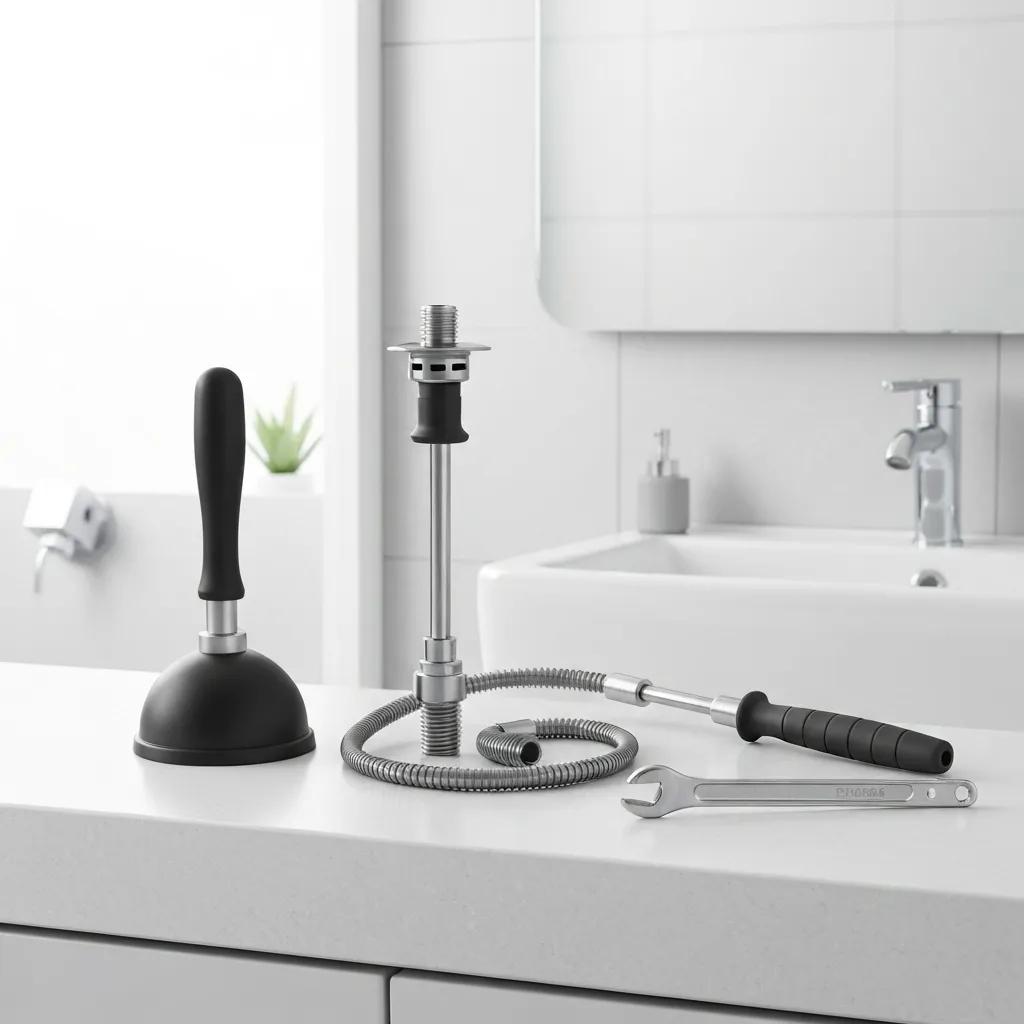
A small kit covers most DIY jobs: a cup plunger and a flange plunger, a hand drain snake or auger, channel-lock pliers or a P-trap wrench, a bucket, gloves, and an enzymatic cleaner for maintenance. Use the right plunger for the fixture, feed augers slowly to avoid scoring pipes, and protect your eyes and hands around chemicals. Building this kit saves time, reduces risky improvisation, and makes common unclogs manageable. The table below matches tools to typical uses and safety tips for quick reference.
ToolBest ForHow to Use / Safety TipsCup plungerSinks and tubsForm a tight seal on flat surfaces; use steady strokes and check the sealFlange plungerToiletsInsert the flange into the trap for good pressure; avoid aggressive jerkingHand auger (drain snake)Localized mid-line clogsFeed while turning; don’t force; retract slowly into a bucketP-trap wrench / pliersP-trap removalPut a bucket under the trap, loosen nuts carefully to catch spillsEnzymatic cleanerMaintenance for organic buildupFollow label directions and allow long dwell times; safe for septic systems
With this basic set and safe practices you can tackle most common clogs and know when to call a pro.
After assembling basic tools, decide whether to buy specialty gear or hire a professional based on how often clogs happen and your comfort level. For a single clog, renting an auger or contacting a local service is often more cost-effective than purchasing specialized equipment. If you want professional help, contact Law Plumbing Services LLC in Belpre, OH to schedule a camera inspection or mechanical cleaning.
What Types of Plungers Are Best for Different Drains?
Plungers come in a few styles: cup plungers for flat drains like sinks and tubs, flange plungers for toilets, and accordion plungers that give strong suction but can be fragile. Soft rubber seals better and lasts longer. Store plungers dry and clean them after use. Using the right plunger and confirming a good seal before stroking improves your odds of success.
Picking the correct plunger reduces trial-and-error and raises your chances of clearing the clog.
How to Choose and Use a Drain Snake or Auger Safely?
Pick a hand auger for shallow clogs and a power auger for deeper or tougher blockages. Match cable size to pipe diameter to avoid scraping. Feed the snake slowly while rotating to break or catch the clog. Don’t force the cable if you hit solid resistance — that can kink the cable or harm pipe joints. Clean and lightly lubricate cables after use and store them coiled. Safe use keeps augers effective and avoids creating bigger problems.
Careful selection and operation make snakes a safe, affordable way to clear many household clogs.
Which Household Ingredients Can Be Used for Natural Drain Cleaning?
Common household options for minor clogs include baking soda and white vinegar for a short fizzing action, hot water in stages to melt fresh grease, and store enzymatic products for overnight maintenance. Use about one cup of baking soda followed by one cup of vinegar, wait 15–30 minutes, then flush with hot water; never mix these with commercial chemicals. Enzyme products often need overnight dwell time and are best for prevention rather than emergency fixes. These safe methods reduce reliance on corrosive chemicals and suit most plumbing and septic systems.
Household remedies work best for preventive care and light clogs; for severe blockages, mechanical or professional services are the right choice.
Law Plumbing Services LLC provides local diagnostics and cleaning in the Belpre, OH area. Our technicians perform camera inspections, mechanical snaking, and hydro-jetting as needed — contact us to discuss availability and on-site evaluation.
For urgent or persistent clogs beyond DIY options, schedule a professional inspection with Law Plumbing Services LLC in Belpre, OH. Our local team offers camera diagnostics and mechanical cleaning to resolve complex or main-line blockages quickly and safely.
Frequently Asked Questions
What are the signs that indicate a drain is about to clog?
Slow drainage, gurgling pipe noises, and unpleasant odors are common early signs. If water pools in a sink or tub or multiple fixtures start draining slowly, take action right away — small preventative steps can stop a minor issue from becoming a major one.
How often should I perform maintenance on my drains?
Check strainers and clear visible debris weekly. Do a monthly enzyme or baking-soda treatment for organic residue. Inspect disposals and traps quarterly and consider a professional camera inspection annually if your plumbing is older or you have repeat clogs. Regular maintenance keeps drains healthy and reduces emergencies.
Are there any natural methods to prevent drain clogs?
Yes. Monthly baking soda and vinegar treatments, running hot water after use, and installing strainers in sinks and showers are all simple, natural steps that help prevent clogs. These habits significantly lower the chance of buildup forming.
What should I do if my DIY methods fail to unclog the drain?
If plunging, snaking, and safe home treatments don’t work, call a professional. Signs you need help include persistent slow drainage, multiple fixtures backing up, or strong sewage odors. A licensed plumber can use cameras and specialized tools like hydro-jetting to diagnose and fix the problem safely.
Can I use chemical drain cleaners regularly?
Regular use of chemical drain cleaners is not recommended. They can corrode pipes over time, harm septic systems, and pose safety risks. Use them sparingly and only when other methods fail. For routine maintenance, prefer enzymatic or natural options and consult a plumber for persistent clogs.
What are the risks of ignoring a clogged drain?
Ignoring a clog can lead to water damage, mold growth, structural issues, and eventually sewage backups that create health hazards. Blockages also increase pressure in the system and can cause pipe failures. Address clogs promptly to avoid costly repairs.
How can I tell if I need to replace my plumbing due to frequent clogs?
If clogs keep happening despite regular maintenance, it may indicate underlying pipe problems. Signs that replacement might be needed include recurrent blockages, slow drainage across multiple fixtures, and visible corrosion or pipe damage. A professional inspection can determine whether repair or replacement is the right choice.
Conclusion
Clearing a clogged drain restores function and protects your plumbing. With the right diagnosis and safe DIY methods you can fix many common clogs yourself and prevent future problems. For persistent, recurring, or severe issues, don’t hesitate to call a professional — Law Plumbing Services LLC is here to help local homeowners with diagnostics, camera inspections, and effective cleaning. Keep your home’s plumbing working smoothly by combining simple habits with professional care when needed.
