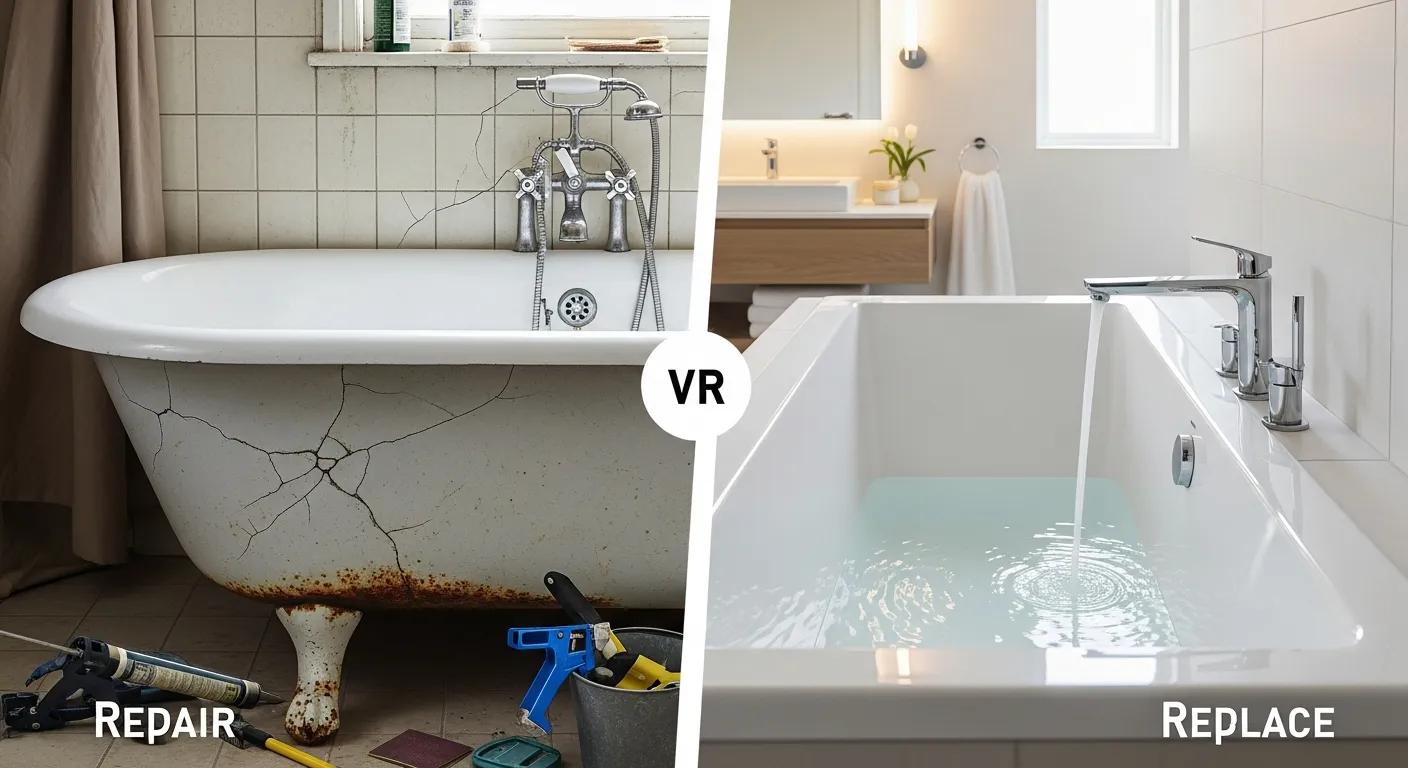
Can a Plumber Fix Bathtub Damage—or Is Replacement Required?
Repair or Replace Your Bathtub?
Bathtub damage is common and usually requires choosing between repair and replacement. According to the National Kitchen & Bath Association, approximately 30% of homeowners face bathroom fixture repairs annually, with bathtubs being a frequent concern. Understanding typical damage types, causes, and professional repair methods helps homeowners decide. This article summarizes common issues, repair options, when replacement is advisable, basic maintenance, and typical costs so you can make an informed choice.
How Can You Identify Different Types of Bathtub Damage?
Inspect your tub for visible cracks, chips, stains, poor drainage, or slow drains. Early checks prevent water intrusion, mold, and more extensive structural problems. The Environmental Protection Agency (EPA) notes that water damage from leaks can increase mold growth risk by up to 50%, emphasizing the importance of early detection. Additionally, subtle signs such as a musty odor, peeling paint around the tub area, or warped flooring nearby can also indicate hidden damage that requires attention.
What Are Common Bathtub Damage Types Like Cracks, Chips, and Leaks?
Bathtub damage appears in several forms, including:
Cracks: Can result from impact or stress and may leak. Studies show that acrylic tubs are more prone to cracking under stress compared to cast iron. Cracks can vary from hairline fractures to larger splits that compromise the tub’s integrity.
Chips: Surface pieces break off from dropped objects, often caused by heavy or sharp items. While mostly cosmetic, chips can expose underlying material to moisture, accelerating deterioration.
Leaks: Often from cracks or bad seals; can cause surrounding water damage. The American Society of Home Inspectors reports that leaks behind bathtubs are a leading cause of hidden water damage in homes. Leaks may also originate from faulty plumbing connections or worn-out caulking.
Discoloration: Stains from hard water or cleaners that affect appearance. Hard water can leave mineral deposits that are difficult to remove without proper treatment. Persistent discoloration may also indicate mold or mildew growth beneath the surface.
Poor Drainage: Indicates clogs or plumbing issues, which can lead to standing water and increased wear. Slow drainage can also cause unpleasant odors and increase the risk of bacterial growth.
Addressing these early protects the tub and surrounding areas. Regular monitoring and prompt action can prevent minor issues from escalating into costly repairs or replacements.
What Causes Bathtub Damage and How Does It Affect Repair Options?
Common causes include clogged drains, improper installation, and age-related wear. According to a 2022 survey by HomeAdvisor, 40% of bathtub repairs are due to improper installation or maintenance. Other factors such as heavy usage, exposure to harsh chemicals, and environmental conditions like humidity also contribute to damage. The cause matters: superficial stains or small chips can be repaired, while extensive structural cracks often require replacement. Understanding the root cause helps professionals recommend the most effective and durable repair method.
What Are the Professional Bathtub Repair Methods Available?
Professionals use targeted methods based on severity:
Crack and Chip Repair: Fillers and refinishing to restore the surface. According to industry experts, professional refinishing can extend a tub’s life by up to 10 years. Techniques include epoxy resin application, sanding, and polishing to blend repairs seamlessly with the original finish.
Leak Fixing: Locate and seal leaks with epoxy or similar materials. Proper sealing reduces water damage risk by over 70% compared to temporary fixes. In some cases, plumbers may replace damaged pipes or seals to ensure long-term leak prevention.
Drain Cleaning: Clear obstructions to prevent pooling and damage. Regular drain maintenance can reduce clog-related repairs by 60%. Methods include snaking, hydro-jetting, and chemical treatments tailored to the clog type.
Licensed technicians can deliver longer-lasting results than temporary DIY fixes. They also ensure compliance with local plumbing codes and safety standards, providing peace of mind.
How Does Bathtub Crack Repair and Tub Resurfacing Work?
Crack repair typically involves cleaning, filling, sanding, and refinishing the affected area. Resurfacing adds a new finish across the entire tub to restore appearance and seal minor flaws, extending usable life without full replacement. The International Association of Certified Home Inspectors (InterNACHI) recommends resurfacing as a cost-effective alternative to replacement when damage is cosmetic or minor. Resurfacing materials include acrylic, epoxy, or urethane coatings that bond to the tub surface, providing a durable and glossy finish. The process usually takes a few hours to a day, depending on the tub size and damage extent.
When Is Emergency Bathtub Leak Detection and Repair Necessary?

Emergency service is required when leaks pose immediate risk. Seek urgent help for water pooling around the tub, sudden spikes in water bills, or visible mold and mildew. Quick action limits structural damage and costly follow-up repairs. The Insurance Information Institute estimates that water damage claims average $10,000 per incident, highlighting the importance of timely repairs. Additionally, emergency repairs can prevent electrical hazards caused by water exposure near outlets or fixtures.
When Should You Consider Bathtub Replacement Instead of Repair?
Replacement is usually considered when damage affects structural integrity, repair costs are repeatedly high, or the tub no longer meets functional or aesthetic needs. According to Remodeling Magazine’s 2023 Cost vs. Value report, bathroom remodels, including tub replacement, recoup approximately 65% of their cost at resale. Evaluate the extent of damage, budget, and long-term goals before deciding. Other reasons for replacement include outdated styles, desire for upgraded features like whirlpool jets, or switching to more eco-friendly materials.
Law Plumbing Services provides expert assessment to determine whether repair or replacement best suits your home.
What Factors Determine the Need for Bathtub Replacement?
Key factors include visible structural cracks or ongoing leaks, the tub's age, and whether repair costs approach the price of a new unit. A professional inspection clarifies the most practical option. The average lifespan of a bathtub varies by material: cast iron tubs last 50+ years, while acrylic tubs typically last 10-15 years. Fiberglass tubs generally have a lifespan of 10-20 years. Frequent repairs or persistent issues often indicate replacement is more cost-effective in the long run.
How Do Repair Costs Compare to Replacement Expenses in the Mid-Ohio Valley?
Typical repair costs range from $100 to $500 depending on damage. Replacement with installation commonly ranges from $1,000 to $3,000 or more, depending on materials and scope. According to HomeAdvisor, the national average for bathtub replacement is $2,500, with variations based on location and tub type. Additional costs may include disposal fees for the old tub, plumbing modifications, and bathroom remodeling if needed.
Service TypeAverage CostDescriptionBathtub Repair$100 - $500Includes crack filling, chip repair, and leak sealing.Bathtub Replacement$1,000 - $3,000Cost includes the price of the bathtub and installation fees.Emergency Plumbing$150 - $600Costs for urgent repairs, including leak detection and immediate fixes.
Compare short-term repair savings against long-term value when budgeting for plumbing work. Investing in quality repairs or replacement can prevent repeated expenses and improve home value.
How Can Regular Bathroom Plumbing Maintenance Prevent Bathtub Damage?

Routine maintenance reduces risk and costs by catching issues early, extending fixture life, and avoiding emergency repairs. The Plumbing Manufacturers International reports that regular maintenance can reduce plumbing failures by up to 30% annually. Maintenance also helps maintain water quality and prevents buildup of harmful bacteria or mold in plumbing systems.
Cost Savings: Preventive checks lower major repair expenses by addressing minor issues promptly.
Early Problem Detection: Inspections spot leaks or wear before escalation, minimizing damage.
Extended Equipment Life: Proper care prolongs fixtures, including tubs, faucets, and drains.
Investing in periodic maintenance protects both the tub and surrounding structure, preserving your bathroom’s functionality and appearance.
What Are Best Practices for Maintaining Bathtubs and Plumbing Systems?
Follow simple practices:
Regular Inspections: Check for wear, leaks, or clogs at least twice a year, especially in older homes.
Prompt Repairs: Fix issues quickly to prevent escalation and secondary damage.
Proper Cleaning: Use non-abrasive cleaners to protect finishes and avoid harsh chemicals that can degrade materials.
Water Quality Management: Install water softeners if hard water is an issue to reduce mineral buildup and staining.
Ventilation: Ensure proper bathroom ventilation to reduce humidity and prevent mold growth.
These steps help preserve the tub and plumbing system, maintaining a safe and pleasant bathroom environment.
How Does Timely Plumbing Service Enhance Bathtub Longevity?
Timely service prevents small problems from becoming major repairs. Routine maintenance and prompt fixes keep tubs functional and attractive, saving time and money over the long term. Addressing issues early also helps maintain warranty coverage and home insurance compliance.
For emergency plumbing, reliable service is crucial. To maintain your system, consider scheduling plumbing repair and installations, regular drain cleaning, and, when needed, gas line repair or sewer line repair and installation. For any plumbing need, Law Plumbing Services provides comprehensive solutions.
Frequently Asked Questions
What are the signs that indicate a bathtub needs repair?
Look for cracks, chips, stains, water pooling, higher water bills, or mold—any of these warrant inspection and likely repair. Additionally, unusual noises during drainage or persistent odors can signal underlying problems.
How can I prevent bathtub damage from occurring?
Prevent damage with regular inspections, prompt fixes, non-abrasive cleaners, and avoiding heavy impacts. Also, maintain proper ventilation and water quality to reduce wear and staining.
What should I do if I notice a leak in my bathtub?
Turn off the supply if possible and contact a professional plumber promptly to locate and repair the leak to avoid structural and mold damage. Avoid using the tub until repairs are made to prevent further water intrusion.
Are there DIY methods for bathtub repair?
Minor chips or small cracks can be fixed with retail kits, but significant cracks, leaks, or structural issues require professional repair to ensure durability. DIY repairs may be temporary and could void warranties.
How long does a bathtub repair typically last?
Longevity depends on damage severity and repair quality; professional repairs and resurfacing can last several years, especially with proper maintenance. Regular upkeep can extend repair life significantly.
What are the environmental impacts of bathtub replacement?
Replacement can create waste unless the old tub is recycled; choosing recyclable materials and efficient fixtures reduces environmental impact. Some manufacturers offer take-back programs or use sustainable materials to minimize footprint.
How can I choose the right bathtub for my needs?
Consider size, style, material (acrylic, cast iron, fiberglass), durability, and maintenance needs; consult a professional to match the tub to your space and budget. Also, factor in water efficiency, comfort features, and compatibility with existing plumbing.
