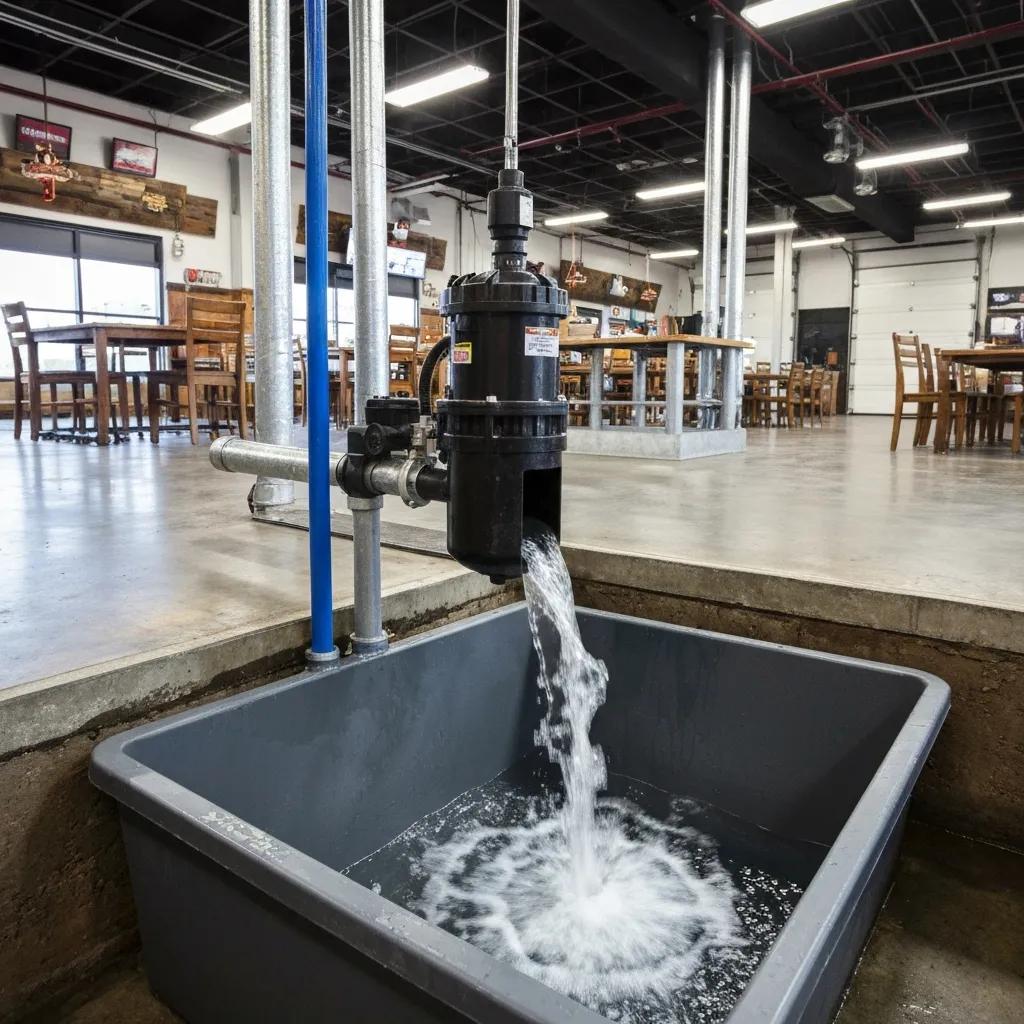
Best Commercial Sump Pump Options for Your Business
Commercial Sump Pump Options for Your Business — Choosing, Installing, and Maintaining Reliable Flood Protection
Commercial sump pumps are a core part of a building’s drainage strategy. They sense rising water in a sump basin and activate an impeller and motor to move groundwater or wastewater through a discharge line to an approved outlet. When specified and installed correctly, these systems limit downtime, protect inventory and equipment, and cut the risk of costly repairs after heavy rain or plumbing failures. This guide lays out the most common commercial pump types, how to size and install heavy‑duty units, typical cost drivers, and maintenance practices that extend service life and reduce emergency calls. You’ll find comparison tables, decision checklists, maintenance schedules, and installation best practices aimed at warehouses, restaurants, and other commercial properties — with local considerations for the Mid‑Ohio Valley and instructions on arranging on‑site estimates or emergency response. Throughout, practical terms such as commercial sump pump options, submersible commercial sump pump, battery backup sump pump for business, and commercial sump pump maintenance are used in actionable, easy‑to‑follow advice.
What Are the Top Commercial Sump Pump Types for Businesses?
Commercial sites rely on a few standard pump types to match expected inflow, solids load, and redundancy needs. Choice is driven by required GPM, total head, and access for service. Submersible commercial sump pumps sit in the basin and deliver high flow and continuous duty with an enclosed motor. Pedestal pumps keep the motor above the basin for easier servicing at lower flow rates. Battery backup units provide failover during power outages where business continuity is critical. Sewage ejectors are used for wastewater and solids where gravity drainage isn’t available. Selecting the correct type reduces downtime, aligns duty cycle with inflow, and helps meet local discharge and code requirements.
Each pump type fills a different role in flood prevention; the right pick depends on inflow rate, head, solids, and service access.
Pump TypeTypical HP / GPMProsConsSubmersible sump pump1–5 HP / 50–500 GPMHigh flow, quiet in operation, enclosed motor suited for wet dutyMore difficult to service in place; requires a larger basinPedestal sump pump1/3–2 HP / 20–150 GPMEasy access for inspection and repair, lower upfront costExposed motor can be affected by humidity; lower maximum flowBattery backup sump pumpN/A (backup units sized to primary)Provides operation during power loss to preserve continuityLimited runtime without recharge; additional maintenance requiredSewage ejector pump1–3 HP / solids-handling GPMHandles solids and waste; necessary for fixtures below sewer lineMust meet sanitary codes; heavier construction and higher cost
How Do Submersible and Pedestal Commercial Sump Pumps Compare?
Submersible pumps house the motor and impeller below the waterline inside the basin. That placement improves cooling, reduces noise, and supports higher continuous duty and larger GPM — a common need in warehouses or storm‑prone basements. Pedestal pumps keep the motor above the basin so inspections and repairs are straightforward, making them a practical choice for utility rooms with limited basin work. Pedestal units are best where flows are lower and solid handling is minimal. Knowing these construction and performance differences helps determine when to add battery backups or sewage ejectors for redundancy and waste handling.
What Are the Benefits of Battery Backup and Sewage Ejector Pumps for Commercial Use?
Battery backup systems give you a secondary power source that kicks in if building power fails — critical for businesses that can’t afford even short interruptions. Monthly testing and routine battery care keep the system reliable. For restaurants, data centers, and ground‑floor retail, backup power often prevents inventory loss and costly operational downtime; adding alarms or remote monitoring speeds response when problems arise.
Sewage ejector pumps move wastewater and solids from fixtures below the main sewer line. They’re essential in multi‑level buildings, restaurants, and certain processing facilities where gravity flow won’t work. Choosing the right ejector means checking local sanitary codes, confirming solids‑handling capacity, and ensuring proper seals to avoid odors and contamination. Pairing ejectors with redundant pumps increases reliability during peak loads.
At Law Plumbing Services we combine installation experience with pump selection so systems perform as intended in commercial settings. Our team installs and repairs these pump types, coordinates layouts, and helps facility managers pick equipment that meets inflow and head requirements. As a local provider across the Mid‑Ohio Valley, we focus on clear estimates and code‑compliant installs to keep your business running and reduce flood risk. If you need on‑site sizing or a system plan, a licensed contractor can verify calculations and recommend the right configuration.
How Much Does Commercial Sump Pump Installation Cost and What Affects Pricing?
Installed costs vary widely — from a straightforward pump replacement to a full system install with basin excavation, electrical upgrades, and redundancy. Typical commercial systems commonly range into several thousand dollars and increase for heavy‑duty or multi‑pump setups. Major cost drivers include pump model and horsepower, basin excavation or replacement, required electrical work (dedicated circuits, GFCI, battery charging), and permits or inspections. Complex discharge routing, solids‑handling needs, dual‑pump redundancy, and tight site access also raise labor and material costs. For accurate budgeting, request an on‑site estimate that itemizes labor, materials, and permitting so you can compare options and weigh ROI in avoided downtime or insurance claims.
These common cost components determine the final price and affect long‑term ROI for commercial installations.
Cost ComponentWhat It CoversTypical Impact on PricePump equipmentPump motor, controls, float switches, alarmsHigh — premium or high‑capacity pumps significantly raise costBasin & site prepExcavation, basin replacement, concrete workMedium — invasive basin work increases labor and materialsElectrical & backupDedicated circuit, charging systems, transfer switchesMedium to High — needed for battery backups and code compliancePermits & inspectionsLocal permits, code updates, inspectionsLow to Medium — varies by jurisdiction and facility type
What Factors Influence Commercial Sump Pump Installation Costs?
Site complexity is a major cost factor: confined basins, deep excavation, heavy concrete, or limited equipment access lengthen labor time. Pump capacity (HP and GPM) affects equipment price, and stainless or cast‑iron construction for corrosive conditions raises material costs. Electrical work — dedicated circuits, transfer switches, or extra alarm wiring — adds components and labor and can prompt higher permit fees. Routing discharge lines to municipal systems or installing freeze‑protected aboveground runs requires additional materials and coordination with authorities, which increases the estimate.
How Can Businesses Maximize ROI on Commercial Sump Pump Investments?
You improve total cost of ownership by right‑sizing pumps to avoid short‑cycling, choosing durable materials that resist corrosion, and investing in redundancy like dual pumps or battery backups to prevent downtime. Preventative maintenance and remote monitoring cut emergency repairs and extend service life, so a higher initial investment often pays back through reduced interruptions. Energy‑efficient motors and variable‑speed controls can lower operating costs. Finally, documenting installation and maintenance supports insurance claims and shows due diligence after an event.
If you need a detailed estimate or a rapid replacement under emergency conditions, Law Plumbing Services provides on‑site assessments and custom quotes. We offer 24/7 emergency availability for urgent pump replacement and mitigation. Our local crews in the Mid‑Ohio Valley can review basin condition, electrical readiness, and discharge routing to deliver an itemized proposal that balances upfront cost with long‑term reliability. For time‑sensitive situations where downtime matters, schedule an emergency service call to secure temporary mitigation and prioritize permanent repair planning.
What Are the Essential Maintenance Practices for Commercial Sump Pumps?
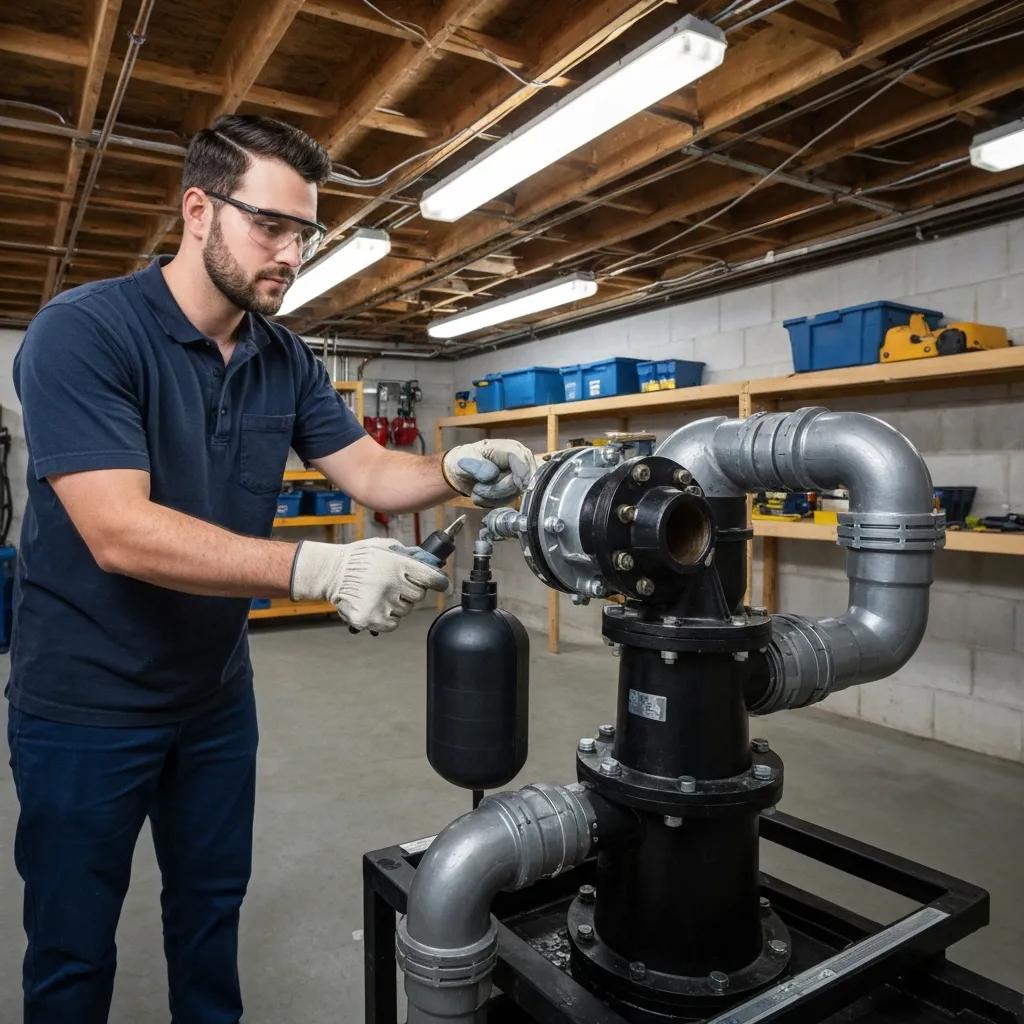
Maintenance should be predictable and proactive: scheduled inspections, functional testing, and replacement of wear parts before failure. A good program checks float switches and alarms, inspects check valves and discharge piping for blockages, exercises pumps under load to confirm capacity, and tests battery backups monthly with scheduled battery replacement. Proactive servicing prevents common failures — motor burnout, clogged intakes, and stuck floats — and helps meet insurance and code requirements. The table below summarizes recommended tasks, frequency, responsible party, and the expected impact on reliability.
Maintenance TaskFrequencyWho Should PerformExpected ImpactVisual inspection & alarm testMonthlyIn‑house facilities staffEarly detection of leaks or faulty alarmsFull operational test (exercise pump)QuarterlyTrained technicianVerifies flow, head, and switch performanceBattery backup inspection & load testMonthlyTechnician or trained staffEnsures backup runtime during outagesBasin cleaning & intake clearingAnnually or as neededTrained technicianPrevents clogging and reduces motor strain
Following this schedule reduces emergency failures and extends the life of commercial sump equipment.
How Often Should Commercial Sump Pumps Be Inspected and Serviced?
Inspection frequency should match facility risk. High‑risk locations — restaurants or ground‑floor retail near water sources — need monthly checks. Lower‑risk industrial sites may operate on a quarterly schedule with annual professional service. Monthly tasks include a visual basin check, an alarm test, and clearing visible debris. Quarterly or semiannual service exercises the pump under load, checks float travel, verifies the check valve, and inspects electrical connections. Annual professional service should include multimeter checks, motor and bearing inspection, battery replacement planning, and a simulated peak inflow test. Sticking to these intervals reduces surprises and provides records useful for insurance and compliance.
What Are Common Commercial Sump Pump Issues and How Are They Troubleshot?
Typical problems are stuck or fouled floats, clogged intake screens, burned or seized motors, and blocked discharge lines. Symptoms include continuous running, no‑start, or reduced flow. Safe in‑house troubleshooting steps are: verify power, check alarms, clear obvious debris from the basin, and inspect the float for obstruction. Leave electrical diagnostics and motor repairs to licensed technicians. For a clogged discharge, isolate and clear the line following safety procedures. If a motor smells burned or won’t turn, cut power and call professional service. Repeated cycling, electrical faults, or impeller damage all warrant emergency service to prevent flooding.
If your staff reach the limits of safe troubleshooting, call a licensed commercial plumbing contractor to diagnose and repair electrical and mechanical failures promptly and safely.
How to Choose the Right Heavy Duty Sump Pump for Your Business Needs?
Choosing the right heavy‑duty pump means matching expected inflow (GPM), required head, duty cycle, solids‑handling needs, and environmental exposure to the pump’s specifications. Start by estimating peak inflow from stormwater, sewer backflow, or process discharges and calculate the head to the discharge outlet. Select a pump rated above expected peak GPM with an HP that supports continuous duty. Favor cast iron or stainless components in corrosive environments, and pick switch types (float, column, or electronic) that suit basin geometry and maintenance preferences. Add alarms, remote monitoring, and battery or generator backup when business continuity is essential.
Focus selection on mechanical capacity, durability, and monitoring to protect operations and assets.
Match GPM and head: Choose a pump with capacity above peak inflow to avoid short‑cycling.
Duty cycle rating: Use commercial‑rated motors built for frequent starts and continuous operation.
Materials and solids‑handling: Select cast iron or stainless housings and impeller designs suited to debris levels.
What Key Features Should Businesses Look for in Commercial Sump Pumps?
Look for horsepower and flow curves that meet peak demand, solids‑handling capability sized to expected debris, and durable materials like cast iron or stainless for longevity. Reliable switch mechanisms reduce false starts. Warranties and manufacturer support matter for capital equipment, and integrated alarms or telemetry that tie into building management systems provide useful remote alerts. If noise is a concern, submersible models with sound dampening are preferable. If quick serviceability is a priority, consider pedestal designs or pumps with replaceable cartridge assemblies. Clear performance curves and documented duty ratings make on‑site validation easier.
How Do Local Conditions and Building Codes Affect Commercial Sump Pump Selection?
Regional weather, groundwater levels, and seasonal changes set baseline capacity needs and influence whether redundancy or larger basins are appropriate for storm surges. Local codes and stormwater regulations in the Mid‑Ohio Valley (Belpre, OH; Parkersburg, WV) may dictate discharge points, backflow prevention, backwater valves, or permit requirements that shape routing and pump choice. Insurance policies may require documented redundancy or alarms for certain occupancies, increasing the need for battery backup or dual pumps. Working with a licensed local contractor ensures your equipment meets code, permit, and insurance expectations and avoids costly rework after installation.
What Are the Best Installation Practices for Commercial Sump Pumps?
Start with a full site assessment to measure inflow sources, required head, basin condition, and discharge routing. Size the basin correctly and place pumps to avoid air entrainment or excessive suction lift. Install a dedicated electrical circuit with correct breaker sizing and GFCI protection where required, and wire battery backup charging safely. Use check valves and accessible isolation valves to simplify maintenance. Route discharge piping to approved storm or sewer outlets per local code and provide freeze protection for exterior runs. For redundant pumps, use alternating controls or a lead‑lag panel to balance runtime. Finally, document the installation with as‑built drawings and operation procedures so facility teams can perform routine checks and respond to alarms quickly.
Conduct a full site assessment: Measure inflow, head, and identify discharge routes before specifying equipment.
Install dedicated electrical and backup systems: Use correct breakers, wiring, and battery integration for reliability.
Use check valves and accessible isolation points: Make maintenance safer and prevent backflow.
These steps help ensure installations are durable, maintainable, and code‑compliant.
How Is Proper Sizing and Location Determined for Commercial Sump Pumps?
Proper sizing begins with measuring or estimating peak inflow in GPM and calculating total dynamic head from vertical lift and friction losses in discharge piping. Choose a pump whose performance curve delivers the required GPM at that head to avoid overloads and short‑cycling. Locate pumps at the lowest consistent collection point while preserving service access and avoiding interference with sensitive equipment. Size basins to accommodate run times and expected inflow without rapid cycling. Allow space for a second pump and control panel if redundancy is planned, and provide separation for battery or generator transfer equipment. A site inspection confirms assumptions and finalizes discharge routing plans.
What Are the Electrical and Discharge Requirements for Commercial Installations?
Electrical work generally requires a dedicated circuit sized for the pump motor, correct overcurrent protection, and compliance with local electrical codes for grounding and GFCI where mandated. Battery backup systems need charger circuits and safe battery enclosures. Discharge piping must meet code for materials and slope, include a properly sized check valve to stop backflow, and tie into approved storm or sewer connections with any required backflow prevention. Provide freeze protection for aboveground runs, cleanouts, and accessible valves for maintenance. Coordinate with licensed electricians and local authorities to ensure a permit‑ready installation and avoid delays or rework.
How Can Law Plumbing Services Support Your Commercial Sump Pump Needs in the Mid-Ohio Valley?
Law Plumbing Services provides commercial sump pump installation, repair, and maintenance across the Mid‑Ohio Valley, serving Belpre, OH and Parkersburg, WV with licensed crews and local knowledge. Our services include system design and on‑site assessments, full installations with electrical coordination, battery backup integration, and recurring preventative maintenance plans to reduce emergency failures. We prioritize clear, itemized estimates, honest workmanship, and trained personnel who handle submersible, pedestal, battery backup, and sewage ejector systems for commercial clients. For businesses that need dependable support, we offer 24/7 emergency response and can prioritize mitigation to limit downtime while arranging permanent, code‑compliant repairs and upgrades.
What Emergency and 24/7 Services Are Available for Commercial Sump Pumps?
Emergency services include immediate on‑site assessment, temporary mitigation to stop active flooding, emergency pump replacement or bypass pumping, and prioritized scheduling for permanent repairs or upgrades. Our response begins with rapid triage to stop water intrusion, followed by an assessment of basin, pump, electrical, and discharge components to determine short‑term fixes and long‑term remediation. For businesses facing critical asset exposure or shutdown risk, 24/7 response focuses on minimizing inventory loss and returning systems to functional status while preserving documentation for insurance claims. When you call for emergency service, have site access details and a summary of symptoms ready to speed response.
Why Choose Law Plumbing Services for Commercial Sump Pump Installation and Repair?
Law Plumbing Services blends local licensing in Ohio and West Virginia with commercial plumbing experience and straightforward pricing so businesses can plan capital repairs without surprises. Our technicians work directly with facility managers to match pump selection and installation to local codes and each site’s risk profile, and we document work for insurance and compliance. Our 24/7 availability, community focus, and full suite of services — installation, repair, preventative maintenance, and emergency mitigation — give businesses one trusted partner for flood prevention. To request an on‑site quote, schedule preventative maintenance, or arrange emergency assistance, contact Law Plumbing Services and ask for a commercial assessment tailored to your property and continuity needs.
Frequently Asked Questions
1. What is the average lifespan of a commercial sump pump?
Commercial sump pumps generally last between 5 and 15 years. Lifespan depends on usage, maintenance habits, and pump quality. Regular inspections and timely repairs extend life, and choosing a commercial‑grade pump helps as well. Replace pumps that show wear or declining performance to avoid unexpected failures and flooding.
2. How can businesses ensure their sump pump is compliant with local regulations?
Work with a licensed plumbing contractor familiar with regional codes and permit requirements. Compliance includes correct discharge routing, backflow prevention, and any necessary permits for installation. Regular inspections and documented maintenance also help demonstrate compliance to local authorities and insurers.
3. What are the signs that a commercial sump pump needs repair or replacement?
Warning signs include unusual noises, frequent on/off cycling, reduced flow, visible leaks, or failure to activate during heavy rain. Standing water in the sump basin is a clear indicator. Routine monitoring and maintenance catch issues early so you can schedule repairs before a flood occurs.
4. Can sump pumps be installed in existing buildings, and what challenges might arise?
Yes. Retrofit installations can be done but may present challenges like limited access, basin excavation, and electrical upgrades. Careful planning ensures proper drainage and code compliance. A professional assessment identifies structural or plumbing constraints and plans the safest, most effective installation.
5. What maintenance tasks should be prioritized for commercial sump pumps?
Prioritize visual inspections, alarm and float switch tests, and basin cleaning to prevent clogs. Monthly battery checks and quarterly operational tests are important. Schedule annual professional maintenance to inspect electrical connections and perform full system testing. Proactive care reduces emergency repairs and extends equipment life.
6. How do seasonal changes affect sump pump performance?
Seasonal shifts — heavy spring rain or rapid snowmelt — increase groundwater and inflow rates, so pumps must handle peak demand. Freezing temperatures can affect discharge lines and create blockages. Prepare for seasonal variation by confirming pump sizing, maintaining discharge routes, and considering backup systems for surge events.
7. What should businesses do in case of a sump pump failure during a flood event?
If a sump pump fails during a flood, call a licensed plumbing contractor immediately for emergency help. If it’s safe, use buckets or a wet vacuum for temporary water removal until pros arrive. Document the event for insurance and shut off power if electrical equipment is compromised. After the incident, arrange a full inspection and repairs to prevent repeat failures.
