Law Plumbing | Plumbing repair and installations
Expert Plumbing Repair and Installations in Parkersburg WV by Law Plumbing Services
Local plumbers serving Parkersburg WV and the Mid-Ohio Valley deliver fast, practical plumbing repair and professional installations for homes and businesses facing urgent failures or planning system upgrades. This guide explains common plumbing emergencies, drain clearing strategies including hydro jetting, water heater options and maintenance, sewer inspection and trenchless repair, and fixture repair or replacement so you can make informed decisions about repairs and preventative care. Many homeowners and property managers struggle with recurring clogs, undetected leaks, or aging water heaters that waste energy and cause surprise failures, and this article outlines clear symptoms, diagnostic steps, and professional remedies to reduce downtime and long-term costs. Read on to learn how to triage urgent problems, what to expect from camera inspections and trenchless solutions, how tankless and conventional water heaters compare, and practical tips for fixture repair and installation that preserve plumbing system health. Structured for Parkersburg WV residents, the piece weaves local considerations and practical tips with the service processes that lead to reliable outcomes so you can act quickly and confidently when issues arise. According to the Insurance Information Institute, water damage and freezing pipes are among the most common homeowners insurance claims, accounting for nearly 20% of all claims, underscoring the critical need for reliable plumbing services.
What Emergency Plumbing Services Does Law Plumbing Offer in Parkersburg WV?
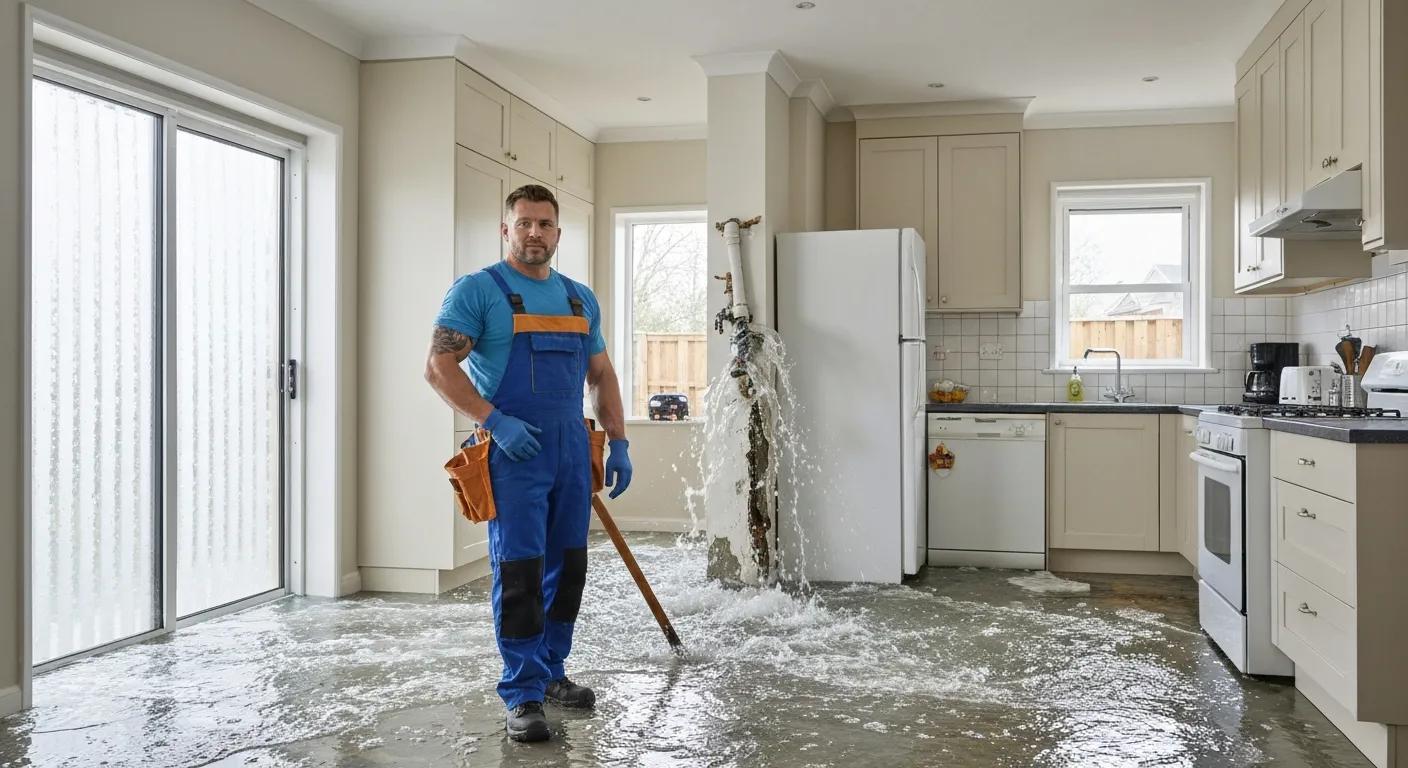
Emergency plumbing covers immediate interventions that stop active water damage, restore safety, and stabilize systems until permanent repairs are completed. Emergency services work by isolating the failure, stopping water flow, preventing electrical hazards, and applying temporary stabilization so technicians can plan definitive repair work. Rapid response matters because water intrusion accelerates structural damage, mold growth, and utility disruptions, so knowing which events qualify as emergencies helps prioritize calls and limit harm. The average cost of a water damage claim is over $11,000, highlighting the critical importance of rapid emergency response. Below is a concise list of typical emergency scenarios and a short set of homeowner triage steps to use until professional help arrives.
Common emergency plumbing scenarios include:
Burst or visibly broken pipes: sudden, high-volume leaks that flood areas quickly.
Major leaks under sinks or behind walls: continuous dripping that soaks structures.
Sewer backups and overflow: waste water rising into fixtures or drains.
No water after major line failure or sudden loss of hot water: indicating supply interruption.
These emergency types guide immediate homeowner actions and inform the dispatch priority when an experienced technician is en route.
Immediate homeowner steps to reduce damage:
Shut off the main water valve to stop flow and limit flooding.
Turn off nearby electrical circuits if water is contacting outlets or appliances.
Contain and absorb standing water using towels, buckets, or pumps.
Document damage for insurance by taking photos and notes.
Following these steps reduces damage and provides clear information for the responding technician, which speeds diagnosis and repair planning.
Law Plumbing Services maintains an emergency-response approach focused on rapid dispatch, experienced technicians, and practical stabilization techniques to protect homes and businesses in Parkersburg and the Mid-Ohio Valley. Their local presence and 24/7 priority handling mean a trained crew can arrive quickly to stop leaks, perform temporary containment, and recommend next steps tailored to your property. If you encounter an urgent plumbing failure, contact Law Plumbing Services to request immediate assistance and on-site stabilization from technicians familiar with local building systems and common regional failure modes.
How Does Law Plumbing Handle Burst Pipe and Leak Emergencies?
A burst pipe response begins with containment, safety checks, and temporary isolation before full repairs are scheduled, which minimizes ongoing water intrusion and collateral damage. Technicians first confirm shutoffs and assess electrical risks, then use leak detection tools, pipe clamps, or collars to stop or slow flow while protecting finishes and structural elements. Within minutes, water can spread, saturating walls and floors; within 24-48 hours, mold can begin to grow, underscoring the need for immediate professional intervention. After stabilization, crews perform diagnostics—camera inspection when needed or pressure testing—to locate the failure precisely and recommend repair options such as targeted section replacement or repiping. Repair timelines vary with scope, but immediate stabilization followed by a clear repair plan reduces secondary damage and speeds restoration.
Technicians document the condition and explain options, prioritizing less-disruptive repairs when feasible and discussing mitigation like drying and mold-prevention to protect occupied spaces. This staged approach—safety, stabilization, diagnostic, permanent repair—keeps homeowners informed and prevents rushed fixes that lead to recurring problems. The focus on clear communication and durable techniques helps restore normal use quickly while preserving long-term system reliability.
When Should You Call a 24/7 Emergency Plumber in Parkersburg WV?
Call a 24/7 emergency plumber for any situation where water is actively flooding spaces, sewage is backing up into fixtures, or when there is an immediate risk to electrical systems or building structure. Delaying professional help during major leaks or sewer backups increases the chances of mold growth, structural weakening, and rising restoration costs, so urgent response preserves property value and occupant health. The Environmental Protection Agency (EPA) estimates that household leaks can waste more than 1 trillion gallons of water annually nationwide, making prompt repair not just about damage control but also resource conservation. If you notice rapidly rising water, persistent loss of service across multiple fixtures, or water contacting electrical outlets, treat the situation as an emergency and arrange immediate assistance.
For less acute but concerning signs—like small but steady leaks behind walls, unexplained increases in water bills, or repeated shutting off of pressure relief devices—schedule prompt diagnostic service to prevent escalation into an after-hours emergency. Early intervention often costs less and avoids the disruption of full-scale emergency repairs.
How Can Law Plumbing Solve Your Drain Cleaning Problems in Parkersburg WV?

Drain cleaning addresses clogs and buildups that hinder fixture performance and can lead to backups or sewer issues; professional cleaning restores flow and reveals underlying pipe conditions. The process begins with diagnosis—identifying whether a single fixture, multiple fixtures, or the main sewer is affected—and then selecting an appropriate cleaning method that clears blockages without harming pipes. Studies show that grease, hair, and soap scum are responsible for over 75% of residential drain blockages. Proper professional cleaning prevents recurring clogs, reduces odor, and extends the life of the drain system while avoiding the hidden risks of repeated chemical use. Below are clear signs that professional drain cleaning is needed, followed by the methods commonly used and why hydro jetting is often the preferred solution for stubborn, grease- or root-related blockages.
Signs you need professional drain cleaning:
Slow drainage across multiple fixtures suggesting a shared line obstruction.
Recurring clogs after DIY attempts that indicate deeper buildup.
Foul sewage odors from drains pointing to trapped debris and biofilm.
Gurgling noises or backups when appliances run implying sewer or vent issues.
These symptoms help prioritize inspection and determine whether local snaking or more thorough cleaning is necessary.
Drain cleaning methods and when they are used:
Plumbing snake/auger: mechanical clearing for localized clogs near fixtures.
Motorized augers/trash pumps: deeper mechanical reach for stubborn blockages.
Hydro jetting: high-pressure water cleaning to remove grease, scale, and root intrusion.
Hydro jetting is effective because it strips interior pipe surfaces, removing the sticky residue that leads to re-clogging; unlike chemical cleaners, it preserves pipe materials when performed by trained operators and reduces the chance of recurrence. Hydro jetting, a method endorsed by plumbing professionals, can clear blockages up to 100 feet away and is proven to be 99% effective in removing stubborn buildup. Professional technicians choose the correct nozzle pressure, inspect downstream conditions, and follow with camera verification to ensure the line is clear.
As part of its drain service, Law Plumbing Services uses trained technicians and appropriate mechanical and hydro-jet equipment to diagnose and clear clogs safely, emphasizing transparent explanations of the chosen method and outcomes. Customers receive a clear summary of the problem, the recommended cleaning approach, and follow-up tips to reduce grease and hair buildup so drains remain functional longer.
What Are the Signs You Need Professional Drain Cleaning?
Professional drain cleaning is indicated when slow flow, recurring clogs, or multiple affected fixtures point to buildup in shared lines rather than a single trap. Slow sink or tub drainage that improves briefly after plunging but returns quickly often means grease, scale, or root intrusion is adhering to pipe walls and requires mechanical or hydro-jet cleaning. Recurring issues after chemical treatments suggest deeper deposits that household chemicals cannot remove safely or effectively. While DIY solutions might offer temporary relief, professional drain cleaning is often necessary because household chemicals can corrode pipes over time, and plungers only address surface-level clogs, leaving deeper issues unresolved. Multiple affected drains, foul odors, or backups when running appliances are higher-risk signs that warrant camera inspection to locate the blockage and plan the correct remediation.
Prompt professional cleaning saves money over time by preventing repeated service calls and by identifying damaged pipe sections early, enabling targeted repair before complete failure occurs.
What Drain Cleaning Methods Does Law Plumbing Use, Including Hydro Jetting?
Technicians deploy a graduated set of methods beginning with inspection and snaking, escalating to motorized augers or hydro jetting when surface techniques prove insufficient. Snaking is fast and effective for hair and localized obstructions near fixtures, while motorized augers clear deeper blockages by mechanically breaking through dense clogs. Hydro jetting uses high-pressure water to scour the entire pipe interior, removing grease, scale, and even young root growth without relying on corrosive chemicals. Unlike traditional snaking, which punches a hole through a clog, hydro jetting thoroughly cleans the entire pipe diameter, reducing the likelihood of future blockages by up to 80%. Each method is selected based on pipe material, age, and the obstruction’s nature; post-cleaning camera inspection verifies results and informs maintenance recommendations.
Hydro jetting provides thorough cleaning and reduces the rate of recurrence, while inspection-driven selection minimizes risk to older or fragile pipes and ensures the most cost-effective and durable outcome.
What Water Heater Installation and Repair Services Are Available from Law Plumbing in Parkersburg WV?
Water heater services span diagnostic repair, parts replacement, installation of new units, and routine maintenance to preserve efficiency and reliability for domestic hot water and commercial needs. Technicians evaluate symptoms like fluctuating temperatures, leaks, or pressure issues to determine whether a simple repair, anode rod replacement, element swap, or full unit replacement is required. Water heating accounts for about 18% of the average utility bill, making efficient operation and proper maintenance crucial for cost savings, according to the U.S. Department of Energy. Proper installation follows local codes and optimizes venting, combustion air, or electrical supply depending on the unit type, while routine maintenance such as flushing reduces sediment and extends service life. A key fact often overlooked is that the sacrificial anode rod inside a conventional water heater prevents tank corrosion and typically needs inspection every 3-5 years to extend the unit's lifespan significantly. The table below compares tankless and conventional water heaters across energy use, lifespan, typical cost, and pros/cons to help homeowners choose the best option for their property.
Overview comparison of tankless and conventional water heaters:
Heater TypeCharacteristicTypical OutcomeTanklessEnergy useHigher efficiency during intermittent hot water demand; lower standby lossesConventional (tank)LifespanCommonly shorter lifespan due to corrosion and sediment; often lower initial costTanklessTypical costHigher upfront equipment and installation cost; potential long-term savingsConventional (tank)Pros/ConsLower initial cost and simpler installation; higher ongoing energy use for standby heat
This comparison illustrates decision factors—space, budget, and usage patterns—that determine whether tankless or conventional units make the most sense for a Parkersburg home or business.
Law Plumbing Services offers installation and maintenance workflows that explain trade-offs, perform correct sizing, and ensure safe venting or electrical connections while providing transparent estimates and timelines. For customers deciding between tankless and conventional systems, technicians present expected operating costs and maintenance needs so owners can balance upfront investment against long-term savings.
What Are the Benefits of Tankless vs. Conventional Water Heaters?
Tankless water heaters deliver on-demand hot water with lower standby losses and can reduce energy consumption for homes with intermittent hot water use, while conventional tank systems provide simpler installation and predictable capacity for households with simultaneous high demand. The U.S. Department of Energy states that tankless water heaters can be 24%–34% more energy efficient than conventional storage tank water heaters for homes that use 41 gallons or less of hot water daily. Tankless units typically have longer functional lifespans when maintained, but higher initial equipment and installation costs; conventional tanks cost less upfront but may incur higher operating expenses due to standby heat loss and earlier replacement cycles. Choosing between them depends on household hot water patterns, space constraints, and budget priorities, with energy-efficiency metrics and expected hot-water flow rates guiding the right selection.
Comparing these attributes helps homeowners prioritize what matters most—lower operating costs or lower initial expense—before scheduling installation or replacement.
How Does Law Plumbing Ensure Efficient Water Heater Repair and Maintenance?
Efficient repair starts with systematic diagnostics—temperature consistency checks, pressure and valve inspection, and leak detection—so technicians replace only what’s needed and test safety systems thoroughly. Routine maintenance includes flushing sediment from tanks, inspecting sacrificial anode rods, verifying pressure-relief valves, and checking thermocouples or heating elements to prevent premature failure. Regular maintenance, such as flushing a tank water heater annually, can prevent up to 50% of common water heater failures and extend its life by several years. These steps improve heat transfer efficiency, reduce sediment-related corrosion, and extend service life while providing customers with clear maintenance schedules and cost estimates. Documented checks and transparent explanation of recommended parts and outcomes help owners make informed decisions that lower lifecycle costs.
By combining diagnostic rigor with preventive tasks, technicians minimize emergency failures and keep water heaters operating safely and efficiently.
How Does Law Plumbing Provide Comprehensive Sewer Line Repair and Inspection in Parkersburg WV?
Sewer line service begins with camera inspection to identify roots, breaks, offsets, or blockages, then matches repair technique—trenchless lining or open-cut excavation—to the condition and site constraints. Video diagnostics reveal precise defect locations and severity, informing cost estimates and feasibility for less-disruptive trenchless methods. Root intrusion is a leading cause of sewer line damage, accounting for approximately 50% of all blockages and structural failures in older sewer systems. Trenchless repair often reduces surface disruption and restoration costs, while open-cut excavation remains necessary for severely collapsed pipes or complex routing. The trenchless method, specifically pipe lining, can increase the structural integrity of an existing pipe by creating a new, seamless pipe within the old one, often lasting for 50 years or more. Below is a comparison table that outlines trenchless versus open-cut characteristics to clarify trade-offs for property owners.
Sewer repair method comparison:
Repair MethodAttributeTypical ValueTrenchless liningDisruptionMinimal surface disruption; reduced landscaping restorationOpen-cut excavationCost rangeCan be higher due to excavation and restoration needsTrenchless liningTimelineOften faster completion for linear sectionsOpen-cut excavationWhen usedChosen for extensive collapse, offsets, or connection rework
This table indicates that trenchless methods tend to lower restoration burden and speed completion where site conditions and pipe integrity allow.
What Are the Advantages of Trenchless Sewer Line Repair?
Trenchless repair minimizes yard and driveway disruption and lowers restoration costs by relining or replacing pipes from access pits rather than excavating the entire line. This approach typically shortens project timelines and limits landscape restoration, which is valuable for homeowners with established landscaping or hardscape features. While initial costs can be comparable, trenchless repair often results in 30-50% lower overall project costs due to significantly reduced landscaping and property restoration expenses. Trenchless techniques are ideal when pipe alignment allows access and when the existing pipe retains sufficient structure for lining; however, severe collapse or complex joint failure may still require open-cut excavation. Assessing suitability via camera inspection ensures the chosen method delivers durable results without unnecessary disturbance.
Overall, trenchless repair often balances repair effectiveness with reduced occupant disruption and lower total project restoration effort.
How Is Sewer Line Camera Inspection Performed and Why Is It Important?
Camera inspection uses a flexible, high-resolution video camera pushed through the sewer or drain to visually inspect pipe interiors and capture issues such as root intrusion, fractures, offsets, and blockages. Technicians interpret the video to assess the defect type and severity and produce a timestamped report that supports a precise repair plan and accurate cost estimate. A high-resolution sewer camera can pinpoint issues with an accuracy of within inches, eliminating guesswork and ensuring targeted, efficient repairs. Camera diagnostics prevent speculative excavation by showing the exact problem location, which reduces repair scope and leads to targeted, cost-effective solutions. For property owners, inspection footage provides clear evidence of necessary work, allowing informed decisions about trenchless lining, section replacement, or full excavation.
Recording and documenting pipe condition also aids long-term maintenance planning and helps prioritize repairs before emergency failure occurs.
What Fixture Repair and Installation Services Does Law Plumbing Provide in Parkersburg WV?
Fixture services cover diagnosis and repair of faucets, sinks, toilets, disposals, and complete fixture replacements with modern, water-conserving options; technicians evaluate whether repair or replacement provides greater long-term value. The EPA estimates that household leaks waste nearly 90 gallons of water per day, with leaky faucets and toilets being major culprits. Many fixture problems stem from worn seals, cartridges, or flappers, which technicians can often replace quickly to restore function. When new fixtures are selected, installation includes measurement, shutoff and isolation, secure connections, pressure testing, and cleanup to ensure reliable performance and code compliance. Modern low-flow toilets, for example, use 1.28 gallons per flush (GPF) or less, a significant reduction from older models that used 3.5 to 7 GPF, demonstrating a clear path to water conservation. The table below provides a quick reference comparing common fixture types, common problems, and whether repair or replacement is typically recommended.
Fixture service quick reference:
FixtureCommon ProblemTypical ResolutionFaucetWorn cartridge or sealReplace cartridge or seal; replace faucet if corrosion presentToiletFlapper or fill valve failureReplace flapper or valve; consider replacement for repeated leaksSink/DisposalClogs or jammed disposalClear clogs, service motor or recommend replacement for aging units
This reference helps homeowners decide when a targeted repair suffices versus when a full replacement increases reliability and efficiency.
Technicians follow a measured process for fixture installation—preparation, safe shutoff, removal of the old unit, precise fitment, secure connections, and functional testing—so occupants get immediate, leak-free use after completion. Clear explanation of parts, warranty coverage, and post-install testing is part of quality service and prevents surprises.
How Can You Identify and Fix a Leaky Faucet or Toilet?
Leaky faucets often present as visible drips, steady slow leaks, or mineral buildup at spouts; a worn cartridge or seal is the usual cause and can be replaced to restore drip-free operation. Toilet leaks commonly stem from a degraded flapper, fill valve issues, or overflow adjustments; a simple flapper replacement or valve adjustment often resolves the problem and prevents water waste. Even a small drip from a faucet can waste thousands of gallons of water per year, equivalent to hundreds of showers. Homeowners can perform basic diagnostics—placing food coloring in the tank to detect invisible bowl leaks or observing drip patterns at a faucet—but persistent or hidden leaks require professional diagnosis to avoid damage to cabinetry or floors.
When repairs are performed, technicians verify sealing, pressure, and drainage functions and recommend replacement when corrosion or repeated failures indicate repair will not provide lasting value.
What Is the Process for Installing New Plumbing Fixtures?
Fixture installation begins with a pre-install checklist—measurements, shutoff location, and compatibility checks—followed by safe water isolation and removal of the old fixture. The new fixture is fitted, connections tightened with correct seals and materials, and the system is pressure-tested for leaks and proper operation; technicians then perform a final cleanup and customer walk-through to demonstrate function and maintenance tips. Ensuring new fixture installations comply with the Uniform Plumbing Code (UPC) or International Plumbing Code (IPC) is crucial for safety, efficiency, and avoiding potential fines or insurance issues. Installation includes checking venting and drainage for sink and toilet replacements to avoid future trap siphoning or slow drainage, and technicians explain warranty details and recommended maintenance. Clear communication about timelines, parts used, and expected performance ensures customers receive a durable installation that integrates with the home’s overall plumbing system.
Why Choose Law Plumbing Services for Plumbing Repair and Installations in Parkersburg WV?
Choosing a local, responsive plumbing contractor reduces downtime, leverages regional building knowledge, and provides a single point of accountability for repairs and installations. Law Plumbing Services emphasizes 24/7 emergency availability, local expertise in the Mid-Ohio Valley, skilled technicians who perform camera inspections and trenchless techniques, and a transparent, no-nonsense approach to estimates and work scope. As industry experts often state, "The true cost of plumbing isn't just the repair bill, but the peace of mind that comes from knowing the job was done right the first time by a certified professional." These differentiators give homeowners confidence that emergency stabilization, diagnostic clarity, and long-term repair decisions are handled by technicians who explain trade-offs and back work with a warranty. Choosing a locally licensed and insured plumbing service like Law Plumbing Services ensures adherence to state and local regulations, providing an added layer of consumer protection and accountability. Below are the core value propositions that summarize why local residents and businesses rely on experienced plumbing services.
Law Plumbing’s core value propositions include:
24/7 Emergency Service: Rapid response for urgent leaks and backups.
Local Expertise: Knowledge of Parkersburg and Belpre systems and codes.
Skilled Technicians: Trained staff using camera inspection, hydro jetting, and trenchless repair.
Transparent Pricing and Warranty: Clear estimates and warranty-backed work to reduce surprises.
What Makes Law Plumbing’s Local Expertise and 24/7 Availability Stand Out?
Local presence shortens response times and brings familiarity with regional plumbing materials, soil conditions, and code expectations, which leads to faster, more accurate diagnoses and repair plans. A 24/7 availability model ensures emergency stabilization can begin immediately, reducing the window for water intrusion and secondary damage; paired with technicians who know common local failure modes, this local-first approach improves outcomes for both homeowners and commercial properties. Local plumbers are often familiar with specific regional challenges, such as hard water issues common in certain parts of West Virginia, which can impact pipe longevity and fixture performance. That knowledge also helps when planning trenchless repairs or replacements so site constraints and likely restoration needs are anticipated and mitigated.
Quick, informed action in emergencies and familiarity with Parkersburg-area properties help minimize disruption and lead to pragmatic repair choices that fit local conditions.
How Do Skilled Plumbers and Transparent Pricing Benefit Customers?
Skilled plumbers reduce diagnostic guesswork by using camera inspection, pressure testing, and methodical troubleshooting, which lowers the risk of repeat callbacks and unnecessary parts replacement. Transparent pricing and clear explanations ensure homeowners understand the scope, trade-offs, and expected outcomes of a repair or installation, preventing surprise invoices and supporting better long-term decisions about repiping or upgrades. Investing in skilled plumbing services can lead to long-term savings, as properly executed repairs and installations reduce the frequency of future issues, with some studies suggesting a 20-30% reduction in overall maintenance costs over a decade. Warranty-backed workmanship and post-service testing complete the value chain by giving customers confidence in the durability of repairs and the availability of support if follow-up is needed.
This combination of technical skill and open communication translates directly into faster fixes, fewer emergencies, and better lifecycle value for plumbing systems in Parkersburg and the surrounding Mid-Ohio Valley.
