Blogs
Got a leak that won’t quit? Wondering whether your water heater’s on its last leg? Or maybe you just want to learn how to avoid a plumbing disaster at 2 a.m. — we’ve got you. Our blog is where we break down the most common (and not-so-common) plumbing issues, answer real homeowner questions, and offer tips to keep your pipes happy and your wallet intact. No fluff. No fear tactics. Just solid advice from licensed professionals who know what they’re doing — and aren’t afraid to explain it.
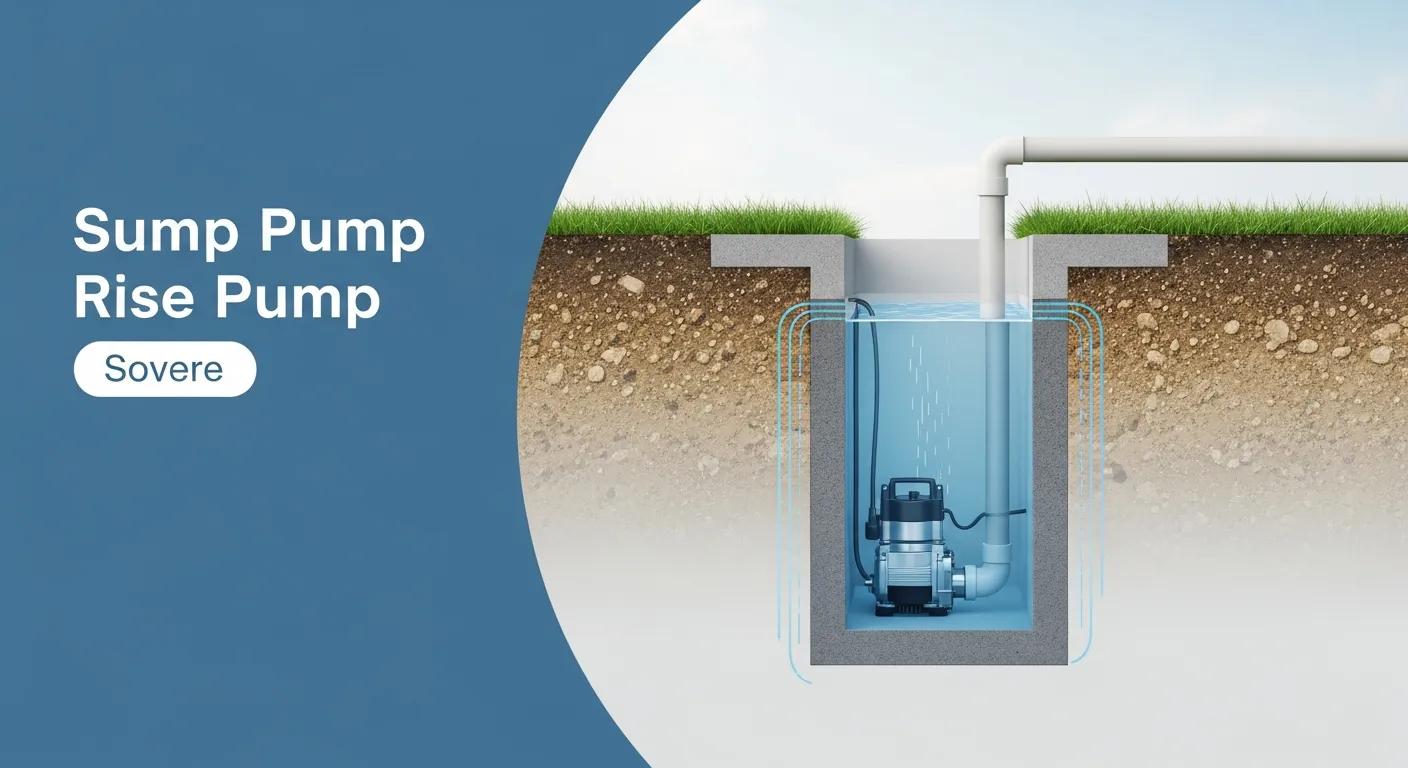
Sump Pump Installation in Parkersburg and Belpre: What to Know Before You Buy
Key Sump Pump Insights
Sump pumps protect homeowners in Parkersburg and Belpre by preventing basement and crawl space flooding. This guide summarizes pump types, installation needs, basic maintenance, and cost factors to help homeowners choose and maintain reliable systems. Professional installation by Law Plumbing Services ensures a compliant setup.
Research confirms that sump pump systems remove flood water and reduce the risk of extensive damage to buildings and their contents.
Sump Pump Systems for Flood Water Removal & Damage Prevention
Sump pump systems remove flood water from a building and can prevent widespread damage to the building and its contents. They are typically installed in the lowest part of a basement or crawl space, where water naturally collects.
Clean, Resilient Flood Technology Options in Canada, 2020
Understanding how sump pumps influence storm flow data supports effective municipal infiltration control and infrastructure planning.
Sump Pumps & Storm Flow Data for Infiltration Control
When storm totals are significant, these sump pumps and induced infiltration can present similarly to other monitored flow sources and influence storm flow records.
Interpreting storm flow data to determine types of infiltration and inflow, 2005
Residential Sump Pump Installation & Effectiveness
The City of Columbus, Ohio, adopted a source-control approach to address wet-weather sanitary sewer overflows and to meet Ohio EPA consent decree requirements. The approach includes lining private sanitary laterals, redirecting roof downspouts to streets, and installing voluntary residential sump pumps. Past studies and monitoring have shown that lateral lining reduces private-source infiltration and inflow (I/I); however, monitoring on the effectiveness of sump pumps has been limited.
Monitoring Effectiveness of Sump Pump on Reducing Private Infiltration/Inflow, 2018
Research from the City of Columbus outlines a source-control strategy and pilot projects that assess sump pump effectiveness in reducing residential infiltration and inflow.
Sump Pump Effectiveness in Reducing Residential Infiltration/Inflow
The City of Columbus adopted a source-control approach to address wet-weather sanitary sewer overflow problems and meet Ohio EPA consent decree requirements. The approach includes lining private sanitary laterals, redirecting roof downspouts to streets, and installing voluntary sump pumps in residential homes. Past studies and monitoring have demonstrated the effectiveness of lateral lining on reducing private-source infiltration/inflow (I/I); however, monitoring on the effectiveness of sump pumps has been limited. Prior to full-scale implementation, the City conducted a pilot project of 118 sump pump installations with 25 pumps monitored for over 18 months beginning in November 2016. The monitoring program aimed to quantify peak I/I reduction and identify ways to improve sump pump effectiveness.
Monitoring Effectiveness of Sump Pump on Reducing Private Infiltration/Inflow, 2018
Key Considerations Before Purchasing
When evaluating a sump pump, focus on practical factors that determine performance and reliability.
Type: Submersible units sit in the pit and handle larger volumes; pedestal units are mounted above the pit and are easier to service.
Size & Capacity: Match pump capacity (GPH) to expected inflow to avoid undersizing or unnecessary oversizing.
Brand & Support: Choose reputable manufacturers with accessible parts and service.
Technical details on mechanics and performance explain the engineering that affects pump selection and reliability.
Sump Pump Types, Performance & Installation
Centrifugal pumps are used for transporting liquids by raising a specified volume flow to a specified pressure level. Pump performance at a given rotor speed is described by the rate of flow delivered, the pressure rise achieved, the power absorbed at the coupling, the efficiency and the NPSH. Depending on the application a broad variety of pump types are offered on the market. All of these have at least one impeller and a collector where most of the kinetic energy at the impeller outlet is converted into static pressure. Different forms of impellers, diffusers, volutes and inlet casings are available to build radial, semi-axial or axial, single- or multistage, pumps mounted in horizontal or vertical position – as most suitable for the specific application.
Pump types and performance data, 2014
Use these points to select a pump suitable for your home and local flood risk.
Installation Requirements
Proper installation determines how effectively the pump protects the property and the public sewer system.
Permits: Check local requirements and secure permits if required.
Placement: Install the pit and pump at the lowest point where water collects.
Electrical: Provide a dedicated circuit and safe outlet placement; use a licensed electrician when required.
For professional installation, Law Plumbing Services can assist with permits, placement, and electrical hookups.
Proper discharge placement prevents water re-entry and reduces strain on public sewer systems.
Sump Pump Discharge Placement to Prevent I/I & Foundation Damage
Position sump pump discharge points away from the foundation, reducing risk of water re-entering the building or contributing to inflow and infiltration (I/I) in the sewer system. This section presents a brief introduction into inflow and infiltration in sewer systems and defines “inflow” and “infiltration”.
Reducing the risk of inflow and infiltration (I/I) in new sewer construction, 2019
Maintenance Tips

Regular maintenance preserves pump life and readiness. Key tasks are simple, seasonal checks.
Test: Pour water into the pit at least once per season to confirm activation.
Clean: Clear the intake screen and pit of debris.
Inspect: Check the float, discharge line, and seals for wear, leaks, or obstructions.
These routine steps reduce the chance of failure during storms.
What Are the Best Sump Pumps for Homes in Parkersburg and Belpre?
Choose models suited to the local flood risk and pit dimensions. Notable manufacturers commonly recommended are:
Zoeller — durable residential models.
Wayne — efficient and value-oriented options.
Liberty — higher-performance models with features for heavy use.
Prioritize reliability, serviceability, and available local support.
Which Types of Sump Pumps Suit Local Flood Risks?
For frequent or heavy inflow, select submersible pumps. For occasional, minor water, a pedestal pump can be sufficient and easier to service.
What Are the Benefits of Battery Backup Sump Pumps?
Battery backups keep pumps running during outages and reduce flood risk when power fails. They are a practical safeguard in storm-prone periods.
Continuity: Maintain operation during power loss.
Flood protection: Reduce damage risk in outages.
Value: Often cost-effective compared to damage repair.
How Much Does Sump Pump Installation Cost in Parkersburg and Belpre?

Installation costs depend on pump choice, site work, and local labor. Typical ranges and cost drivers:
Cost range: Roughly $1,000–$3,000, depending on pump and scope.
Drivers: Additional plumbing, electrical work, and required permits raise costs.
Permits: Include municipal fees where applicable.
What Factors Influence the Sump Pump Cost Estimate?
Key variables include pump size and features, installation complexity (digging, discharge routing, electrical), and local labor rates. Get multiple quotes to compare value.
Are Financing Options Available for Sump Pump Installation?
Financing can help spread costs. Options include home improvement loans, credit cards, or in-house payment plans that some contractors offer.
What Are Key Sump Pump Maintenance Tips for Long-Term Reliability?
Establish regular checks, listen for unusual noises that indicate wear, and keep the sump pit and discharge clear to improve longevity.
How Often Should Homeowners Perform Sump Pump Maintenance?
Perform maintenance at least twice yearly (spring and fall). Key checks: test the pump, inspect the float and discharge, and clean the pit.
What Troubleshooting Steps Can Prevent Basement Flooding?
Quick checks if the pump fails:
Verify power and circuit breaker.
Ensure the float moves freely and isn't obstructed.
Clear discharge lines and remove blockages.
Where to Find Trusted Sump Pump Installation Services Near Me in Parkersburg and Belpre?
Research local providers, ask neighbors for recommendations, and verify licensing and insurance before hiring to ensure proper installation and follow-up service.
Why Choose Law Plumbing Services for Local Sump Pump Installation?
Law Plumbing Services serves the Mid-Ohio Valley with experienced technicians, positive customer feedback, and full plumbing services that handle related issues along with sump pump installation.
What Local Permits and Regulations Affect Installation?
Confirm permit requirements and applicable plumbing codes with your municipality. A licensed plumber can manage permitting and inspections to ensure compliance.
To ensure your plumbing system is functioning correctly, consider regular drain cleaning services.
For gas-related issues, hire professionals for gas line repair to ensure safety and compliance.
For urgent plumbing needs, emergency plumbing services are available.
For sewer concerns, consider sewer line repair and installation services.
Frequently Asked Questions
What are the different types of sump pumps available?
Primarily submersible and pedestal. Submersible pumps handle larger volumes and run quietly; pedestal pumps are easier to service and work well for light flooding.
How can I extend the lifespan of my sump pump?
Test regularly, clean the intake, inspect the float and discharge, and schedule repairs promptly when issues appear.
What should I do if my sump pump is making unusual noises?
Check for debris, verify the float and impeller movement, and call a professional if noises persist.
Are there any specific installation tips for sump pumps in flood-prone areas?
Place the pump at the lowest point, use higher-capacity units for heavy inflow, direct discharge away from the foundation, and install a battery backup when possible.
What are the signs that my sump pump is failing?
Frequent cycling, grinding noises, visible corrosion, or continuous running without removing water; consider replacement if near the end of expected service life.
How do I choose the right sump pump for my home?
Match pump capacity to expected inflow, choose the type based on space and maintenance preferences, and favour reputable brands with local support.
What are the potential environmental impacts of sump pump discharge?
Direct discharge away from the foundation and avoid routing into storm drains or natural waterways without permits; use energy-efficient pumps and follow local rules.
What is the average lifespan of a sump pump?
Typically 5–15 years depending on model, usage, and care. Replace older or trouble-prone units proactively.
How can I tell if my sump pump is working properly?
Pour water into the pit to confirm activation, listen for unusual noises, and inspect the float and discharge for proper movement.
Can I install a sump pump myself, or should I hire a professional?
DIY is possible for some, but professionals ensure correct sizing, code compliance, and safe electrical work.
What should I do if my sump pump fails during a storm?
Check the power and breaker, inspect the float and discharge for obstructions, and use a portable pump as a temporary measure if needed. A battery backup prevents many outage failures.
Are there any environmental considerations with sump pump installation?
Avoid discharging into waterways or drains without permission, and select energy-efficient equipment to reduce environmental impact.
What are the signs that my sump pump needs replacement?
Replace if it runs frequently without pumping, emits grinding noises, shows corrosion, or is near 10 years old and unreliable.
How can I improve the efficiency of my sump pump?
Keep the pit and intake clean, confirm correct pump sizing, add a backup for outages, and keep the discharge line clear and directed away from the foundation.

Don’t let that drip turn into a disaster
Small leaks have a funny way of becoming big problems — fast. Whether it’s an annoying faucet, a slow drain, or a full-blown plumbing emergency, Law Plumbing is ready to help. We respond quickly, show up on time, and fix things right the first time. No surprises. No pressure. Just honest work from people who know plumbing.
Let’s get your plumbing back on track — without the runaround.
With over 12 years of experience, we’ve seen it all — and fixed it all!
Licensed in West Virginia and Ohio.
Proud members of the Marietta/Parkersburg Contractors Association.
WV Lic. #053806 | OH Lic. #51303
24/7 plumbing emergency? We’re already on our way

LOCALLY OWNED, COMMUNITY FOCUSED
We’re not a chain, a franchise, or a mystery number in a call center. We’re your neighbors — and we take pride in serving our community with honest work and real results.

EMERGENCY SERVICES
Middle of the night? Sunday afternoon? Holiday weekend? We’ve got you. Plumbing disasters don’t follow a schedule, so neither do we.

SKILLED & TRAINED
PERSONNEL
Our plumbers aren’t just good — they’re certified, experienced, and constantly trained on the latest tools and techniques. So you’re not just getting speed, you’re getting skill.

FAST RELIABLE SERVICE
We don’t drag our feet. Our team responds quickly, arrives on time, and comes prepared to fix the issue on the spot — no drawn-out delays or mystery time windows.
Still thinking about it? Your pipes aren’t.
Plumbing issues don’t get better with time — they get louder, leakier, and more expensive. Whether you need a quick fix or a full install, Law Plumbing is ready to roll.
No pressure. Just solid work, honest pricing, and a team that actually shows up.
Testimonials
Serving Your Area With Trusted Plumbing Solutions