Blogs
Got a leak that won’t quit? Wondering whether your water heater’s on its last leg? Or maybe you just want to learn how to avoid a plumbing disaster at 2 a.m. — we’ve got you. Our blog is where we break down the most common (and not-so-common) plumbing issues, answer real homeowner questions, and offer tips to keep your pipes happy and your wallet intact. No fluff. No fear tactics. Just solid advice from licensed professionals who know what they’re doing — and aren’t afraid to explain it.
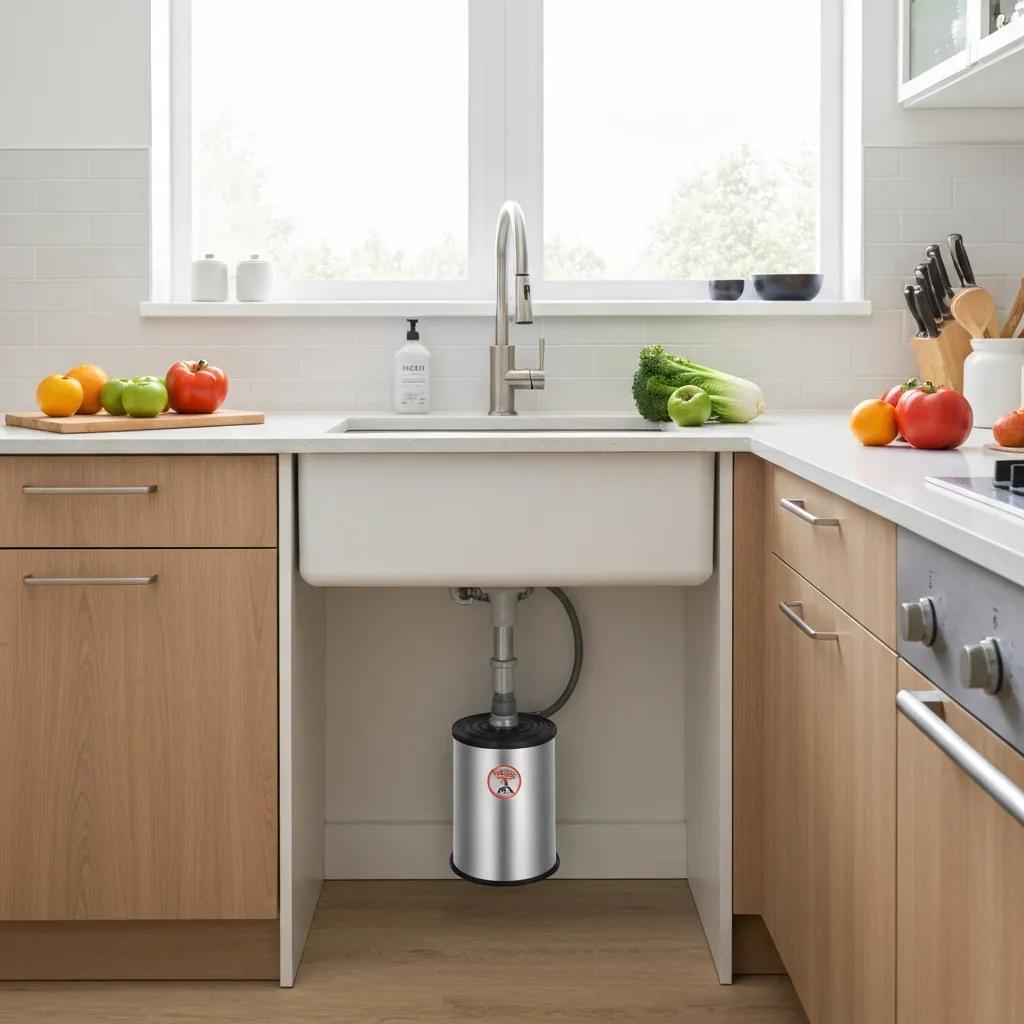
Law Plumbing | Garbage disposal repairs and installations
Trusted Garbage Disposal Repair & Installation — Belpre, OH and Parkersburg, WV
A broken garbage disposal can grind your kitchen to a halt, produce stubborn odors, and create electrical or water-damage risks for homeowners and businesses across the Mid‑Ohio Valley. This guide walks you through the most common disposal problems, safe DIY checks you can try, when a repair makes sense versus a full replacement, and how professional installation can restore kitchen performance. You’ll find step‑by‑step jam‑clearing and leak‑diagnosis tips, clear maintenance do’s and don’ts to lengthen the unit’s life, and local cost considerations for Belpre, OH and Parkersburg, WV. We also compare popular brands and models in a simple specs table to help you choose the right unit. Practical emergency advice and an overview of local professional support are included so you can act quickly if a disposal shows dangerous symptoms.
Law Plumbing Services is a locally owned Mid‑Ohio Valley plumbing company serving Belpre and Parkersburg with 24/7 emergency response, experienced technicians, straightforward diagnostics, and transparent pricing. If you need a quick assessment or an urgent visit, contact Law Plumbing Services to schedule an inspection or emergency dispatch; the office is at 2014 Washington Blvd suite 201, Belpre, OH 45714. The next section outlines the most common garbage disposal issues and safe first steps you can take.
What Are the Most Common Garbage Disposal Problems — and How Do You Fix Them?
Disposals most often fail because of mechanical jams, leaks, electrical faults that cause a humming motor without rotation, or lingering odors from trapped food. Knowing the difference helps you follow safe troubleshooting steps and decide when a licensed pro should take over. Below we list frequent failure modes, homeowner‑safe initial checks, and the line between DIY fixes and work that needs a plumber. Recognizing that line reduces injury risk and prevents more costly secondary damage.
Common disposal problems to watch for and initial checks:
Jammed rotor or foreign object blocking the impellers.
Leaks at the sink flange, dishwasher connection, or plumbing joints.
Humming motor that won’t spin — often caused by overload or a jam.
Persistent odors from trapped organic material or biofilm.
Each symptom calls for a different response; knowing the right first step helps you resolve the issue safely and identify when to call for a professional inspection.
How Do You Fix a Jammed Garbage Disposal?
Most jams are cleared by removing the obstruction and restoring the motor to normal operation — but safety comes first. Always isolate power at the breaker or unplug the unit before inserting any tools or your hand into the drain. Many modern disposals have a hex recess under the motor for an Allen wrench to free the impeller; if yours doesn’t, use long‑handled pliers to extract the object while the unit stays powered off. If you smell burning, the reset button won’t restore function, or you suspect internal damage, stop and schedule professional service.
Knowing when to stop and call a pro prevents further harm. Persistent jams that need disassembly, exposed wiring, or suspected motor damage are all reasons to request a licensed plumber. Those escalation cues tie directly into diagnosing leaks and motor failure discussed next.
What Causes Garbage Disposal Leaks and How Are They Repaired?
Leaks usually start at a few predictable points: the sink mounting flange, the gasket between the disposal and sink, the dishwasher inlet hose, or cracks in the disposal housing or drain lines. A simple homeowner check inspects visible seals and connections under the sink while the unit is dry, then runs water with the disposal on to spot the wet area — but always cut power before touching fittings. Easy fixes include tightening mounting bolts, replacing a worn flange gasket, or tightening a loose hose clamp. Cracked housings or internal leaks typically mean the unit needs replacement.
Minor seal and connection repairs are usually lower cost and fast; replacement is the better choice for structural damage or repeat leaks. The next section on humming motors explains another common issue that sometimes appears alongside leaks.
Why Is My Garbage Disposal Humming but Not Working?
A humming sound usually means the motor is getting power but the impellers are jammed or the motor is overloaded — not always that the motor is ruined. First, cut power and press the reset if your unit has one; then try to free the jam with the manual hex wrench or remove visible debris from the grinding chamber. If humming continues after clearing jams and resetting, it may indicate electrical trouble or internal motor failure, and a technician should test voltage, motor windings, and internal parts.
Call a pro when humming comes with a burning smell, tripped breakers that won’t reset, or intermittent electrical faults. Those signs point to failing motor components or wiring problems that are safety hazards and require licensed intervention.
How Does Professional Garbage Disposal Installation Improve Kitchen Efficiency?
Professional installation makes sure the disposal is mounted correctly, seals are watertight, and electrical connections are safe — which leads to quieter operation, steadier grinding performance, and fewer clogs over time. Matching horsepower and feed type to your household’s usage reduces strain and extends the unit’s life. Proper sink‑flange sealing prevents leaks and under‑sink damage, and trained installers route connections and dishwasher hookups to avoid backflow and improve overall efficiency. Below is a compact comparison of common models and attributes to guide your choice.
Model / BrandHorsepowerNoise LevelFeed TypeWarrantyInSinkErator (mid-range)3/4 HPQuietContinuous3 yearsWaste King (value line)1/2 HPModerateContinuous2 yearsMoen (premium)1 HPVery QuietBatch/Continuous5 years
This table shows how horsepower, noise control, and feed options affect daily use and long‑term satisfaction. The next section explains why upgrading could be worth it.
Why Should You Upgrade Your Garbage Disposal?
Upgrading can improve grinding efficiency, reduce jams, and lower noise — giving you a smoother kitchen experience with fewer service calls. Older units lose grinding effectiveness and seals wear out, raising the chance of leaks and odors. A newer model with higher horsepower and better sound dampening handles tougher scraps and cuts clog frequency. Upgrades often come with improved warranties and corrosion‑resistant parts that lower lifetime maintenance costs. Compare replacement cost with ongoing repair bills to judge upgrade value.
Understanding model differences helps you balance upfront cost against long‑term convenience, which prepares you for the repair‑versus‑replace decision below.
How Do You Choose the Right Garbage Disposal Brand and Model?
Choose horsepower to match usage: 1/2 HP for light use, 3/4 HP for most families, and 1 HP for heavy kitchens. Continuous feed offers convenience; batch feed adds safety where children are present. Noise‑reduction and anti‑vibration features matter in open layouts, and warranty length signals manufacturer confidence and support. Consider brands like InSinkErator, Waste King, Moen, and KitchenAid, and let a professional confirm electrical and mounting compatibility before you buy.
Picking the right model minimizes future issues and aligns installation complexity with expected performance, setting up the repair vs replacement analysis that follows.
When Should You Repair or Replace Your Garbage Disposal? Cost and Value Analysis
The repair vs replacement choice depends on the unit’s age, damage type and extent, how often it fails, and the repair cost compared to replacement. Minor jams and seal fixes usually make repair worthwhile. Repeated motor failures, cracks in the housing, or a unit past its typical service life generally point to replacement. Local factors in Belpre and Parkersburg — parts availability, access — also affect the decision, so ask for an itemized estimate that separates parts and labor to compare options clearly.
To make the decision practical, consider these repair vs replacement comparisons:
OptionTypical Cost RangeTime to CompleteWhen AppropriateRepair$50 - $2001 hourMinor jams, gasket or flange replacementReplace$200 - $600+1–3 hoursCracked housing, repeated motor failure, age‑related wearUpgrade (premium install)$400 - $900+2–4 hoursDesire for quieter, higher‑capacity unit or electrical upgrades
This matrix helps homeowners and property managers weigh cost‑effectiveness. The next section offers localized repair‑cost guidance.
What Is the Average Cost to Repair a Garbage Disposal in Belpre and Parkersburg?
Costs in the Mid‑Ohio Valley depend on labor availability, parts required, and whether the job needs under‑sink disassembly. Small repairs like replacing a gasket, tightening a flange, or removing a foreign object usually take under an hour and use common parts. More complex work — motor replacement or internal rebuilds — takes longer and raises parts costs, sometimes making replacement the better value. Always request a written, itemized estimate to compare repair and replacement quotes fairly.
Local labor and access can change final pricing. If a technician must do electrical upgrades, replace flanges, or reconfigure piping, the added time and parts may tip the balance toward replacement as the more durable investment.
How Much Does Garbage Disposal Replacement Cost and What Factors Affect Pricing?
Replacement cost covers the new unit, removal and install labor, plus any incidental plumbing or electrical work such as flange replacement or circuit updates. Unit price varies with horsepower, brand, and noise‑control features; entry‑level models cost less, while premium, high‑horsepower, and quiet models cost more. Tight under‑sink access, corrosion, or custom sink mounts increase labor and parts, raising total cost. Get an upfront estimate that separates unit price from labor and extras so the total investment is clear.
Consider warranty coverage and expected lifespan when choosing replacement. A higher‑quality install usually reduces future service calls and can be more economical over the appliance’s life.
What Maintenance Tips Extend the Life of Your Garbage Disposal?
Simple routine care prevents jams, controls odors, and preserves seals and motor life by keeping the grinding chamber clear and avoiding damaging materials. Good habits include running cold water while you operate the disposal, avoiding grease and fibrous foods, and doing a monthly cleaning to reduce buildup. Safe cleaning moves like grinding ice cubes or citrus peels and avoiding harsh chemical drain cleaners protect seals and bearings. Below is an easy maintenance checklist you can follow each month.
Maintenance ActionFrequency / Risk LevelBenefitRun cold water while grindingEvery use / Low riskFlushes solids and cools motorGrind ice cubesMonthly / Low riskCleans grinding chamber and sharpens edgesUse citrus peelsMonthly / Low riskReduces odors and freshens drainsAvoid grease & fibrous foodsAlways / High risk if ignoredPrevents clogs and seal damage
These steps are easy to adopt and dramatically lower the chance of jams and leaks. The next section explains the best cleaning routine in detail.
How Do You Properly Clean and Maintain a Garbage Disposal?
Start every cleaning with power isolation: unplug the unit or switch off the breaker before you reach in. With power off, run cold water and grind a handful of ice cubes to loosen debris and dislodge buildup; follow with citrus peels to freshen the chamber. For a deeper clean, sprinkle baking soda into the chamber, add vinegar and let it fizz for a few minutes, then rinse with cold water while briefly running the unit. Never pour harsh chemical drain cleaners into the disposal. Periodically inspect mounting seals and plumbing connections and call a professional if you find persistent leaks, corrosion, or unusual noises.
Routine preventive cleaning keeps the disposal working well and helps you spot early signs of wear that may need professional attention. Next is a quick list of items you should never put into a disposal.
What Should You Never Put in a Garbage Disposal?
Certain items routinely cause jams, dull blades, or clog downstream plumbing and should go to the trash or compost instead. Never put grease, coffee grounds, fibrous vegetables (like celery), starchy food (like potato peels), large bones, or eggshells into the disposal — they can form paste, wrap around impellers, or damage components. Use a compost bin for suitable scraps and wipe oils from pans with a paper towel before washing. Avoiding these items lowers service frequency and extends your disposal’s life.
Following these prohibitions reduces strain on the unit and prevents many common service calls. The next section covers emergency signs and response steps.
How Can Law Plumbing Services Help with Emergency Garbage Disposal Repairs 24/7?
Emergency disposal problems — smoke, burning smells, electrical arcing, or major leaks — require immediate, safety‑first action and fast professional help to prevent damage. Law Plumbing Services offers 24/7 emergency response across the Mid‑Ohio Valley, dispatching trained technicians to evaluate electrical safety, isolate water, and repair or replace failing components. Their emergency process focuses on safe triage: instructing homeowners to cut power, stop using the disposal, and secure the area until a licensed technician arrives. For urgent needs, contact Law Plumbing Services to request emergency dispatch and reduce the risk of escalation.
Here’s a short example of how they handle emergencies: when smoke and a burning odor accompanied a stuck motor at a residence, Law Plumbing Services advised the homeowner to shut off power at the breaker, stop water flow, and wait for the dispatched technician, who then replaced the damaged unit and secured the plumbing to prevent leaks. This protocol minimizes danger and restores safe kitchen function quickly.
What Are Signs You Need Immediate Garbage Disposal Repair?
Red flags include visible smoke, a burning electrical smell, sparks or arcing at the switch or outlet, uncontrolled leaks soaking cabinetry, and tripped breakers that won’t reset. If you see any of these, stop using the disposal immediately and cut power at the breaker to prevent fire or further water damage. Do not try repairs if you observe arcing, exposed wiring, or smoke; those conditions require a licensed technician. After making the area safe, contact emergency plumbing support for a prompt inspection and repair.
Recognizing these urgent indicators and taking the correct immediate steps preserves safety and usually reduces repair time and cost. The next section explains local response and technician qualifications.
How Does Law Plumbing Provide Fast and Reliable Emergency Service in the Mid-Ohio Valley?
Law Plumbing Services is a locally owned, community‑focused plumbing company serving Belpre and Parkersburg with licensed technicians and emergency availability. Technicians perform rapid triage and honest diagnostics, assessing electrical and plumbing risks on arrival, performing safe shutdowns, and offering clear repair or replacement options with transparent pricing. The company is licensed in West Virginia and Ohio (WV Lic. #053806 | OH Lic. #51303) and has more than a decade of field experience, supporting code‑compliant repairs. For urgent needs, contact Law Plumbing Services to request dispatch and an on‑site assessment.
This local, licensed approach ensures emergencies are handled by trained personnel who prioritize safety, accuracy, and clear communication during repairs and replacements.
Why Choose Law Plumbing Services for Garbage Disposal Repairs and Installations?
Law Plumbing Services brings clear advantages for Mid‑Ohio Valley customers: 24/7 emergency availability, skilled technicians, fast and dependable service, honest diagnostics with transparent pricing, and local ownership invested in the community. Those trust signals reduce uncertainty during urgent calls and help homeowners compare service options. The company’s local office in Belpre, plus its licensing and experience, form the backbone of responsible, code‑compliant plumbing work in both West Virginia and Ohio.
Choosing a licensed, local partner gives you reliable follow‑through on repairs, itemized estimates separating parts and labor, and installers who understand regional plumbing differences and local parts sourcing.
What Certifications and Experience Do Our Plumbers Have?
Law Plumbing Services holds licenses in both West Virginia and Ohio — WV Lic. #053806 and OH Lic. #51303 — and its team brings the field experience and trained personnel needed for disposal repairs and installations. State licensing shows technicians meet regulatory training and competency standards for safe electrical and plumbing work beneath sinks. Their practical experience enables accurate diagnosis of jams, leaks, and motor problems and helps them recommend repair versus replacement based on long‑lasting, code‑compliant criteria. Licensing and documented experience translate to safer, more reliable repairs for homeowners and businesses.
These qualifications also support transparent, compliant estimates and any permitting required, contributing to predictable outcomes and greater customer confidence.
How Does Our Transparent Pricing and Honest Work Benefit You?
Transparent pricing means you receive a clear, itemized estimate that separates parts, labor, and any additional plumbing or electrical work so you can compare options objectively. Honest diagnostics avoid unnecessary upsells by recommending repair only when it’s cost‑effective and durable, or replacement when that preserves safety and value. This approach helps you budget accurately and pick the solution that matches long‑term needs, whether a quick gasket swap or a higher‑capacity upgrade. To request an estimate or emergency assistance, contact Law Plumbing Services at their Belpre office for scheduling and on‑site evaluation.
Clear estimates and straightforward recommendations reduce surprises and align repair outcomes with homeowner priorities for safety, cost, and longevity.
Frequently Asked Questions
What are the signs that my garbage disposal needs to be replaced?
Look for persistent jams, unusual grinding noises, ongoing leaks, or a burning smell. If the unit is more than about 10 years old and needs frequent repairs, replacement may be more economical. A noticeable drop in grinding efficiency or failure to start after multiple resets also indicates motor or internal component failure. Routine maintenance can extend life, but knowing when to replace the unit is important for safety and kitchen reliability.
Can I install a garbage disposal myself, or should I hire a professional?
Some homeowners install disposals themselves, but hiring a professional is usually recommended. Professionals ensure the unit is mounted correctly, electrical connections are safe, and plumbing is sealed to prevent leaks. Technicians can also advise on the right model for your usage and confirm compatibility with your sink and wiring. If you lack plumbing or electrical experience, a licensed installer is the safer, more efficient choice.
How can I prevent odors from my garbage disposal?
Prevent odors by regularly cleaning the grinding chamber: grind ice cubes and citrus peels to dislodge debris and freshen the unit. Always run cold water while the disposal is on to flush particles. Avoid putting strong‑smelling or fibrous foods down the drain, and perform a monthly deep clean with baking soda and vinegar to remove lingering smells. These simple steps keep the disposal smelling fresh and working well.
What should I do if my garbage disposal is making strange noises?
If you hear unusual noises, turn the unit off immediately to prevent damage. Strange sounds often mean a jam, foreign object, or a motor issue. With power off, check for visible obstructions and clear them safely. If you can’t find the cause or the noise continues after removing jams, contact a professional plumber — ignoring odd noises can lead to motor failure or electrical hazards.
Are there any foods I should avoid putting in my garbage disposal?
Yes. Don’t put grease, fibrous vegetables (like celery), starchy scraps (like potato peels), large bones, or eggshells in the disposal. These items can form a paste, wrap around impellers, or damage components. Compost suitable scraps and wipe oils from pans with a paper towel before washing to protect your disposal and plumbing.
How often should I perform maintenance on my garbage disposal?
Do basic maintenance every time you use the disposal by running cold water while it operates. Do a deeper clean monthly by grinding ice cubes and citrus peels to clean blades and freshen drains. Inspect the unit regularly for leaks or unusual sounds, and consider professional maintenance annually to catch small problems before they become larger repairs.

Don’t let that drip turn into a disaster
Small leaks have a funny way of becoming big problems — fast. Whether it’s an annoying faucet, a slow drain, or a full-blown plumbing emergency, Law Plumbing is ready to help. We respond quickly, show up on time, and fix things right the first time. No surprises. No pressure. Just honest work from people who know plumbing.
Let’s get your plumbing back on track — without the runaround.
With over 12 years of experience, we’ve seen it all — and fixed it all!
Licensed in West Virginia and Ohio.
Proud members of the Marietta/Parkersburg Contractors Association.
WV Lic. #053806 | OH Lic. #51303
24/7 plumbing emergency? We’re already on our way

LOCALLY OWNED, COMMUNITY FOCUSED
We’re not a chain, a franchise, or a mystery number in a call center. We’re your neighbors — and we take pride in serving our community with honest work and real results.

EMERGENCY SERVICES
Middle of the night? Sunday afternoon? Holiday weekend? We’ve got you. Plumbing disasters don’t follow a schedule, so neither do we.

SKILLED & TRAINED
PERSONNEL
Our plumbers aren’t just good — they’re certified, experienced, and constantly trained on the latest tools and techniques. So you’re not just getting speed, you’re getting skill.

FAST RELIABLE SERVICE
We don’t drag our feet. Our team responds quickly, arrives on time, and comes prepared to fix the issue on the spot — no drawn-out delays or mystery time windows.
Still thinking about it? Your pipes aren’t.
Plumbing issues don’t get better with time — they get louder, leakier, and more expensive. Whether you need a quick fix or a full install, Law Plumbing is ready to roll.
No pressure. Just solid work, honest pricing, and a team that actually shows up.
Testimonials
Serving Your Area With Trusted Plumbing Solutions