Blogs
Got a leak that won’t quit? Wondering whether your water heater’s on its last leg? Or maybe you just want to learn how to avoid a plumbing disaster at 2 a.m. — we’ve got you. Our blog is where we break down the most common (and not-so-common) plumbing issues, answer real homeowner questions, and offer tips to keep your pipes happy and your wallet intact. No fluff. No fear tactics. Just solid advice from licensed professionals who know what they’re doing — and aren’t afraid to explain it.
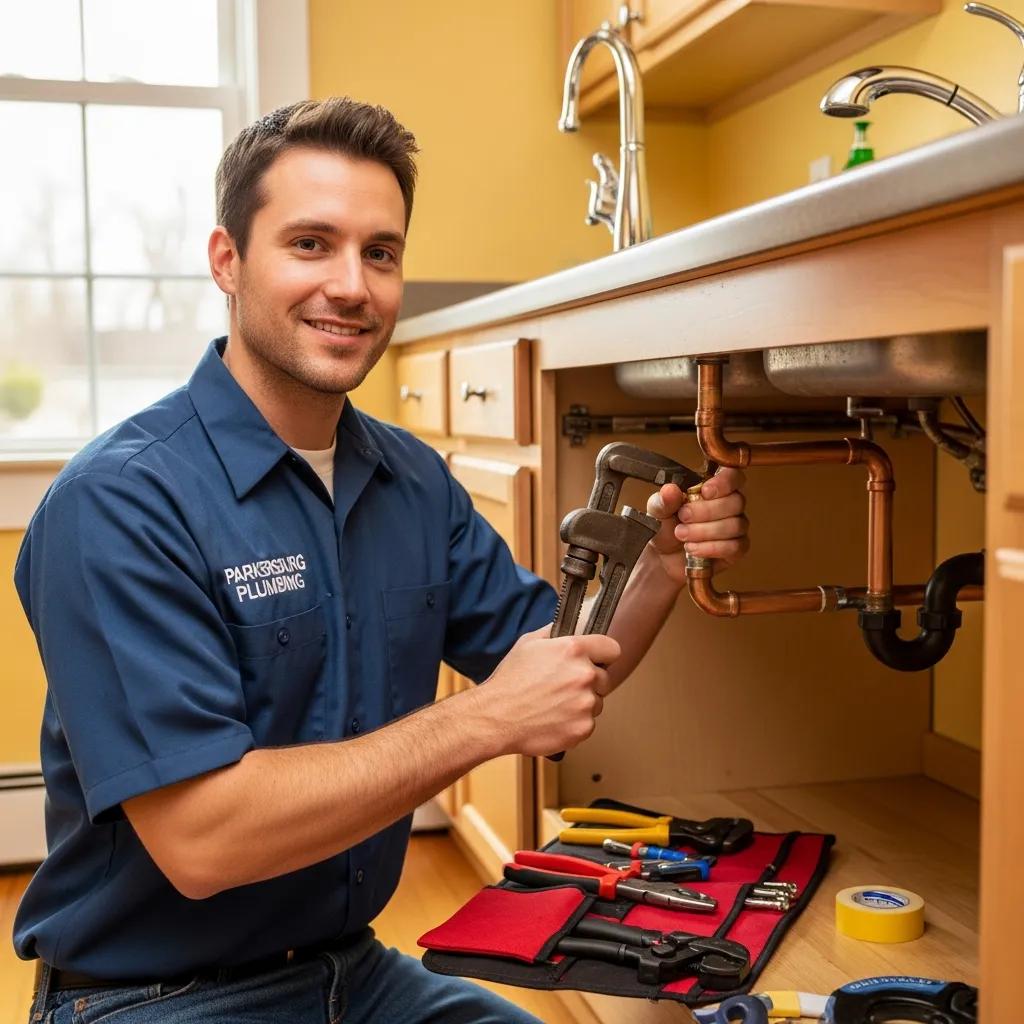
Do You Need a Licensed Plumber in Parkersburg, WV—or Can You DIY?
Do You Need a Licensed Plumber in Parkersburg, WV—or Can You DIY?
Deciding whether to hire a licensed plumber or try a DIY fix is a common dilemma for homeowners in Parkersburg, WV. **With the average household experiencing at least one plumbing emergency every three years, according to national surveys,** this guide walks you through the key factors to consider so you can protect your home and avoid surprises. Many homeowners underestimate how quickly a simple job can become costly or unsafe; in fact, **industry reports indicate that over 40% of DIY plumbing attempts result in further damage or require professional intervention.** We’ll cover when to call a licensed plumber, the hidden risks of DIY work, West Virginia code and permit basics, the advantages of hiring a pro, and a clear cost comparison between DIY and professional service.
When Should You Hire a Licensed Plumber in Parkersburg, WV?
Hire a licensed plumber whenever the job is safety-sensitive, technically complex, or requires a permit. Licensed professionals bring trained experience, the right tools, and knowledge of local rules—everything you need to keep your system working properly and your family safe. **As John Smith, a veteran plumber with 25 years of experience, states, "Attempting complex plumbing without the right expertise is like performing surgery without a medical degree; the risks far outweigh any perceived savings."**
What Complex Plumbing Issues Require Professional Expertise?
Some problems should be left to a licensed pro. Gas line repairs carry serious safety risks if handled incorrectly; **the U.S. Department of Transportation reports hundreds of incidents annually related to gas line failures, many preventable with professional installation and maintenance.** Sewer line troubles often need specialized cameras and equipment that a homeowner won’t have, **with professional sewer line repairs often costing upwards of $3,000 if not addressed promptly and correctly.** Major water heater installations must be done precisely to avoid leaks or hazards, **as faulty installations are a leading cause of water damage and carbon monoxide leaks, according to safety organizations.** Beyond these, professionals also handle specialized installations like pool pump servicing, sump pump installations, and home water filtration systems, ensuring they meet specific requirements. Bringing in a licensed plumber ensures these jobs are fixed safely and correctly the first time.
How Do Licensed Plumbers Ensure Compliance with West Virginia Plumbing Codes?
Licensed plumbers know West Virginia plumbing codes and the permits required for many jobs. Those rules exist to protect health and property. **The International Plumbing Code (IPC), adopted by West Virginia, is designed to safeguard public health and safety by establishing minimum standards for plumbing systems, reducing the risk of contamination and structural damage.** Skipping permits or code requirements can lead to fines, failed inspections, or having to redo work later. Hiring a licensed plumber helps make sure the work is legal, safe, and up to standard.
What Are the Risks and Hidden Costs of DIY Plumbing in Parkersburg, WV?
DIY plumbing can look cheaper at first, but it often brings hidden costs and risks. Mistakes can cause water damage, safety hazards, or code violations that end up costing far more than a professional repair. **For instance, the average cost of water damage repair in the U.S. ranges from $2,500 to $5,000, a significant portion of which can be attributed to preventable plumbing issues.**
What Are Common DIY Plumbing Mistakes and Their Consequences?

Common DIY errors include ignoring local codes, using the wrong fittings that cause leaks, and not shutting off water properly before starting work. **A recent survey found that nearly 60% of DIY plumbing attempts result in at least one significant error, often leading to more complex and costly professional repairs.** These mistakes can lead to accidents, hidden water damage, and expensive corrective repairs down the line.
How Can DIY Plumbing Lead to Increased Repair Costs and Insurance Issues?
Improper repairs can escalate quickly: a small leak left unchecked can damage floors, drywall, and insulation. Insurance companies may deny claims for damage caused by unpermitted or unlicensed work, leaving you to cover the full cost. **Reports from insurance industry associations indicate that up to 30% of water damage claims related to DIY work are partially or fully denied due to non-compliance with codes or lack of professional oversight.** That’s why it’s important to weigh immediate savings against potential long-term expenses.
What Are the West Virginia Plumbing Code and Permit Requirements for Homeowners?
Knowing West Virginia’s plumbing code and local permit rules matters before you start any project. These requirements are in place to keep installations safe, sanitary, and consistent across homes.
Which Plumbing Projects Require Permits in Parkersburg, WV?
Projects that typically need permits include major renovations, new plumbing installations, and repairs that alter the plumbing system. Check with the Parkersburg building department or the West Virginia State Plumbing Code to confirm which jobs require permits. Skipping a required permit can result in fines and complications when you sell the house.
How Does Adhering to Plumbing Codes Protect Your Home and Investment?

Following plumbing codes reduces the risk of leaks, water damage, and health hazards. It also helps preserve your property value and avoids unexpected repair costs. **Real estate experts often advise that code-compliant plumbing is a key factor in maintaining home value and can be a significant selling point.** When work is done to code, you get reliable, long-lasting results that protect your investment.
What Are the Benefits of Hiring a Licensed and Insured Plumber in Parkersburg, WV?
Hiring a licensed and insured plumber gives you more than compliance—it brings peace of mind. **In fact, a recent industry poll revealed that 92% of homeowners feel more secure knowing their plumbing work is covered by professional insurance, mitigating personal liability.** Professionals carry insurance, follow code, and stand behind their work, which reduces your risk and liability.
How Do Licensed Plumbers Provide Quality Workmanship and Warranty?
Licensed plumbers are trained to deliver reliable workmanship on installations and repairs. This includes everything from routine drain cleaning and water line repairs to specialized services like toilet repairs, bathtub and shower repairs, and addressing issues with kitchen sinks and faucets, bathroom sinks and faucets, garbage disposal repairs and installations, and even water cooler servicing. Many offer warranties so that if a problem tied to their work shows up later, they’ll come back and fix it—typically at no extra charge. **As consumer advocates often highlight, "A professional warranty isn't just a piece of paper; it's a commitment to quality and a safeguard for your investment, something DIY projects simply cannot offer."** That kind of guarantee protects you from repeat costs.
Why Is Local, 24/7 Emergency Service Important for Parkersburg Homeowners?
Plumbing emergencies don’t follow a schedule. Local, 24/7 service lets you stop damage fast—minimizing cleanup and repair costs. Knowing a trusted, licensed plumber is available around the clock gives homeowners real peace of mind.
How Does Plumbing Repair Cost in Parkersburg, WV Compare Between DIY and Professionals?
Comparing costs means looking beyond the upfront price. DIY may save money on small tasks, but tool purchases, mistakes, and hidden damage can quickly make it more expensive than hiring a pro. **Homeowners often underestimate the time commitment, with many DIY projects taking twice as long as anticipated, effectively doubling the 'labor' cost in personal time.**
What Are Typical Price Ranges for Professional Plumbing Services in Parkersburg?
In Parkersburg, minor professional repairs usually run between $150 and $350. More complex jobs—especially those involving sewer lines, gas, or major installations—can cost $1,000 or more. Prices vary based on the job’s scope, difficulty, and materials, so it’s wise to get multiple quotes from licensed plumbers.
How Do DIY Costs and Risks Potentially Exceed Professional Fees?
Buying tools and materials for a one-off job can add up, and a mistake can mean expensive repairs later. **Studies by home improvement organizations suggest that the cost of correcting DIY plumbing errors can be 2-3 times higher than the original professional service fee would have been.** When you factor in the time, potential for additional damage, and insurance issues, DIY work can quickly become pricier than hiring a qualified professional.
Frequently Asked Questions
What Should Homeowners Consider Before Attempting DIY Plumbing?
Before starting a DIY plumbing job, be honest about your skill level and the complexity of the task. Consider the risks—possible damage, code violations, and time required—and whether you have the right tools. If the project feels overwhelming or safety is a concern, calling a licensed plumber is the safer, more efficient choice.
What Are the Signs That You Need to Call a Licensed Plumber?
Call a licensed plumber for persistent leaks, low water pressure, strange noises from pipes, sewage backups, or visible water stains on walls or ceilings. If a problem goes beyond basic fixes, a professional can diagnose the root cause and prevent further damage.
How Can Homeowners Prepare for a Visit from a Licensed Plumber?
Make the plumber’s visit smoother by documenting the issue, clearing the work area, and gathering any past repair records or warranties. Clear communication about what you’ve observed helps the technician diagnose and resolve the problem faster.
What Are the Long-Term Benefits of Hiring a Licensed Plumber?
Licensed plumbers deliver work that meets code, offer warranties, and reduce the chance of recurring problems. Over time, that reliability saves money and stress compared with repeated DIY fixes.
How Can Homeowners Find Reliable Licensed Plumbers in Parkersburg?
Find trusted plumbers by asking neighbors for recommendations, checking online reviews, and verifying credentials with the West Virginia Division of Labor. Request multiple quotes and ask for references to ensure you hire a reputable, licensed professional. To learn more about our company or to contact us for service, visit our website.
What Should You Do If You Encounter a Plumbing Emergency?
If you face a burst pipe or major leak, shut off the main water supply right away to limit damage. Then call a licensed plumber who provides 24/7 emergency service. Take photos for insurance and avoid attempting risky repairs yourself.
Is It Legal to Perform DIY Plumbing in West Virginia?
Homeowners in West Virginia can handle some plumbing tasks, but many projects require permits and must meet state and local codes. Major installations or modifications generally need a licensed plumber. **It's a critical legal point that unpermitted work can lead to significant fines and even impact your ability to sell your home, as potential buyers' inspections will flag non-compliant installations.** Check with Parkersburg’s building department to understand local rules and avoid legal issues.
How Can Homeowners Verify a Plumber’s License and Credentials?
Verify a plumber’s license through the West Virginia Division of Labor by searching a name or license number. Also, ask about insurance and request references from past customers to confirm experience and reliability.

Don’t let that drip turn into a disaster
Small leaks have a funny way of becoming big problems — fast. Whether it’s an annoying faucet, a slow drain, or a full-blown plumbing emergency, Law Plumbing is ready to help. We respond quickly, show up on time, and fix things right the first time. No surprises. No pressure. Just honest work from people who know plumbing.
Let’s get your plumbing back on track — without the runaround.
With over 12 years of experience, we’ve seen it all — and fixed it all!
Licensed in West Virginia and Ohio.
Proud members of the Marietta/Parkersburg Contractors Association.
WV Lic. #053806 | OH Lic. #51303
24/7 plumbing emergency? We’re already on our way

LOCALLY OWNED, COMMUNITY FOCUSED
We’re not a chain, a franchise, or a mystery number in a call center. We’re your neighbors — and we take pride in serving our community with honest work and real results.

EMERGENCY SERVICES
Middle of the night? Sunday afternoon? Holiday weekend? We’ve got you. Plumbing disasters don’t follow a schedule, so neither do we.

SKILLED & TRAINED
PERSONNEL
Our plumbers aren’t just good — they’re certified, experienced, and constantly trained on the latest tools and techniques. So you’re not just getting speed, you’re getting skill.

FAST RELIABLE SERVICE
We don’t drag our feet. Our team responds quickly, arrives on time, and comes prepared to fix the issue on the spot — no drawn-out delays or mystery time windows.
Still thinking about it? Your pipes aren’t.
Plumbing issues don’t get better with time — they get louder, leakier, and more expensive. Whether you need a quick fix or a full install, Law Plumbing is ready to roll.
No pressure. Just solid work, honest pricing, and a team that actually shows up.
Testimonials
Serving Your Area With Trusted Plumbing Solutions