Blogs
Got a leak that won’t quit? Wondering whether your water heater’s on its last leg? Or maybe you just want to learn how to avoid a plumbing disaster at 2 a.m. — we’ve got you. Our blog is where we break down the most common (and not-so-common) plumbing issues, answer real homeowner questions, and offer tips to keep your pipes happy and your wallet intact. No fluff. No fear tactics. Just solid advice from licensed professionals who know what they’re doing — and aren’t afraid to explain it.
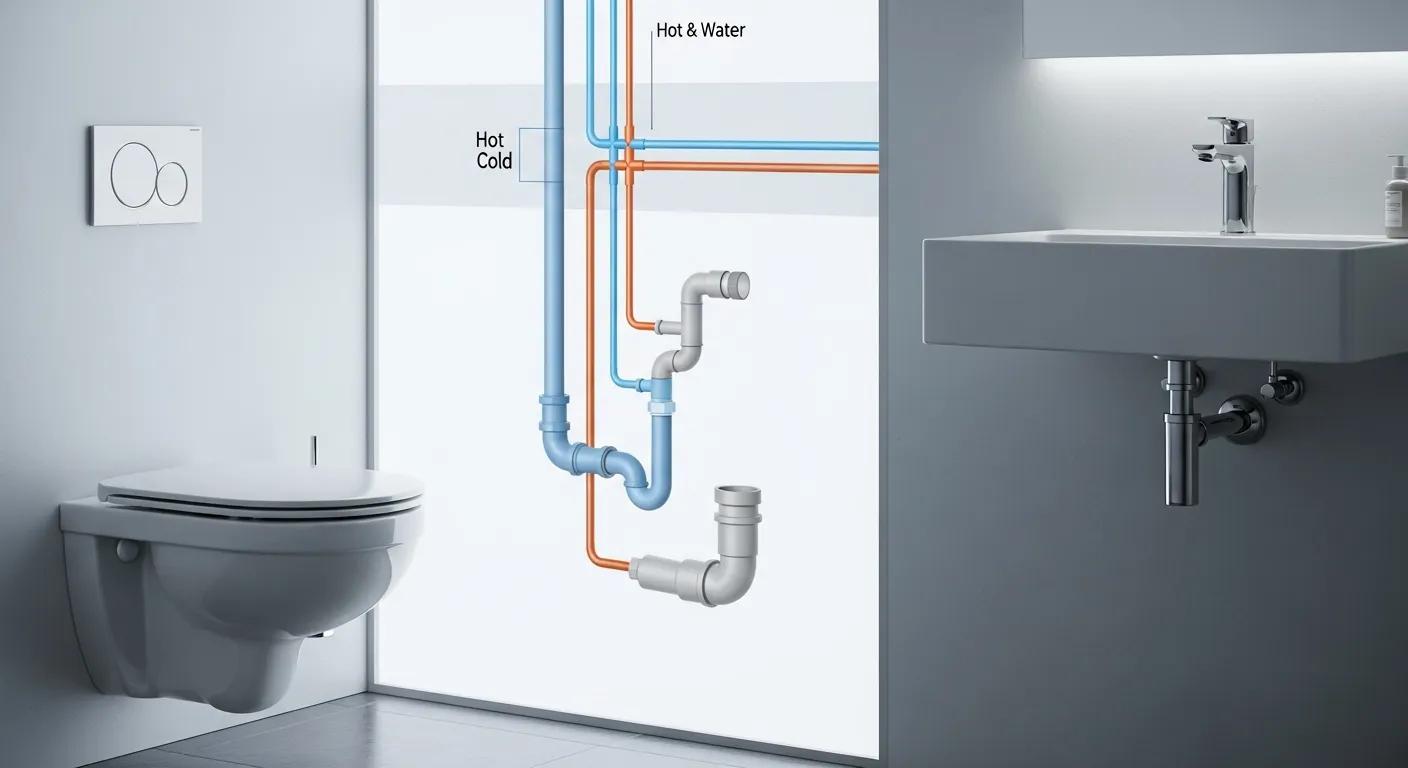
Bathroom Plumbing Problems That Should Never Be Ignored
Bathroom Plumbing: What Every Homeowner Should Know
Small bathroom plumbing problems usually get worse — and cost more — when you ignore them. A slow drain or a steady drip won’t fix itself; left alone, these issues can become leaks, mold, or even structural damage. According to the Insurance Information Institute, water damage and freezing account for nearly 24% of all homeowner property damage claims, with an average cost of over $11,000 per claim. Furthermore, HomeAdvisor reports that while the average cost of a plumbing repair ranges from $175 to $450, emergency repairs can easily exceed $1,000. This guide walks through the bathroom problems that need prompt attention, how to spot them early, typical repair ranges, and simple maintenance you can do to keep things working smoothly. We’ll cover major leaks, sewer odors, and why routine inspections pay off. For comprehensive plumbing solutions and to learn more about our company, visit our site.
Quick repairs pay off: addressing plumbing defects early reduces the chance of bigger damage and higher repair bills.
Residential Plumbing Defects: Early Repair & Cost Savings
Many homeowners report issues with residential plumbing systems. When caught early, most defects are straightforward to fix. Left unchecked, they can cause serious damage and much higher repair bills.
Plumbing defects in residential buildings: analysis of anomalies and their causes, A Gurmu, 2023
Which bathroom plumbing problems are most serious?
Finding serious bathroom plumbing issues early keeps your home safe and usable. Watch for water stains, odd noises, visible leaks, and persistent smells. Ignoring these signs often leads to extensive water damage and costly repairs; the EPA estimates that household leaks alone can waste nearly 1 trillion gallons of water nationwide each year, costing homeowners an average of 10% on their water bills. According to a report by the National Association of Realtors, water damage can reduce a home's value by up to 15% if not addressed promptly, underscoring the importance of early detection. Acting early prevents small problems from becoming emergencies. If you're facing an urgent issue, don't hesitate to contact us for emergency plumbing services.
How to detect major bathroom leaks before they escalate
Major leaks often hide behind walls or under floors. Look for ceiling or wall stains, soft or damp flooring, and mold or mildew. The Environmental Protection Agency (EPA) also estimates that the average household's leaks can account for more than 10,000 gallons of water wasted every year, or the amount of water needed to wash 270 loads of laundry. A study published in the Journal of Water Resources Planning and Management indicated that hidden leaks can go undetected for months, leading to significant structural damage before they become visible. Tools like moisture meters or infrared scans can reveal hidden leaks. Regular visual checks — and quick fixes when you spot trouble — are the best way to avoid big repair bills. For significant leaks or water line repairs, professional help is crucial.
Why a small plumbing issue can turn into a big one
Minor things — a slow drain, a small leak, a dripping tap — rarely resolve themselves. Over time they can cause structural harm, mold, and higher utility bills. Even a seemingly minor leak can lead to significant issues; a study by the American Water Works Association found that small leaks can waste thousands of gallons of water annually. The National Association of Certified Home Inspectors (NACHI) warns that even a small, persistent leak can compromise the structural integrity of wooden beams and subflooring over time, leading to costly repairs that can range from hundreds to thousands of dollars. Fixing small problems quickly keeps your plumbing reliable and reduces the chance of costly emergency work.
Which everyday bathroom problems cause the most damage?
Common problems can escalate fast if left alone. Leaky faucets, clogged drains, and running toilets are frequent culprits — each can lead to water damage, mold, or wasted water when ignored. A survey by the National Association of Home Builders found that plumbing issues are among the top five most common problems reported by homeowners. Recognizing the signs helps you stop small annoyances from becoming major repairs.
What causes leaky faucets and dripping pipes — and why they matter
Leaky faucets and dripping pipes usually stem from worn washers, corroded fittings, or loose parts. Even a slow drip adds up on your water bill and can cause stains, mineral buildup, or rot. For instance, a single leaky faucet dripping at one drip per second can waste more than 3,000 gallons of water per year, enough to take more than 180 showers. Replacing worn parts or tightening fittings promptly saves money and prevents worse damage. We also specialize in bathroom sinks and faucets, as well as kitchen sinks and faucets.
How clogged drains and slow sinks can lead to bigger issues
Slow drains and partial clogs often show as gurgling, standing water, or bad smells. Left untreated they can cause backups, overflows, or pipe damage. Clogged drains are among the most common plumbing issues, with surveys indicating that over 50% of homeowners experience a clogged drain annually. Clearing clogs early with a plunger, drain snake, or trusted cleaner prevents emergency repairs and keeps lines flowing. For persistent issues, consider professional drain cleaning.
How do running toilets and low water pressure affect daily use?
Running toilets and low water pressure waste water and often point to underlying problems. They make routines harder and, if ignored, can be signs of bigger issues that need a pro. Spotting the symptoms helps you get to the root cause sooner.
Signs and typical costs to fix a running toilet
A constantly running toilet wastes a lot of water. Listen for steady flow or hissing, and check for water around the base. A running toilet can waste hundreds of gallons of water per day, potentially adding hundreds of dollars to your annual water bill. Beyond the financial cost, a single running toilet can waste enough water in a year to meet the drinking water needs of a small family for several months, contributing significantly to water scarcity concerns. Common fixes — replacing the flapper or adjusting the float — typically run between $100 and $200, depending on parts and labor in your area. For all toilet repairs, our experts can help.
What causes low water pressure and how it’s fixed
Low pressure can come from clogged aerators, mineral buildup, leaks, or municipal supply issues. The U.S. Geological Survey (USGS) notes that water pressure below 40 pounds per square inch (psi) is generally considered low and can significantly impact daily activities. According to the International Plumbing Code, minimum water pressure should be 20 psi, but optimal residential pressure is typically between 40-60 psi. Deviations often signal underlying issues. You may notice weak faucet or shower flow. A plumber can diagnose the cause; fixes range from cleaning an aerator to repairing pipes, depending on the problem. We also handle bathtub and shower repairs.
What risks do sewer odors, backups, and discolored water pose?
Sewer smells, backups, and discolored water signal potentially serious problems. These can affect health and property — they need quick investigation to avoid contamination, further damage, or larger plumbing failures.
How sewer odors point to bigger problems
Sewer smells in the bathroom can mean broken sewer lines, blocked vents, or damaged seals. These issues may pose health risks; exposure to sewer gas, which can contain harmful gases like hydrogen sulfide and ammonia, can cause symptoms ranging from headaches and nausea to more serious respiratory issues, according to health experts. The Centers for Disease Control and Prevention (CDC) advises that prolonged exposure to sewer gas can cause symptoms ranging from fatigue and dizziness to more severe respiratory problems, especially in enclosed spaces. Such problems should be inspected by a professional plumber right away so the source can be found and fixed correctly. For serious concerns, we offer sewer line repair and installation.
What discolored water says about your plumbing
Brown, yellow, or cloudy water may indicate rusted pipes, corrosion, or contamination. Homes built before the 1970s are more likely to have galvanized steel pipes, which are prone to corrosion and can lead to discolored water, according to the American Society of Home Inspectors (ASHI). The Environmental Working Group (EWG) estimates that millions of American homes still receive water through lead service lines, which can leach lead into drinking water, posing serious health risks, particularly for children. If you see discolored water, consider professional repair or water testing. Fixing the cause quickly restores water quality and prevents further pipe damage. For repair options, see Plumbing Repair and Installations. We also provide home water filtration system installations to ensure clean, clear water.
When should you address water heater issues and noisy pipes?
Water heater problems and noisy pipes hurt comfort and can signal failing components. Strange sounds, leaks, or unreliable hot water are signs to act — prompt repairs keep your bathroom usable and help avoid bigger failures.
How water heater problems affect bathroom comfort
If your hot water is inconsistent, the tank makes odd sounds, or you see leaks, schedule a check right away. The U.S. Department of Energy reports that water heating accounts for about 18% of the average utility bill, and an inefficient or failing water heater can significantly increase this cost. Most conventional tank water heaters have a lifespan of 10-15 years, and delaying replacement when signs of failure appear can lead to catastrophic leaks and significant property damage, with replacement costs often exceeding $1,500. Water heater issues can interrupt showers and lead to larger repairs if ignored. For reliable hot water, explore our hot water heater repairs and installation services.
What gurgling drains and rattling pipes usually mean
Gurgling drains and rattling pipes often mean trapped air, partial blockages, or loose fittings. Don’t ignore these sounds — persistent pipe noises can indicate issues like water hammer, loose pipes, or excessive water pressure, which, if left unaddressed, can lead to pipe damage and leaks, as highlighted by plumbing experts. A survey of plumbing professionals by the Plumbing-Heating-Cooling Contractors—National Association (PHCC) indicated that noisy pipes are among the top five most reported non-emergency plumbing issues, often signaling issues like water hammer or loose pipe supports. Persistent noise can point to a developing problem that may need a plumber’s diagnosis and repair.
What preventive maintenance can homeowners do to avoid major bathroom repairs?

Simple, regular maintenance stops small problems from growing. A few routine checks and basic tasks keep your plumbing working and reduce the chance of costly repairs later. Studies show that proactive home maintenance can save homeowners 1% to 4% of their home's value annually in avoided repair costs, with plumbing being a significant contributor to these savings.
How often should you have bathroom plumbing inspected?
We recommend a professional plumbing inspection at least every two years. Annual inspections are better if your home is older or you’ve had recent issues. The National Association of Home Inspectors recommends annual plumbing inspections to prevent costly repairs and extend the lifespan of your plumbing system. A study by the National Association of Real Estate Appraisers found that well-maintained plumbing systems can increase a home's resale value by 2-3%, making regular inspections a worthwhile investment. Pair professional checks with regular homeowner inspections of drains, fixtures, and water pressure to catch trouble early and save money over time.
Easy DIY maintenance tips to prevent major problems
Homeowners can take these straightforward steps to reduce plumbing risk:
Check for leaks regularly: Inspect under sinks, behind toilets, and around fixtures for damp spots or drips.
Clear clogs quickly: Use a plunger or drain snake at the first sign of slow drainage to avoid backups.
Service your water heater: Flush the tank yearly to remove sediment and keep the heater efficient.
Maintenance TaskFrequencyBenefitInspect for leaksAnnuallyStops minor leaks before they cause water damageClear clogsAs neededKeeps drains flowing and prevents backupsFlush water heaterAnnuallyImproves efficiency and extends equipment life
The American Society of Home Inspectors (ASHI) emphasizes that simple homeowner checks, like inspecting for leaks and clearing minor clogs, can prevent up to 40% of common plumbing emergencies. Being proactive with these simple tasks helps you avoid expensive repairs and keeps your bathroom plumbing reliable for years.
Beyond the bathroom, our expertise extends to a full range of residential plumbing needs, including sump pumps, pool pump installation and servicing, garbage disposal repairs and installations, gas line repair, and even water coolers. Whatever your plumbing needs, our team is ready to provide expert service. Contact us today to schedule a service or learn more about how we can help.
Frequently Asked Questions
What are the signs that my bathroom plumbing needs immediate attention?
Urgent signs include persistent leaks, unusual noises like gurgling or hissing, and strong sewer or sewage smells. Also watch for water stains on walls or ceilings, slow drainage, and discolored water. If you see any of these, act quickly to limit damage and expense.
How can I improve the water pressure in my bathroom?
Start by cleaning or replacing clogged aerators and showerheads — mineral buildup is a common cause. Soaking fixtures in vinegar can help. If pressure stays low, check for leaks or consult a plumber to inspect the supply line; sometimes the issue lies with the municipal supply.
What should I do if my bathroom faucet is leaking?
Turn off the water supply, then check the faucet’s washers, O-rings, and seals. Replacing worn parts often fixes the leak. If the problem continues or you’re not comfortable making the repair, call a plumber to ensure it’s done right and to prevent water damage.
How can I tell if my toilet needs to be replaced?
Consider replacement if you have frequent clogs, visible cracks in the bowl or tank, or ongoing leaks. Toilets over 25 years old are often less efficient and more prone to issues. Water pooling at the base or constant running are strong signs something needs attention — replacing the unit may save water and headaches.
What are the risks of ignoring minor plumbing issues?
Small problems can lead to major risks: extensive water damage, mold growth, and much higher repair costs. Indeed, the average cost of water damage claims has steadily risen, with some reports indicating that a burst pipe can cause upwards of $5,000 in damage, not including potential mold remediation. Minor leaks can worsen and damage structures, while untreated clogs can cause sewage backups and health hazards. Regular maintenance and prompt fixes prevent these outcomes.
How can I maintain my bathroom plumbing to avoid future issues?
Do regular inspections for leaks and clogs, clear drains promptly, and avoid flushing non-biodegradable items. Schedule professional inspections every couple of years, flush your water heater yearly, and check fixtures for mineral buildup. Simple upkeep extends the life of your system and reduces costly repairs.
What should I do if I smell sewer gas in my bathroom?
Act quickly. Sewer gas smells can come from broken sewer lines, blocked vent pipes, or dry traps. Make sure drains have water in their traps and check for visible leaks. If the smell continues, call a plumber to find and fix the source — it’s a health concern and shouldn’t be ignored.
What should I do if I notice a sudden increase in my water bill?
A sudden jump usually signals a hidden leak or a running toilet. Check visible fixtures, toilets, and exposed pipes first. If you don’t find anything, use the water meter to track usage or shut off water to sections of the house to isolate the leak. If the spike continues, call a plumber for a full inspection — early detection saves money and damage.
How can I tell if my plumbing system is outdated?
Frequent leaks, low pressure, discolored water, or the presence of galvanized or lead pipes are signs of old plumbing. If your home is several decades old and hasn’t had upgrades, schedule an inspection. Updating plumbing improves water quality, reduces repairs, and increases safety.
Are there any specific maintenance tasks I should perform seasonally?
Yes. In fall, check for leaks and insulate exposed pipes to prevent freezing. In spring, inspect and flush your water heater to remove sediment. Also clear gutters and downspouts to keep water away from your foundation. Seasonal checks catch problems before they get worse.
What are the benefits of regular plumbing inspections?
Regular inspections catch small issues before they become expensive problems. A plumber can find hidden leaks, corrosion, and worn parts you might miss and provide maintenance tips tailored to your home. That keeps your system running longer and more efficiently.
How can I prevent mold growth related to plumbing issues?
Prevent mold by fixing leaks and drying damp areas quickly. Check under sinks and around toilets for moisture and make sure the bathroom has good ventilation. If you find mold, clean it safely and repair the moisture source. Using mold-resistant materials when updating also helps.
What should I do if I experience frequent clogs in my bathroom?
Start with a plunger or drain snake. Try a natural cleaner like baking soda and vinegar if needed, and stop flushing non-biodegradable items. If clogs persist, call a plumber — the cause could be deeper in the system or due to tree roots or pipe damage.
Is it worth investing in a plumbing warranty or service plan?
A plumbing warranty or service plan can offer peace of mind and save money on unexpected repairs. Plans often cover routine maintenance and emergency calls — read the terms so you know what’s included. For older homes or properties with frequent issues, a plan can be a smart investment.

Don’t let that drip turn into a disaster
Small leaks have a funny way of becoming big problems — fast. Whether it’s an annoying faucet, a slow drain, or a full-blown plumbing emergency, Law Plumbing is ready to help. We respond quickly, show up on time, and fix things right the first time. No surprises. No pressure. Just honest work from people who know plumbing.
Let’s get your plumbing back on track — without the runaround.
With over 12 years of experience, we’ve seen it all — and fixed it all!
Licensed in West Virginia and Ohio.
Proud members of the Marietta/Parkersburg Contractors Association.
WV Lic. #053806 | OH Lic. #51303
24/7 plumbing emergency? We’re already on our way

LOCALLY OWNED, COMMUNITY FOCUSED
We’re not a chain, a franchise, or a mystery number in a call center. We’re your neighbors — and we take pride in serving our community with honest work and real results.

EMERGENCY SERVICES
Middle of the night? Sunday afternoon? Holiday weekend? We’ve got you. Plumbing disasters don’t follow a schedule, so neither do we.

SKILLED & TRAINED
PERSONNEL
Our plumbers aren’t just good — they’re certified, experienced, and constantly trained on the latest tools and techniques. So you’re not just getting speed, you’re getting skill.

FAST RELIABLE SERVICE
We don’t drag our feet. Our team responds quickly, arrives on time, and comes prepared to fix the issue on the spot — no drawn-out delays or mystery time windows.
Still thinking about it? Your pipes aren’t.
Plumbing issues don’t get better with time — they get louder, leakier, and more expensive. Whether you need a quick fix or a full install, Law Plumbing is ready to roll.
No pressure. Just solid work, honest pricing, and a team that actually shows up.
Testimonials
Serving Your Area With Trusted Plumbing Solutions