Blogs
Got a leak that won’t quit? Wondering whether your water heater’s on its last leg? Or maybe you just want to learn how to avoid a plumbing disaster at 2 a.m. — we’ve got you. Our blog is where we break down the most common (and not-so-common) plumbing issues, answer real homeowner questions, and offer tips to keep your pipes happy and your wallet intact. No fluff. No fear tactics. Just solid advice from licensed professionals who know what they’re doing — and aren’t afraid to explain it.
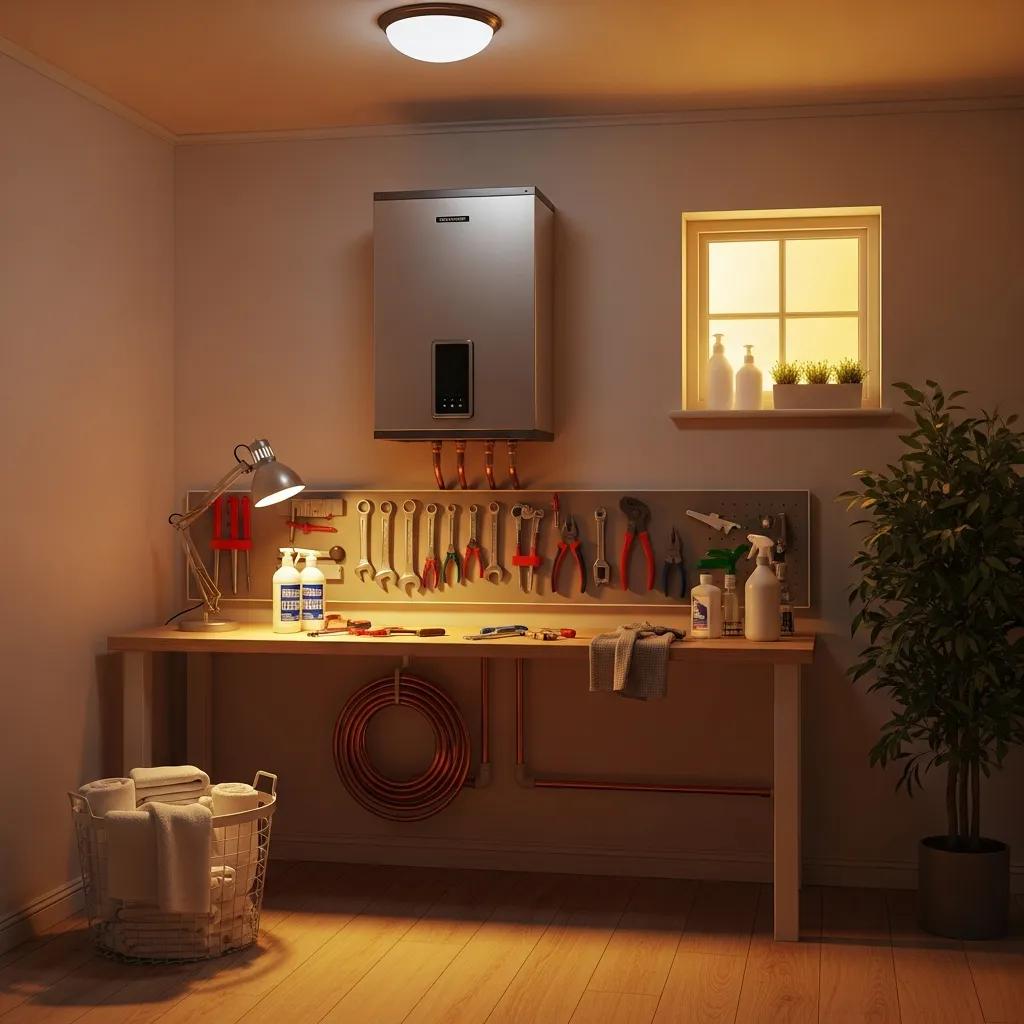
When Should You Replace a Water Heater Instead of Repairing It?
When to Repair or Replace Your Water Heater: Straightforward Advice for Mid-Ohio Valley Homeowners
Deciding whether to repair or replace a water heater can feel overwhelming. Knowing how long your unit should last, spotting the warning signs, and weighing repair costs against replacement can make the choice much easier. This guide delivers practical, local advice for Mid-Ohio Valley homeowners, so you can make a confident decision about maintenance or upgrades. We’ll walk through typical lifespans, clear red flags, the upsides of newer systems, and where to find trusted service nearby.
How Long Do Water Heaters Typically Last?
Your water heater is one of the home’s workhorses — and how long it lasts depends on the type and how well you care for it. Most traditional tank heaters run 8 to 12 years with routine maintenance, while tankless units often reach 20 years or more. Things like hard water, heavy household use, and skipped maintenance shorten life expectancy. Checking your unit’s age helps you decide whether repairs are worth it.
What Is the Average Lifespan of Tank and Tankless Water Heaters?

Generally, tank-style water heaters last about 8–12 years. Tankless models, with proper maintenance, often last 20 years or longer. Regular tasks like flushing the tank and checking the anode rod make a real difference in how long either system performs well.
How Can You Determine Your Water Heater’s Age?
Find the serial number on the unit — most manufacturers include the production date in that code. The manufacturer’s website or manual usually explains how to read the serial number. Knowing the age helps you decide if a repair is a short-term fix or you’re better off planning a replacement.
What Are the Key Signs Your Water Heater Needs Replacement?
Catching problems early can prevent cold showers and costly damage. Common red flags include visible leaks, rusty hot water, and a complete loss of hot water. When these show up — especially on an older unit — replacement may be the smarter, more economical choice.
Which Common Issues Indicate Water Heater Failure?
Leaks: Water pooling around the base usually means the tank or fittings are failing and shouldn’t be ignored.
Rusty Water: Brown or rusty hot water points to internal corrosion and a tank that may soon fail.
No Hot Water: If your heater stops producing hot water, the elements, burners, or thermostat could be at fault — or the unit may be reaching the end of its life.
When Is It More Cost-Effective to Replace Rather Than Repair?

A practical rule of thumb is this: if a repair costs more than about 50% of a new unit, replacement usually makes more sense. Also factor in the heater’s age — pouring money into an appliance near the end of its expected life often isn’t a good investment.
Think long-term: a new unit can be more reliable and energy-efficient, saving you money and hassle down the road.
When Should You Opt for Water Heater Repair Instead of Replacement?
Replacement isn’t always necessary. If the issue is minor and the unit is otherwise in good condition, a repair can extend service life and delay replacement without breaking the bank.
What Minor Problems Can Be Fixed to Extend Water Heater Life?
Many small problems are fixable: a bad thermostat, a failing heating element, or sediment buildup are common and often reversible. Routine maintenance — flushing the tank and swapping the anode rod — prevents corrosion and keeps the system running longer.
How Do Repair Costs Compare to Replacement Expenses?
Repair prices vary by the problem. Small fixes typically run between $150 and $400, while a full replacement usually exceeds $1,000. Compare the repair estimate to replacement cost and consider the unit’s age and condition before deciding.
What Are the Benefits of Upgrading to a New Water Heater, Especially Tankless Models?
Upgrading can bring better efficiency, more consistent hot water, and lower operating costs. Tankless systems, in particular, offer strong advantages for many households.
How Do Tankless Water Heaters Improve Energy Efficiency and Performance?
Tankless heaters warm water on demand, so they don’t keep a tank heated all day — that lowers energy use. They also deliver a nearly endless supply of hot water, which helps in homes with high peak demand.
What Long-Term Savings and Features Do New Water Heaters Offer?
Modern units often have better insulation, improved burners or elements, and smart features that optimize performance. Those upgrades can reduce energy bills and may raise your home’s resale appeal. Over time, efficiency gains and fewer repairs can offset the higher upfront cost.
How Much Does Water Heater Replacement Cost in the Mid-Ohio Valley?
Replacement costs depend on the type of unit and installation complexity. Local labor rates and any required upgrades to gas, venting, or electrical will affect the final price.
What Are Typical Costs for Tank vs. Tankless Water Heater Installation?
Expect traditional tank installations to land roughly between $800 and $1,500. Tankless systems, including installation, typically range from $1,200 to $3,000. The exact number depends on unit size, installation difficulty, and local labor.
Are There Local Rebates or Incentives for Energy-Efficient Water Heaters?
Yes — many utilities offer rebates or incentives for energy-efficient units. Those programs can help lower the upfront cost of an efficient replacement, so check local offerings when shopping for a new heater.
Where Can You Find Reliable Water Heater Repair and Replacement Services Locally?
Choosing a reputable local plumber guarantees the work is done right and gives you someone to call if issues appear later. Look for licensed pros with local references and clear pricing.
What Makes Law Plumbing Services the Trusted Choice in Belpre, OH and Parkersburg, WV?
Law Plumbing Services is a locally owned team serving Belpre and the Mid-Ohio Valley, including Parkersburg. Learn more about our company and our commitment to quick response, honest estimates, and workmanship you can trust. We handle expert water heater repairs, installations, and routine maintenance, alongside a full range of other essential plumbing services. This includes drain cleaning, toilet repairs, sump pump installations, water line repairs, sewer line repairs, home water filtration system installations, and repairs for fixtures like bathtubs and showers, kitchen sinks and faucets, bathroom sinks and faucets, and garbage disposals. Our experience ensures we’ll recommend the option that fits your home and budget — not the most expensive one.
How Does 24/7 Emergency Service Support Water Heater Issues?
Unexpected failures don’t wait for business hours. Our 24/7 emergency service gets you help fast, preventing water damage and restoring hot water quickly so your home stays comfortable and safe.
Water Heater TypeAverage LifespanTypical Cost RangeTank Water Heater8-12 years$800 - $1,500Tankless Water Heater20+ years$1,200 - $3,000
In short, knowing the age of your heater, watching for warning signs, and weighing repair costs against replacement will help you avoid surprises. When you need help, local pros can assess your situation and recommend the right, cost-effective path forward. Contact us today for reliable service.
Frequently Asked Questions
What are the environmental benefits of upgrading to a new water heater?
Upgrading to a newer, energy-efficient model cuts your home’s energy use and carbon footprint. Tankless units only heat water when you need it, reducing standby losses. Newer systems also use improved materials and designs that can be more recyclable and less wasteful overall.
How can regular maintenance extend the life of my water heater?
Routine care prevents common failures. Flushing removes sediment that wears out parts, inspecting the anode rod slows corrosion, and checking controls keeps the unit running efficiently. Annual professional checks catch small problems before they become major repairs.
What should I consider when choosing between a tank and tankless water heater?
Think about your household’s hot-water needs, available space, and budget. Tank heaters cost less up front and are straightforward to install, but they take space and can run out during peak use. Tankless units save energy and supply continuous hot water, but they cost more initially and sometimes need electrical or gas upgrades.
Are there financing options available for water heater replacement?
Yes. Many plumbers and retailers offer payment plans or financing to spread out the cost. Also look for local rebates or utility incentives for efficient models that can lower the net price. Ask your installer about financing when you get estimates.
What are the safety concerns associated with old water heaters?
Older heaters can leak, corrode, or fail, creating water damage or scalding risks. Gas-fired units that aren’t properly maintained can produce carbon monoxide. Regular inspections and timely replacement reduce those safety risks.
How can I improve the energy efficiency of my existing water heater?
You can boost efficiency by insulating the tank and hot-water pipes, setting the thermostat to about 120°F, flushing the tank annually, and replacing a worn anode rod. A timer or smart controller can also reduce heating during low-use hours.

Don’t let that drip turn into a disaster
Small leaks have a funny way of becoming big problems — fast. Whether it’s an annoying faucet, a slow drain, or a full-blown plumbing emergency, Law Plumbing is ready to help. We respond quickly, show up on time, and fix things right the first time. No surprises. No pressure. Just honest work from people who know plumbing.
Let’s get your plumbing back on track — without the runaround.
With over 12 years of experience, we’ve seen it all — and fixed it all!
Licensed in West Virginia and Ohio.
Proud members of the Marietta/Parkersburg Contractors Association.
WV Lic. #053806 | OH Lic. #51303
24/7 plumbing emergency? We’re already on our way

LOCALLY OWNED, COMMUNITY FOCUSED
We’re not a chain, a franchise, or a mystery number in a call center. We’re your neighbors — and we take pride in serving our community with honest work and real results.

EMERGENCY SERVICES
Middle of the night? Sunday afternoon? Holiday weekend? We’ve got you. Plumbing disasters don’t follow a schedule, so neither do we.

SKILLED & TRAINED
PERSONNEL
Our plumbers aren’t just good — they’re certified, experienced, and constantly trained on the latest tools and techniques. So you’re not just getting speed, you’re getting skill.

FAST RELIABLE SERVICE
We don’t drag our feet. Our team responds quickly, arrives on time, and comes prepared to fix the issue on the spot — no drawn-out delays or mystery time windows.
Still thinking about it? Your pipes aren’t.
Plumbing issues don’t get better with time — they get louder, leakier, and more expensive. Whether you need a quick fix or a full install, Law Plumbing is ready to roll.
No pressure. Just solid work, honest pricing, and a team that actually shows up.
Testimonials
Serving Your Area With Trusted Plumbing Solutions