Blogs
Got a leak that won’t quit? Wondering whether your water heater’s on its last leg? Or maybe you just want to learn how to avoid a plumbing disaster at 2 a.m. — we’ve got you. Our blog is where we break down the most common (and not-so-common) plumbing issues, answer real homeowner questions, and offer tips to keep your pipes happy and your wallet intact. No fluff. No fear tactics. Just solid advice from licensed professionals who know what they’re doing — and aren’t afraid to explain it.
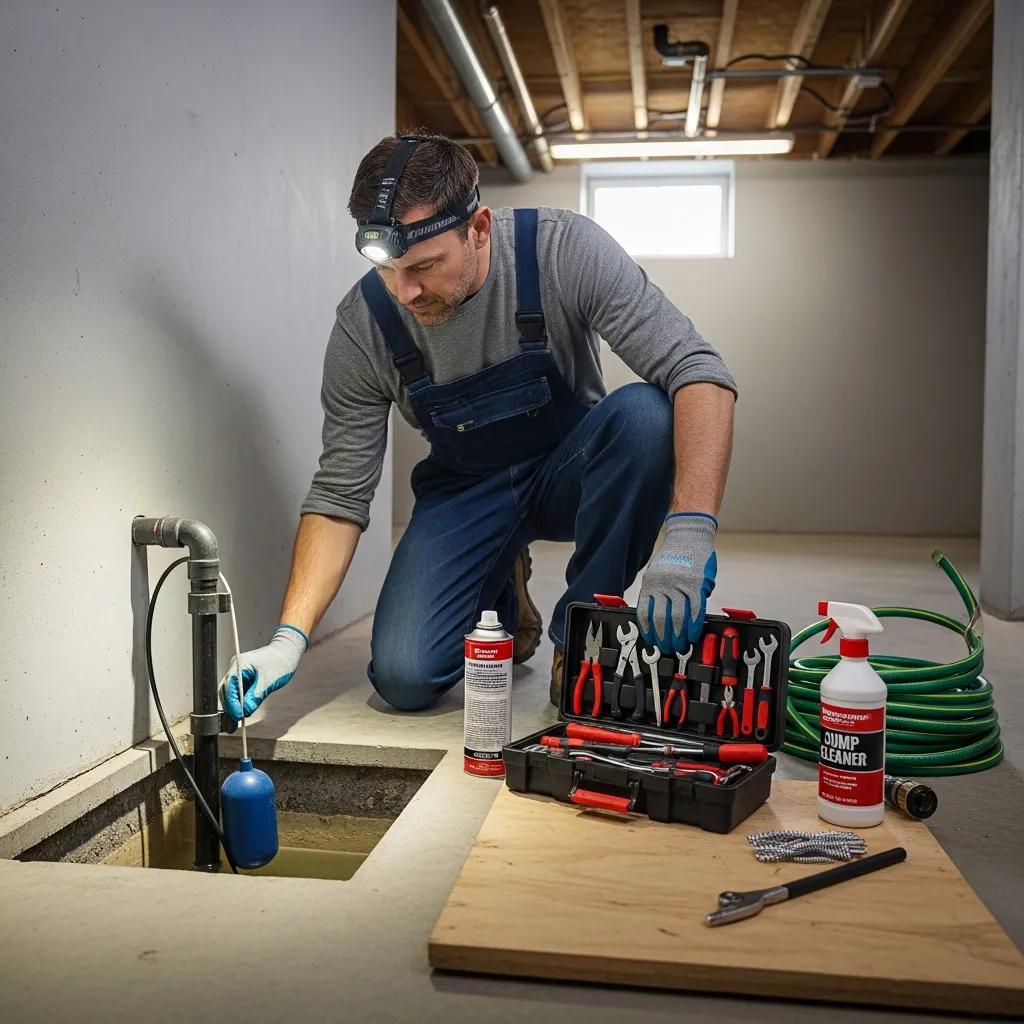
What Are the Signs Your Sump Pump Is About to Fail?
Is Your Sump Pump About to Fail? Essential Warning Signs and Quick Troubleshooting
A sump pump is one of the most important defenses homeowners have against basement flooding. Spotting early warning signs can save you from costly repairs and the headache of water damage. This guide helps you recognize what to look for, why those problems happen, and the first steps to take to protect your home. Catching issues early means less stress and a dryer, safer property.
Most Common Warning Signs of a Failing Sump Pump
Knowing the typical signs of trouble gives you time to act before water becomes a real problem.
Unusual Noises: Strange sounds are often an early indicator. Grinding usually points to impeller or bearing trouble; rattling can mean loose or broken parts.
Continuous Running: A pump that never stops may have a stuck float switch, a failed check valve, or it may be struggling against a high water table. If it rarely cycles, the pump could be undersized for the job.
Visible Rust or Corrosion: Corrosion on the pump or fittings is a red flag—rust weakens components and raises the chance of leaks or mechanical failure.
Which Noises Point to Sump Pump Problems?

Certain sounds tell a story: grinding usually means the impeller or motor bearings are wearing out, while rattling suggests loose parts or debris. If you hear either, turn the unit off and inspect it or call a pro—ignoring noise can lead to a full failure.
Why Continuous Running or Rare Cycling Matters
How your pump runs reveals a lot. Constant operation can be caused by a stuck float, a faulty check valve, or persistent high groundwater. On the flip side, infrequent cycling often means the pump can’t keep up during heavy rain. Track run patterns so you can address issues before they become emergencies.
How Rust, Corrosion, and Excessive Vibration Reveal Problems
Physical signs like rust and vibration are clear, visible clues about a pump’s health and whether it needs service or replacement.
Rust and Corrosion: These show that parts are aging or exposed to corrosive conditions. Corrosion can lead to leaks and mechanical failure if not addressed.
Excessive Vibrations: Vibrations can mean motor problems, impeller damage, or misalignment—conditions that accelerate wear and can cause sudden failure.
What Rust and Corrosion Mean for Your Pump’s Health
Rust and corrosion reduce a pump’s reliability and can cause leaks or seizing parts. If you spot corrosion, plan for repair or replacement—especially if the unit is several years old.
When Vibrations Signal Impending Failure
Noticeable vibration often indicates internal damage or imbalance. Left unchecked, these issues worsen quickly. If the pump vibrates more than usual, shut it down and have it inspected to avoid a breakdown.
Why a Sump Pump Might Not Turn On or Move Water Properly
Several common problems prevent a sump pump from operating as it should—many of them are avoidable with routine checks.
Power Outages: Without power, a standard sump pump won’t run. That’s when basements are most at risk—during storms and heavy rain.
Float Switch Malfunctions: If the float can’t move freely or the switch fails, the pump won’t start when it needs to.
Clogged Discharge Lines or Intake Blockages: Debris or sediment can choke the intake or discharge, reducing flow and forcing the pump to overwork.
How Power Outages and Float Switch Failures Affect Operation
Power failures are common during storms—exactly when pumps are needed most. Float switch problems can also prevent activation. Regular checks and a battery backup can keep your pump working when it matters.
Effects of Clogged Discharge Lines and Intake Blockages
Clogs reduce flow, make the motor work harder, and can cause overheating or complete failure. Clear lines and screens regularly to keep the pump running efficiently.
How Age and Lifespan Affect Failure Risk
Age is a big factor in reliability. Knowing typical lifespans and warning signs helps you plan replacements before an emergency.
Typical Lifespan: Most residential sump pumps last about 7 to 10 years, depending on use and maintenance. Plan ahead if yours is in that range.
Wear and Tear: Parts wear down over time—regular inspections and simple maintenance can extend service life.
Typical Lifespan and When to Replace Your Pump
If your pump is nearing 7–10 years or shows persistent issues—rust, odd noises, frequent repairs—start budgeting for a replacement. Newer models offer better reliability and efficiency.
How Wear and Tear Impacts Performance Over Time
As components degrade, efficiency drops and failure risk rises. Preventative care—cleaning, testing, and part replacement—helps keep the pump dependable.
Immediate Steps to Take When You Notice Signs of Sump Pump Trouble
Acting quickly can limit damage. Follow these steps as a first response.
Check the Power Supply: Make sure the pump is plugged in, and the breaker hasn’t tripped. If the outage is the issue, use a battery backup or generator if available.
Inspect the Float Switch: Look for obstructions or tangles that stop the float from moving.
Clear Any Blockages: Check discharge lines and the intake for debris and remove any clogs so water can flow freely.
Troubleshooting Emergency Sump Pump Issues: A Quick Checklist
Start with power and float movement, then check for clogs. If the pump still won’t run or you’re seeing leaks, noises, or signs of motor trouble, shut it off and call a professional.
When to Call Law Plumbing Services for Professional Repair
If problems persist after basic troubleshooting, or if your basement is at risk of flooding, contact Law Plumbing Services for professional repair. Our technicians can diagnose issues quickly and handle emergency repairs to protect your home. To learn more about our company or contact us directly for assistance.
Beyond sump pump issues, Law Plumbing Services offers comprehensive solutions for all your home's plumbing needs, including water heater repairs and installations, sewer and water line repairs, gas line services, and home water filtration systems. We also handle toilet repairs, bathtub and shower repairs, kitchen and bathroom sink and faucet services, garbage disposal installations, pool pump servicing, and water cooler installations.
Preventative Maintenance to Extend Your Pump’s Lifespan and Reliability

Routine maintenance keeps your sump pump ready for heavy weather. Simple seasonal checks go a long way toward preventing failures.
Regular Inspections: Inspect the pump, pit, and float on a regular schedule to catch issues early.
Battery Backup Systems: Install a battery backup so the pump continues running during power outages.
Maintenance Tasks Mid-Ohio Valley Homeowners Should Prioritize
Residents of the Mid-Ohio Valley should perform seasonal checks: ensure the float moves freely, clear discharge lines, and run a test cycle before storm season. These steps reduce the chance of unexpected failures.How Battery Backup Systems Prevent Failure During Power Outages
A battery backup keeps the pump operating when the grid goes down—often when you need it most. Backups provide peace of mind and can buy you hours of protection during storms.
Maintenance TaskFrequencyWhy it mattersInspect float switchMonthlyEnsures the pump activates when water risesClear discharge linesQuarterlyPrevents clogs and backups that strain the pumpTest pump operationBiannuallyConfirms the unit runs and drains correctly
Use this checklist to keep your pump reliable—small, regular steps prevent big, expensive problems when storms hit.
Frequently Asked Questions
What are the advantages of having a battery backup for my sump pump?
A battery backup keeps your sump pump working through power outages—exactly when heavy rain can cause flooding. Many backup systems include alarms and status indicators so you know if the system is charging or needs attention. For reliable protection during storms, a backup is a smart investment.
How can I test if my sump pump is working properly?
Pour a bucket of water into the sump pit—your pump should turn on, remove the water, and shut off as the float lowers. Watch for smooth operation, listen for unusual noises, and confirm the discharge line is clear. Test every few months and before storm season.
What should I do if my sump pump is making strange noises?
Turn the pump off and inspect for debris or loose parts. Grinding often points to impeller or bearing wear; rattling can mean a loose housing or debris. If you can’t find the cause or the noise continues, call a professional to avoid further damage.
How can I prevent my sump pump from freezing in winter?
Insulate and slope the discharge line away from your foundation so water drains freely. Use heat tape or insulated sleeves on exposed pipe, and consider a pump with built-in freeze protection if your pit is in an unheated area. Check lines during cold spells for ice buildup.
What are the common mistakes to avoid when maintaining a sump pump?
Don’t skip regular inspections, ignore odd noises, or neglect discharge lines. Failing to test the pump periodically and not clearing the pit of debris are common mistakes that lead to preventable failures.
When should I consider upgrading my sump pump?
Consider an upgrade if your pump is older than 7–10 years, has frequent issues, makes persistent noise, or fails to keep your basement dry. New models offer better efficiency, longer life, and improved reliability—worth considering if you’ve had recurring problems.

Don’t let that drip turn into a disaster
Small leaks have a funny way of becoming big problems — fast. Whether it’s an annoying faucet, a slow drain, or a full-blown plumbing emergency, Law Plumbing is ready to help. We respond quickly, show up on time, and fix things right the first time. No surprises. No pressure. Just honest work from people who know plumbing.
Let’s get your plumbing back on track — without the runaround.
With over 12 years of experience, we’ve seen it all — and fixed it all!
Licensed in West Virginia and Ohio.
Proud members of the Marietta/Parkersburg Contractors Association.
WV Lic. #053806 | OH Lic. #51303
24/7 plumbing emergency? We’re already on our way

LOCALLY OWNED, COMMUNITY FOCUSED
We’re not a chain, a franchise, or a mystery number in a call center. We’re your neighbors — and we take pride in serving our community with honest work and real results.

EMERGENCY SERVICES
Middle of the night? Sunday afternoon? Holiday weekend? We’ve got you. Plumbing disasters don’t follow a schedule, so neither do we.

SKILLED & TRAINED
PERSONNEL
Our plumbers aren’t just good — they’re certified, experienced, and constantly trained on the latest tools and techniques. So you’re not just getting speed, you’re getting skill.

FAST RELIABLE SERVICE
We don’t drag our feet. Our team responds quickly, arrives on time, and comes prepared to fix the issue on the spot — no drawn-out delays or mystery time windows.
Still thinking about it? Your pipes aren’t.
Plumbing issues don’t get better with time — they get louder, leakier, and more expensive. Whether you need a quick fix or a full install, Law Plumbing is ready to roll.
No pressure. Just solid work, honest pricing, and a team that actually shows up.
Testimonials
Serving Your Area With Trusted Plumbing Solutions