Blogs
Got a leak that won’t quit? Wondering whether your water heater’s on its last leg? Or maybe you just want to learn how to avoid a plumbing disaster at 2 a.m. — we’ve got you. Our blog is where we break down the most common (and not-so-common) plumbing issues, answer real homeowner questions, and offer tips to keep your pipes happy and your wallet intact. No fluff. No fear tactics. Just solid advice from licensed professionals who know what they’re doing — and aren’t afraid to explain it.
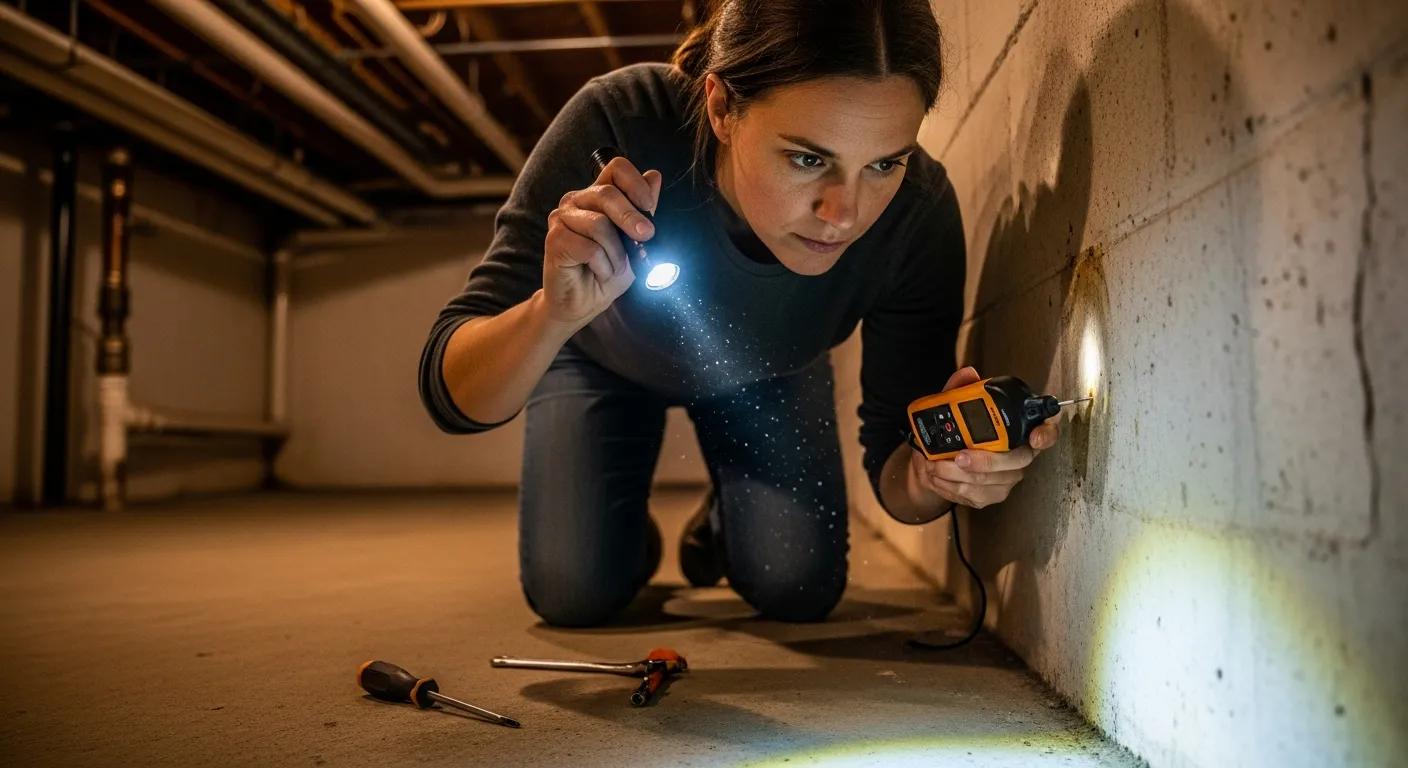
Water Line Repair: Signs Your Home Has a Hidden Leak
Catch Water Leaks Early: Expert Strategies for Home Protection
Undetected water leaks, though often starting subtly, pose a significant threat to your property, leading to substantial financial burdens, structural damage, and potential health hazards from mold growth. This comprehensive guide, informed by industry best practices and expert insights, outlines critical warning signs and proactive measures to ensure rapid intervention—transforming a minor drip into a manageable repair rather than a catastrophic event. We delve into internal and external indicators, the significance of unusual sounds and odors, the advanced tools utilized by professionals, and when to engage emergency plumbing services. By mastering these strategies, homeowners can effectively safeguard their investment and ensure timely professional assistance. Industry reports consistently highlight the severe financial implications, with the average cost of a water damage claim in the U.S. reaching approximately $11,000, underscoring the imperative of early detection.
The Insurance Information Institute reports that water damage accounts for nearly 25% of all homeowner property losses, incurring billions in annual costs. Proactive and early detection is unequivocally the most effective strategy for mitigating these significant financial and structural impacts. According to the National Association of Insurance Commissioners, water damage claims have increased by over 30% in the past decade, emphasizing the growing importance of vigilance.
Critical Signs of a Hidden Water Leak in Your Home
Identifying a hidden leak often hinges on recognizing subtle yet persistent changes. Key indicators include unexplained increases in water bills, the appearance of visible stains or mold, or noticeable fluctuations in water pressure. Prompt detection is paramount to avert extensive and costly repairs. Diligent monitoring of daily water consumption and regular inspection of persistently damp areas are crucial. Even a seemingly minor, continuous leak can waste thousands of gallons of water annually, translating into hundreds of dollars on your utility bill and contributing to significant water waste. The Environmental Protection Agency (EPA) estimates that household leaks can waste nearly 1 trillion gallons of water annually nationwide, enough to supply 11 million homes.
Is a Suddenly High Water Bill a Definitive Sign of a Leak?
An abrupt and unexplained surge in your water bill is one of the most unequivocal indicators of a hidden plumbing issue. This typically signifies water escaping from a concealed location within your system. Even small drips accumulate rapidly. If your water meter registers activity when all fixtures are off, or your bill spikes without a corresponding increase in usage, immediate investigation is warranted. Contact us for a professional inspection to accurately diagnose the problem. For example, the Environmental Protection Agency (EPA) estimates that a faucet dripping once per second can waste over 3,000 gallons per year, an amount sufficient to fill a small swimming pool. The American Water Works Association notes that fixing easily corrected household leaks can save homeowners about 10% on their water bills.
The Unmistakable Warnings of Water Stains and Mold
Persistent stains on ceilings, walls, or floors are direct evidence of moisture intrusion behind the surface. Mold and mildew thrive in damp environments and are frequently accompanied by a distinct musty odor. Regular inspections of basements, bathrooms, and areas beneath sinks are critical, as these are common sites for leaks, often originating from issues with kitchen sinks and faucets or bathroom sinks and faucets. Mold can initiate growth on damp surfaces within a mere 24 to 48 hours, emphasizing the critical importance of swift detection to prevent its proliferation and associated health risks. The Centers for Disease Control and Prevention (CDC) highlights that mold exposure can cause respiratory issues, allergic reactions, and exacerbate asthma symptoms.
Leveraging Auditory and Olfactory Cues for Leak Detection

Your senses of hearing and smell are remarkably effective, non-invasive tools for early leak detection. Unusual sounds or a persistent damp odor frequently manifest before any visible damage becomes apparent. Understanding what to listen and smell for empowers you to act decisively. Research consistently demonstrates that homeowners often identify leaks through auditory or olfactory cues prior to visible signs, underscoring the diagnostic value of these senses.
The Significance of Hearing Running Water When Taps Are Off
The sound of running water when no faucets or appliances are in use is a strong indication of a leak within your plumbing system. Attempt to localize the sound, as it can guide you to the general vicinity of the problem. To confirm, shut off your main water supply; if the sound persists, a leak is confirmed, and immediate action is required. Contact a professional plumber without delay. Ignoring such a sign can lead to rapid and severe property damage. Experts estimate that a single hidden leak can waste hundreds of gallons of water daily, resulting in substantial property damage over time. According to the American Society of Plumbing Engineers, acoustic leak detection can reduce water loss by up to 20% in municipal systems, illustrating its effectiveness.
How Musty or Damp Smells Indicate a Hidden Leak
A persistent musty or damp odor is a definitive signal of concealed moisture and potential mold growth. If these odors are present, thoroughly inspect nearby walls, floors, and closets. Addressing the source of the moisture promptly is crucial to prevent mold from spreading and to minimize the scope of necessary repairs. The presence of a persistent musty odor is a robust indicator of microbial growth, which thrives in the damp, unventilated conditions created by leaks. The Environmental Protection Agency recommends addressing moisture problems within 24-48 hours to prevent mold growth.
Exterior Indicators of Underground or Main Line Leaks
Your outdoor environment can provide crucial clues regarding underground leaks. Soft or sinking ground, persistently wet spots, or sudden depressions in your lawn are all warning signs that demand attention. Early detection of these exterior indicators can prevent extensive damage to your landscaping and, critically, protect your home's foundation. For comprehensive solutions, explore our specialized water line repair services. Repairing an underground water line can incur costs ranging from $1,500 to $6,000, depending on the leak's location and severity, making early detection an essential component of cost control. The American Water Works Association reports that underground leaks account for nearly 14% of total water loss in distribution systems.
The Meaning Behind Wet Spots and Foundation Cracks
Wet patches that remain saturated even during dry weather are strong indicators of an underground leak. Excessive moisture can destabilize soil, potentially leading to foundation shifts and cracks. If you observe persistent dampness near your foundation, a professional inspection is imperative. Foundation repairs resulting from water damage can range from $5,000 to $10,000 or more, unequivocally highlighting the critical importance of promptly addressing exterior leaks. The Foundation Performance Association notes that water intrusion is a leading cause of foundation failure.
Identifying Signs of a Main Water Line Leak
A significant drop in water pressure, discolored water, or the sudden appearance of wet areas in your yard can all signal a main water line leak. These issues necessitate immediate attention from a licensed plumber to prevent further damage and extensive water waste. We also provide expert sewer line repair and installation for related infrastructure concerns. A substantial reduction in water pressure (e.g., consistently below 40 PSI) is a key diagnostic indicator of a main line breach, impacting the entire home's water supply and requiring urgent professional assessment. According to the U.S. Geological Survey, leaks in main water lines can waste millions of gallons of water annually in urban areas.
Advanced Leak Detection: Professional Tools and Techniques

Professional leak detection employs sophisticated, non-invasive tools that precisely pinpoint problems without the need for destructive exploratory digging. These advanced methods significantly reduce repair time and costs by accurately identifying the leak's exact source, ensuring targeted and minimally disruptive repairs. Studies consistently demonstrate that professional leak detection methods, such as acoustic and thermal imaging, can pinpoint leak locations with over 90% accuracy, substantially minimizing the necessity for invasive exploratory work.
Ongoing technological advancements and continuous research are empowering plumbers to locate and repair hidden leaks with unprecedented efficiency. For instance, innovations in ground-penetrating radar (GPR) and electromagnetic pipe locators enable even more precise mapping of underground infrastructure, further reducing the need for invasive procedures and enhancing diagnostic accuracy. The American Water Works Association highlights that integrating these technologies can reduce water loss by up to 30% in distribution networks.
Smart Building Water Leak Detection Methods: A Review
This paper provides a comprehensive review of techniques for detecting water leaks in smart building environments. It acknowledges significant progress in detection methodologies but emphasizes the ongoing need for more affordable, real-time solutions capable of precisely locating leaks within complex systems.
Review of water leak detection methods in smart building applications, HW Ho, 2022
The continuous evolution of tools and techniques makes it increasingly feasible to identify leaks with minimal collateral damage, ensuring more efficient and cost-effective resolutions.
Comprehensive Review of Water Leak Detection Methods
This extensive, long-term review critically compares various leak detection techniques over a 23-year period, evaluating their inherent strengths, limitations, and identifying crucial areas for future improvements and innovation.
Water leak detection: a comprehensive review of methods, challenges, and future directions, E Farah, 2024
The Precision of Acoustic Leak Detection
Acoustic detection utilizes highly sensitive listening equipment to capture the distinct sounds of water escaping from pipes. This non-destructive method effectively locates leaks behind walls or underground by tracing the noise back to its origin, allowing technicians to accurately mark the precise spot for repair before any excavation or cutting. Recent studies strongly support the efficacy of acoustic methods as a valuable approach for locating leaks within complex water distribution systems.
Research highlights both the proven effectiveness and the inherent challenges of employing sound to pinpoint leaks, particularly in noisy and intricate environmental settings, underscoring the need for skilled interpretation. The Journal of Water Resources Planning and Management notes that acoustic leak detection can reduce water loss by up to 25% when properly implemented.
Active Acoustic Leak Detection and Localization in Water Pipes
This study rigorously examines the application of sound waves for detecting and precisely locating leaks in water pipes. It notes that while the method remains invaluable, environmental noise and complex sound propagation behaviors can introduce difficulties in achieving precise localization.
Active acoustic leak detection and localization in a plastic pipe using time delay estimation, MD Kafle, 2022
Thermal Imaging and Video Inspections: Unveiling the Unseen
Thermal cameras are instrumental in revealing subtle temperature differences indicative of moisture, while video inspection cameras provide direct visual access inside pipes. When employed in conjunction, these advanced tools facilitate rapid leak identification without the need for extensive demolition, resulting in faster and cleaner repairs. Thermal imaging is particularly effective for detecting hidden moisture beneath surfaces or around buried pipes. In fact, thermal imaging technology can detect temperature anomalies as minute as 0.1°C, making it exceptionally effective for identifying subtle moisture changes that would otherwise be invisible.
Specifically, thermal imaging has demonstrated significant effectiveness for the non-invasive detection of leaks in buried pipes by clearly highlighting temperature anomalies caused by escaping water. The International Journal of Thermography reports that thermal imaging can reduce diagnostic time by up to 50% compared to traditional methods.
Thermal Imaging for Buried Water Leak Detection
This paper proposes an innovative method for identifying leaks in buried pipes through the analysis of thermal images. It suggests that thermal imaging can serve as a practical and efficient initial step towards developing automated leak detection systems.
Water leaks detection based on thermal images, G Lopes, 2018
When to Engage Emergency Water Line Repair Services
Immediate contact with emergency water line repair services is critical for situations involving burst pipes, significant leaks, or active water damage. Swift action is paramount to minimize property damage, reduce overall repair costs, and substantially mitigate the risk of mold proliferation. Industry estimates indicate that addressing a leak within the initial 24 hours can reduce repair costs by up to 50% compared to delayed intervention. A burst pipe can release hundreds of gallons of water per hour, leading to catastrophic damage in a very short timeframe, making immediate professional intervention absolutely essential. The American Red Cross emphasizes that rapid response to water damage can prevent secondary damage and reduce restoration costs significantly.
The Indispensable Value of 24/7 Emergency Plumbing in Belpre, OH and Parkersburg, WV
The benefits of readily available 24/7 emergency plumbing services in Belpre, OH and Parkersburg, WV are profound and include:
Immediate Response: Rapid deployment to the scene critically limits water damage and prevents the onset of costly secondary issues.
Unwavering Availability: Expert assistance is accessible during nights, weekends, and holidays, acknowledging that plumbing emergencies do not adhere to standard business hours.
Highly Skilled Personnel: Our licensed, experienced plumbers arrive equipped with the precise tools and extensive expertise required to resolve the problem correctly on the first attempt.
Prevention of Escalation: Timely intervention is key to preventing minor issues from rapidly escalating into major, expensive repairs.
Community-Centric Focus: As a deeply rooted local company, we are committed to treating our neighbors with the utmost integrity, delivering honest, reliable work with unwavering pride in every service rendered. Learn more about our company.
How Early Detection Yields Significant Savings and Prevents Extensive Damage
Proactive identification of leaks is a cornerstone of avoiding substantial repair bills and complex insurance claims. Left unaddressed, leaks can lead to denied claims, necessitate costly pre-sale or refinancing repairs, and significantly diminish property value. Regular inspections, professional installations, and timely repairs are essential for protecting your investment. Data from leading insurance providers consistently indicates that the average water damage claim can be drastically reduced through prompt action, often saving homeowners thousands of dollars. According to the National Flood Insurance Program, early leak detection can reduce claim frequency by up to 40%.
Preventative Maintenance: The Ultimate Defense Against Leaks
Routine preventative maintenance stands as your most effective defense against hidden leaks. Consistent checks enable the early detection of wear and minor issues before they escalate into emergencies. Scheduling regular plumbing inspections is crucial for maintaining a reliable and long-lasting plumbing system. For a comprehensive suite of services, please visit our homepage. Regular plumbing inspections can reduce the likelihood of major leaks by up to 70%, potentially saving homeowners an average of $500-$1,000 annually in avoided repair costs. The return on investment for preventative plumbing maintenance can be as high as 200-300% when considering avoided repair costs and extended appliance lifespan, according to the Plumbing-Heating-Cooling Contractors Association.
Essential Routine Checks and Winter Preparation for Pipe Protection
Simple yet diligent inspections—focusing on signs of corrosion, loose fittings, or general wear—are highly effective. During colder months, it is imperative to winterize exposed pipes and outdoor faucets to prevent freezing and subsequent burst lines. Additionally, consider inspecting your sump pump to ensure optimal basement protection. These proactive measures significantly reduce the need for emergency repairs and enhance your plumbing system's resilience against seasonal changes. A single burst pipe can release hundreds of gallons of water per hour, causing extensive damage, making winterization a critical preventative measure. The American Society of Home Inspectors recommends winterizing pipes when temperatures drop below 32°F (0°C).
The Critical Importance of Regulating Water Pressure
Excessively high water pressure places undue stress on pipes and fittings, substantially increasing the probability of leaks and premature system failure. It is crucial to monitor your water pressure and consider installing a pressure regulator if it consistently exceeds recommended levels. Controlling water pressure is an affordable and highly effective strategy for mitigating leak risks and extending the operational lifespan of your entire plumbing system. Plumbing experts universally recommend maintaining household water pressure between 40 and 60 PSI (pounds per square inch) to prevent undue stress on your plumbing system and prolong the lifespan of fixtures and appliances. The American Water Works Association notes that pressure above 80 PSI can accelerate pipe wear and increase leak risk.
Detection MethodDescriptionKey BenefitsAcoustic DetectionUtilizes highly sensitive listening equipment to pinpoint the distinct sounds of water escaping from pipes.Non-invasive, highly accurate for precise leak localization, and minimizes property disruption.Thermal ImagingDetects subtle temperature differences on surfaces that indicate the presence of hidden moisture.Reveals concealed moisture and leaks without requiring any destructive surface alterations.Video InspectionInvolves inserting a specialized camera directly into pipes to provide a real-time, internal view.Pinpoints the exact leak location with visual confirmation, ensuring targeted and efficient repairs.
Adopting a proactive stance against hidden water leaks is fundamental to protecting both your home's structural integrity and your financial well-being. Vigilantly monitoring for warning signs, employing appropriate detection methodologies, and promptly engaging emergency services when necessary are crucial steps to limit damage and control expenses. Consistent maintenance and professional inspections are indispensable for ensuring the longevity and reliability of your plumbing infrastructure.
Secure Your Home: Schedule a Professional Leak Inspection Today!
Don't let hidden leaks compromise your property or budget. Our certified experts use advanced technology to detect and resolve leaks efficiently, protecting your investment and peace of mind. Act now to prevent costly damage.
Frequently Asked Questions
What preventative measures can I take to effectively avoid water leaks?
To effectively prevent leaks, implement a rigorous routine maintenance schedule: regularly inspect exposed pipes for any signs of corrosion or loose fittings, and promptly replace any damaged components. Consider installing a water pressure regulator to prevent excessive pressure, and ensure all outdoor and exposed pipes are properly insulated before winter to avert freezing. Familiarizing yourself with common leak indicators will enable swift action should problems arise. Studies show that proper pipe insulation can reduce heat loss by up to 80%, significantly lowering the risk of freezing and bursting. For comprehensive drain cleaning and maintenance services, contact our experts.
How can I definitively tell if my irrigation system has a leak?
Look for unusually wet patches or areas of grass that exhibit abnormal lushness compared to the surrounding lawn. Monitor your water meter: if it continues to register usage while the irrigation system is completely off, this is a strong indicator of a leak. Visually inspect valves, connections, and sprinkler heads for any pooling water or persistent dripping. Regular seasonal checks are crucial for early detection of irrigation leaks. The Irrigation Association estimates that up to 50% of water used for irrigation is wasted due to inefficient systems, often attributable to leaks. We also offer pool pump installation and servicing for related water systems.
What immediate actions should I take if I discover a leak in my commercial property?
Upon discovering a leak in a commercial property, immediately shut off the main water supply to minimize damage. Document the leak and any visible damage thoroughly for insurance purposes, then promptly contact a licensed commercial plumber for a comprehensive inspection and necessary repairs. Rapid response is paramount to avoid significant business disruptions and costly structural repairs. Commercial water damage can lead to substantial financial losses, with business interruption costs frequently surpassing direct repair expenses.
How does climate influence the likelihood of water leaks?
Climate plays a significant role in leak susceptibility. Freezing temperatures can cause pipes to expand and crack, while consistently hot climates can accelerate pipe material degradation and brittleness over time. Heavy rainfall can saturate the ground, increasing the risk of underground leaks. It is essential to tailor your inspection and maintenance routines to your specific local weather conditions to effectively mitigate risk. For example, pipes exposed to temperatures below 20°F (-6°C) are at a significantly elevated risk of freezing and bursting.
What are the definitive signs of a slab leak?
Key indicators of a slab leak include unexplained spikes in your water bill, persistent damp spots on floors, the audible sound of running water when no fixtures are in use, localized warm spots on the floor, or the appearance of cracks in the foundation. If a slab leak is suspected, it is imperative to contact a professional plumber for a thorough evaluation and timely repair. This often necessitates specialized water line repairs. Slab leaks can cause extensive structural damage and promote mold growth if not addressed promptly, with repair costs typically ranging from $2,000 to $5,000 or more.
Can a moisture meter be effectively used to detect leaks?
Yes, moisture meters are valuable tools for identifying areas with elevated dampness within walls, floors, or ceilings. They assist in pinpointing potential problem spots but are most effective when used in conjunction with other advanced detection methods for a comprehensive assessment. Professional-grade moisture meters can detect moisture content as low as 0.1%, providing precise data crucial for accurate leak identification.
What are the long-term benefits of regular plumbing inspections?
Regular plumbing inspections are a critical investment, as they enable the early detection of problems, thereby saving significant money and preventing major repairs. They ensure your plumbing system operates efficiently, extend the lifespan of your plumbing infrastructure, and substantially reduce the risk of water damage and mold—ultimately protecting your home’s value and your family’s health. Homes with consistently well-maintained plumbing systems often experience an increase in property value and a reduction in insurance claims over time.
What advanced tools do professionals utilize to detect hidden water leaks?
Professional plumbers employ a suite of advanced tools, including acoustic leak detectors, thermal imaging cameras, and video inspection cameras. Acoustic devices are designed to listen for the distinct sounds of escaping water, thermal cameras identify moisture through temperature differentials, and video cameras allow technicians to visually inspect the interior of pipes. Collectively, these tools enable precise leak localization with minimal disturbance and reduced repair costs. The strategic use of these advanced tools can reduce the time spent on leak detection by up to 75% compared to traditional, more invasive methods. We also specialize in home water filtration system installations to ensure optimal water quality.
How can I accurately identify a leak in my yard?
Look for telltale signs such as unusually wet patches, areas of grass that are noticeably greener than the surrounding lawn, or unexplained depressions in the soil. Internally, a sudden drop in water pressure can also indicate a main line issue. If any of these signs are observed, it is imperative to contact a professional plumber for a thorough and accurate assessment. A persistent wet spot in the yard, even during prolonged dry spells, can indicate a leak wasting hundreds of gallons of water daily.
What are the inherent risks of mold due to hidden water leaks?
Hidden leaks create the ideal damp conditions necessary for mold growth. Mold can trigger a range of health issues, including allergies and respiratory problems, and can cause significant damage to building materials. Addressing leaks promptly is crucial to mitigate both health risks and costly structural repairs. The Centers for Disease Control and Prevention (CDC) warns that exposure to mold can cause a variety of health problems, including nasal stuffiness, throat irritation, coughing, and eye irritation.
Can high water pressure indeed cause leaks?
Yes, unequivocally. High water pressure places immense stress on pipes and fittings, significantly increasing the likelihood of leaks and premature system failures. It is critical to monitor your water pressure and install a pressure regulator if it consistently remains above recommended levels to safeguard your plumbing system. Water pressure consistently exceeding 80 PSI can significantly shorten the lifespan of plumbing fixtures and appliances by up to 30%.
What actions should I take if I discover mold near a suspected leak?
First and foremost, immediately stop the source of the leak to prevent further moisture from feeding the mold. For small areas, clean with appropriate mold-specific products; for larger infestations, professional remediation is strongly advised. If mold recurs or covers an extensive area, engage a certified remediation specialist for a comprehensive assessment and treatment. This often necessitates addressing the underlying cause, which could be a bathtub or shower repair. For mold covering an area larger than 10 square feet, professional remediation is generally recommended by environmental health experts.
How can I determine if my water heater is leaking?
Inspect for puddles around the base of the unit, visible rust or corrosion, and any leaks originating from the temperature and pressure relief valve. A sudden and unexplained drop in hot water supply or unusual noises emanating from the unit can also be indicative of a leak. Regular maintenance is key to early problem detection. For any issues, we provide expert hot water heater repairs and installation. A leaking water heater can waste up to 1,000 gallons of water per day, leading to substantial utility bill increases and potential property damage.
What immediate steps should I take if I suspect a hidden water leak in my home?
If you suspect a hidden leak, immediately shut off the main water supply to limit potential damage. Monitor your water meter—if it continues to move when no water is being used, this confirms the presence of a leak. Look for visible stains, damp spots, or unusual sounds, and promptly contact a professional plumber for a thorough inspection and expert repair. Acting swiftly is crucial to prevent the escalation of minor issues into major problems. A professional inspection can often identify the source of a hidden leak within an hour, minimizing further damage.
How can I proactively prevent hidden water leaks in my home?
Prevent hidden leaks through diligent scheduled maintenance: regularly inspect exposed pipes, promptly replace corroded fittings, and ensure all outdoor plumbing is properly winterized. Monitor your water pressure and install a regulator if it consistently exceeds safe levels. These proactive steps significantly reduce the likelihood of hidden failures and costly repairs. Regular preventative maintenance can extend the life of your plumbing system by 10-15 years.
Are there reliable DIY methods for detecting hidden water leaks?
Yes, several simple DIY checks can be helpful. Monitor your water meter during a period of no water usage, diligently look for damp areas or mold, and perform a toilet dye test by adding food coloring to the tank to check for silent leaks into the bowl. However, for any toilet repairs or complex leak scenarios, professional detection offers superior reliability and accuracy. The toilet dye test, for example, can detect a silent toilet leak, which can waste up to 200 gallons of water per day.
What are the severe long-term effects of ignoring a hidden water leak?
Ignoring a hidden water leak can lead to severe and escalating consequences, including extensive structural damage, widespread mold growth, and continuously rising water bills. Over time, unaddressed leaks can compromise foundations, ruin interior finishes, and create significant health hazards. They also complicate insurance claims and can severely impede home sales. It is imperative to address leaks promptly to avoid these substantial long-term costs. Unaddressed leaks can lead to wood rot, compromised structural integrity, and even electrical hazards, potentially costing tens of thousands in repairs.
How frequently should I schedule my plumbing system for leak inspections?
We strongly recommend a comprehensive plumbing inspection at least once a year. Additionally, schedule checks after periods of extreme weather—such as heavy rainfall or freezing temperatures—which can place undue stress on pipes. If you observe any unusual water usage patterns or signs of moisture, arrange an inspection immediately. Annual inspections are widely endorsed by plumbing professionals as the most effective strategy to catch minor issues before they escalate into costly emergencies.
What are the definitive signs that I need to replace my entire plumbing system?
Consider a full plumbing system replacement if you experience frequent leaks, consistently rusty or discolored water, persistent low water pressure, or recurring clogs. Plumbing systems older than approximately 50 years are significantly more prone to widespread failure. A professional assessment is crucial to determine whether repairs or a complete replacement represent the most sensible and cost-effective long-term solution. This includes services like garbage disposal repairs and installations. Homes with galvanized steel pipes, commonly found in properties built before the 1960s, are particularly susceptible to corrosion and should be thoroughly inspected for potential replacement.

Don’t let that drip turn into a disaster
Small leaks have a funny way of becoming big problems — fast. Whether it’s an annoying faucet, a slow drain, or a full-blown plumbing emergency, Law Plumbing is ready to help. We respond quickly, show up on time, and fix things right the first time. No surprises. No pressure. Just honest work from people who know plumbing.
Let’s get your plumbing back on track — without the runaround.
With over 12 years of experience, we’ve seen it all — and fixed it all!
Licensed in West Virginia and Ohio.
Proud members of the Marietta/Parkersburg Contractors Association.
WV Lic. #053806 | OH Lic. #51303
24/7 plumbing emergency? We’re already on our way

LOCALLY OWNED, COMMUNITY FOCUSED
We’re not a chain, a franchise, or a mystery number in a call center. We’re your neighbors — and we take pride in serving our community with honest work and real results.

EMERGENCY SERVICES
Middle of the night? Sunday afternoon? Holiday weekend? We’ve got you. Plumbing disasters don’t follow a schedule, so neither do we.

SKILLED & TRAINED
PERSONNEL
Our plumbers aren’t just good — they’re certified, experienced, and constantly trained on the latest tools and techniques. So you’re not just getting speed, you’re getting skill.

FAST RELIABLE SERVICE
We don’t drag our feet. Our team responds quickly, arrives on time, and comes prepared to fix the issue on the spot — no drawn-out delays or mystery time windows.
Still thinking about it? Your pipes aren’t.
Plumbing issues don’t get better with time — they get louder, leakier, and more expensive. Whether you need a quick fix or a full install, Law Plumbing is ready to roll.
No pressure. Just solid work, honest pricing, and a team that actually shows up.
Testimonials
Serving Your Area With Trusted Plumbing Solutions