
Blogs
Got a leak that won’t quit? Wondering whether your water heater’s on its last leg? Or maybe you just want to learn how to avoid a plumbing disaster at 2 a.m. — we’ve got you. Our blog is where we break down the most common (and not-so-common) plumbing issues, answer real homeowner questions, and offer tips to keep your pipes happy and your wallet intact. No fluff. No fear tactics. Just solid advice from licensed professionals who know what they’re doing — and aren’t afraid to explain it.
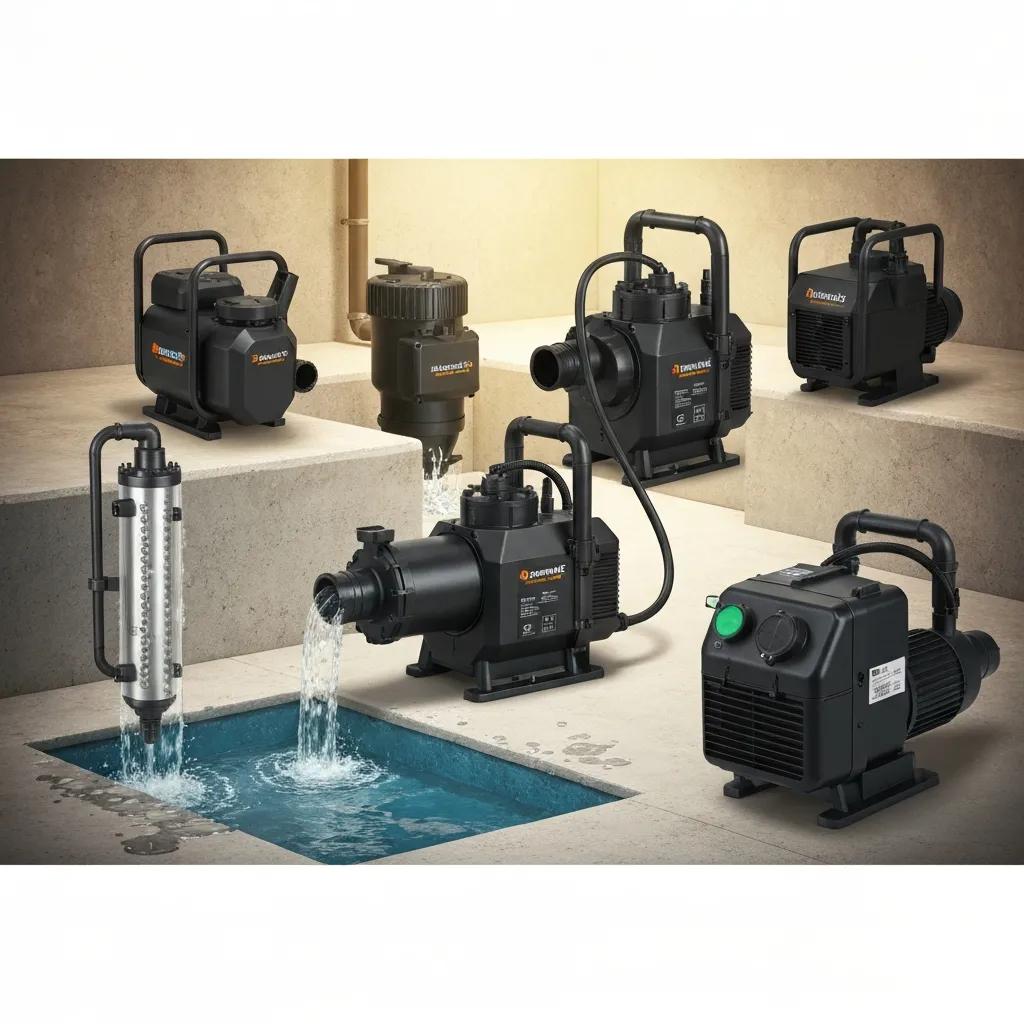
Sump Pump Types Comparison: Which Is Right for You?
Sump Pump Types — Which One Is Right for Your Home?
A sump pump sits in a basement or crawlspace pit and pumps away standing water before it becomes a problem. This guide walks homeowners through the common sump pump types and how to pick the best fit. You’ll learn how submersible and pedestal pumps differ, what backup options (battery and water-powered) do, when a combined system makes sense, and the selection basics—horsepower, flow rate (GPM), float switch style, and pit compatibility. Finished basements, flood-prone lots, and areas with frequent outages all call for different solutions. We link technical details to everyday decisions in the Mid‑Ohio Valley and cover routine maintenance, troubleshooting steps, and when to call for professional installation or emergency repair. Expect clear comparisons, short checklists, and three quick spec tables to make evaluation easy. We also keep useful keywords—sump pump types comparison, submersible vs pedestal sump pump, battery backup sump pump, and sump pump installation Belpre OH—woven into practical, homeowner-focused guidance.
What Are the Main Types of Sump Pumps?
Start by knowing the families of sump pumps so you can narrow options quickly. The main choices are submersible and pedestal pumps, with backup options like battery or water-powered units and packaged combination systems that include a primary pump plus a backup. Each style trades off noise, maintenance, debris handling, lifespan, and installation complexity—so the best choice depends on your basement finish, groundwater risk, and how reliable your electrical supply is. The following subsections explain submersible and pedestal designs in plain terms and note when professional installation or servicing is usually recommended.
How Does a Submersible Sump Pump Work and When Is It Ideal?
A submersible pump sits in the sump pit with its motor and impeller below the water line, forcing water up and out through the discharge. Because the motor is sealed and underwater, submersible units run quietly and tolerate moderate debris better than pedestal pumps. That makes them a strong choice for finished basements, homes with frequent flooding, or situations where noise and appearance matter. For many Mid‑Ohio Valley homeowners facing seasonal groundwater rises, a submersible pump paired with the right float switch and a backup option offers dependable, discreet protection. Local pros often recommend submersible models where space is tight or where a pedestal motor would be obtrusive. Law Plumbing Services installs and repairs submersible systems as part of our sump pump repair & installation offerings—call if your unit seems undersized or is showing signs of failure.
What Are the Features and Benefits of Pedestal Sump Pumps?
Pedestal pumps keep the motor above the pit with just the pump head submerged, so they’re easier to reach for inspection and repair and typically cost less up front. With the motor outside the pit, pedestal units are simpler to service and can be reliable for lower-risk homes with modest flow and little debris. The tradeoffs are louder operation and reduced debris handling compared with submersible pumps. Pedestal pumps often fit unfinished basements, shallow pits, or tighter budgets. If your pit is narrow or you want a unit technicians can service quickly without entering the pit, a pedestal pump can be a solid option—local technicians, including the team at Law Plumbing Services, evaluate pedestal suitability during inspections as part of installation and repair visits.
Different pump architectures matter depending on noise tolerance, pit size, and expected inflow; the table below summarizes practical comparisons across common attributes.
This quick comparison highlights typical tradeoffs among pump types.
Pump TypeCharacteristicTypical Use / NoteSubmersibleQuiet operation, sealed motorGood for finished basements and higher inflow; better at handling debrisPedestalMotor above pit, easy accessCost-effective and easy to maintain; louder and less tolerant of debrisBattery backupAuxiliary power source, separate or integrated motorProtects during power loss; runtime depends on battery sizeWater-powered backupUses municipal water pressure via venturiNo electricity required; performance depends on water pressure and uses potable waterCombination systemPrimary pump plus built-in backup and controlsStreamlined installation and reliable redundancy for high-risk properties
Use this table to match pump types with homeowner priorities before looking at performance specs like horsepower and GPM in the sections that follow.
How Do Battery Backup and Water-Powered Sump Pumps Provide Reliable Flood Protection?
Backups matter when storms and power outages happen at the same time. Battery backup units use a separate battery-powered motor or an integrated backup motor that kicks in automatically when AC power fails, giving you hours of protection based on battery capacity and pump load. Water-powered backups use municipal water through a venturi to move sump water without electricity—so they can run as long as water is available, but they do consume potable water and need adequate municipal pressure. Which backup fits you depends on outage frequency, water costs, available pressure, and how much maintenance you’ll do. The list below summarizes the main pros and cons to help you decide quickly.
Battery and water-powered backups each carry tradeoffs that homeowners should weigh when planning a resilient system.
Battery Backup Pros: Keeps pumping during power outages, preserves discharge performance, and integrates with existing pump plumbing.
Battery Backup Cons: Requires periodic battery care and replacement, has limited runtime, and adds cost and space requirements.
Water-Powered Backup Pros: No batteries to maintain, can run indefinitely while water flows, and starts automatically when plumbed correctly.
Water-Powered Backup Cons: Uses drinking water, relies on municipal pressure, and may be limited by local codes or water costs.
Match outage risk to expected runtime when choosing a backup; the H3s below dig into maintenance and practical limits for each option.
What Are the Benefits and Limitations of Battery Backup Sump Pumps?
Battery backups automatically take over when the power goes out, using deep‑cycle batteries sized to the pump’s draw to provide hours of operation. Their main advantage is uninterrupted pump operation during outages and compatibility with either submersible or pedestal primary pumps. Downsides include ongoing battery testing and replacement, reduced runtime under heavy inflow, and a higher upfront cost for larger battery banks. If outages are common where you live, size the battery conservatively and schedule regular checks—technicians can recommend capacity that balances expected GPM needs and acceptable runtime, and battery inspection/replacement is part of routine professional maintenance.
How Does a Water-Powered Sump Pump Work as a Non-Electric Backup?
Water-powered backups divert municipal water through a special valve and venturi to create suction that pulls sump water into the discharge line—no electricity required. That makes them attractive for long outages, but they use potable water and need reliable municipal pressure. Local codes or water rates may affect whether this option makes sense, and some homeowners prefer not to use drinking water for drainage. When municipal pressure is adequate and regulations allow, a water-powered backup is a low-maintenance complement to an electric primary pump, especially where battery upkeep is difficult.
What Is a Combination Sump Pump System and Who Should Consider It?
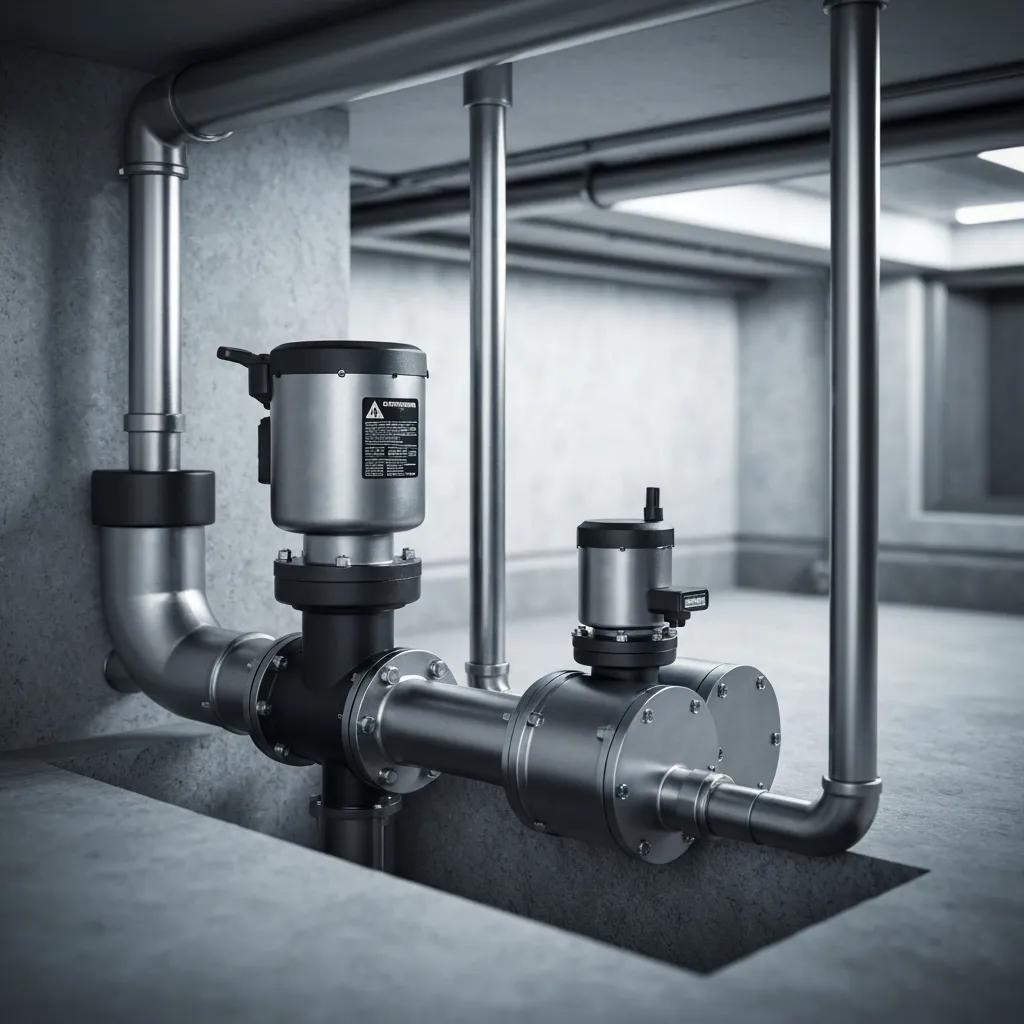
A combination sump pump pairs a primary electric pump with a built‑in backup (battery or water-powered) in a single packaged system. That gives automatic redundancy and simplified controls so you’re less likely to be caught by a single point of failure. Combination systems often include consolidated alarms and status indicators for easier monitoring. They’re a strong choice for finished basements, high-value contents, or properties in flood-prone areas where failure would be costly. The sections that follow explain how redundancy helps and outline cost and installation factors to weigh before you commit to an integrated unit.
How Does a Combination System Enhance Flood Protection?
By combining a primary pump with an automatic backup, a combination system shortens the window of vulnerability: if the primary fails mechanically or loses power, the backup engages and continues pumping without owner intervention. Centralized controls simplify monitoring with a single alarm and status display. In heavy storms with intermittent power, a combination system can keep pace with inflow and alert you before overflow becomes a real threat—offering both uptime and peace of mind for homeowners with finished basements or important basement equipment.
What Are the Cost and Installation Considerations for Combination Pumps?
Combination units usually cost more up front than a single primary pump, but they can reduce the risk of water damage and simplify maintenance under one service plan. They require careful sizing for worst-case inflow, proper discharge plumbing and check-valve placement, and—if using a water-powered backup—verification of municipal pressure and local code compliance. Professional sizing and installation reduce the chance of incorrect routing or undersized discharge lines, which is why many homeowners hire licensed installers. Check permitting requirements ahead of time and plan for regular servicing of both primary and backup components to keep the system reliable over time.
Here are three practical cost and planning items to evaluate before choosing a combination system.
Sizing: Verify combined horsepower and GPM meet worst-case inflow without exceeding pump performance curves.
Permitting & Code: Confirm local codes allow the backup type you choose and whether permits are required.
Maintenance: Account for routine checks of both primary and backup parts and periodic battery replacements if applicable.
Those considerations lead naturally into a homeowner selection checklist in the next section.
How Do You Choose the Right Sump Pump for Your Basement?
Picking the right pump means matching your basement and local risks to pump performance and backup needs. Start by noting basement finish level, sump pit size, typical groundwater inflow, and how often you lose power. Then match those facts to pump style (submersible vs pedestal), horsepower, GPM, and float switch type. For backups: pick battery where outages are frequent, water-powered where municipal pressure is reliable, and combination systems for finished or high-risk spaces. The short decision checklist below turns those observations into clear next steps to discuss during a pro onsite evaluation.
Follow these steps to form a clear equipment recommendation before scheduling installation.
Assess Risk: Note flood frequency, finished below-grade spaces, and signs of a high water table.
Measure Pit: Record sump pit diameter and depth to ensure pump and float compatibility.
Select Performance: Match horsepower and GPM to expected inflow and vertical lift needs.
Pick Backup: Choose battery, water-powered, or combination based on outages and local water pressure.
Plan Installation: Consider discharge routing, check valves, and any permit requirements before starting.
To make specs easier to read, the table below summarizes common pump parameters and homeowner-friendly guidelines.
SpecificationWhat It MeasuresGuidelineHorsepower (HP)Motor power capability1/3–1 HP is common for homes; pick higher HP for steep lift or heavy inflowFlow Rate (GPM)Gallons per minute pumpedMatch GPM to expected inflow; choose higher GPM for faster removal in stormsPit SizeDiameter and depth of sump basinEnsure float switch clearance and stable seating; some pumps require larger pitsFloat Switch TypeActivation mechanismVertical or electronic switches are compact and reliable; tethered floats suit wide pits
This spec table helps you understand how each parameter affects performance and prepares questions for a professional assessment. After you narrow options, a certified installer can confirm final sizing and advise on permits and discharge routing.
Local homeowners in the Mid‑Ohio Valley often benefit from an onsite check—providers can verify municipal water pressure and review outage history to recommend the best backup approach. If you want a professional assessment or urgent repairs, Law Plumbing Services offers sump pump repair & installation with 24/7 emergency support and can provide onsite quotes tailored to Belpre, OH and Parkersburg, WV properties.
Why Is Professional Sump Pump Installation Important in the Mid-Ohio Valley?
Professional installation reduces safety risks, ensures correct pump sizing, routes discharge properly, and keeps you compliant with local codes—lowering the chance of failure and costly water damage. In the Mid‑Ohio Valley, regional groundwater patterns, storm frequency, and occasional power outages make accurate sizing and a reliable backup especially important. Licensed technicians bring the experience to choose the right horsepower, confirm pit compatibility, install check valves and backflow prevention when needed, and configure backups to operate automatically. The next section explains how Law Plumbing Services applies licensed practices and emergency readiness to sump pump work in Belpre and surrounding areas.
How Does Law Plumbing Services Ensure Reliable Installation and Repair?
Law Plumbing Services handles sump pump repair and installation with fast, transparent service and 24/7 emergency readiness. We list sump pump repair & installation among our core water-systems services and offer around-the-clock response. Our technicians are licensed in both West Virginia and Ohio (WV Lic. #053806 | OH Lic. #51303), and we’re a member of the Marietta/Parkersburg Contractors Association, which helps uphold local contracting standards. That mix of licensing, local association membership, and 24/7 availability helps homeowners get timely repairs or same-day installation assessments when flooding is a risk. For an onsite evaluation, contact Law Plumbing Services by phone or visit our local office to arrange a consultation or emergency response.
What Local Factors Affect Sump Pump Performance in Belpre, OH and Parkersburg, WV?
Local factors that influence pump choice include groundwater levels, soil permeability, storm patterns, municipal water pressure for water-powered backups, and how often the grid goes down. High groundwater or clay soils can mean prolonged inflow during storms, which calls for higher GPM capacity and dependable backups. Low municipal pressure may rule out water-powered backups. Areas with many finished basements often favor quiet submersible models. A professional onsite check that considers these local variables ensures an installed system meets real-world conditions—not just theoretical specs.
What Maintenance and Troubleshooting Steps Keep Your Sump Pump Running Smoothly?
Regular maintenance and quick troubleshooting lower the chance of pump failure when you need it most. A short, actionable checklist helps keep systems ready year-round: inspect power connections, test pump operation, clear the sump pit of debris, verify float switch movement, check the discharge line and check valve, and maintain battery health for backups. Homeowners can perform simple checks for clogged intakes or stuck floats, but motor failure, electrical faults, or repeated breaker trips need a licensed plumber. The table below gives a component-level maintenance guide so routine care is easy to follow and you know when to call a pro.
This table lays out maintenance tasks and recommended frequencies for key pump components.
ComponentMaintenance ActionRecommended Frequency / NotesSump PitRemove debris and standing sedimentInspect monthly; clean seasonally or after major stormsFloat SwitchVerify free movement and test activationTest monthly; replace if it sticks or behaves inconsistentlyCheck ValveInspect for backflow and secure fittingsCheck annually and after pump replacementBattery BackupLoad-test battery and inspect terminalsTest monthly during wet season; replace per manufacturer guidanceDischarge PipeEnsure clear routing and freeze protectionInspect seasonally; insulate exposed lines in winter
What Is the Recommended Sump Pump Maintenance Checklist?
Use this concise checklist to keep tasks scannable and actionable so your system is ready before storms hit. Start with a visual inspection of the pit and surrounding area for debris, confirm the pump is level and seated securely, and make sure the power cord is in a GFCI-protected outlet. Manually test the pump by pouring water into the pit until the float trips, listen for unusual noises, and confirm water discharges and the check valve prevents backflow. Load-test battery backups monthly during the wet season and watch for electrical smells, repeated breaker trips, or failure to start—those signs mean you should call a licensed technician.
Follow this checklist to spot issues early and reduce the risk of basement flooding.
Inspect and Clean Pit Monthly: Remove silt, small stones, and debris that can jam the impeller.
Test Pump Operation Monthly: Pour water into the pit to confirm automatic cycling and proper discharge.
Check Float Movement: Make sure the float isn’t tangled and can move through its full range.
Load-Test Backup Systems: Simulate a power loss for battery backups and verify runtime and charging behavior.
If routine checks reveal persistent problems—motor grinding, electrical faults, or weak discharge—contact a licensed professional for evaluation rather than attempting complex motor repairs yourself.
How Can You Identify and Fix Common Sump Pump Problems?
Common issues include clogged intakes, stuck floats, tripped breakers, blocked discharge lines, and battery failures. Many have simple DIY diagnostics: if the pump won’t run, check the outlet and breaker, then pour water into the pit to see if the float rises and the motor engages. For noisy or low-flow operation, inspect the intake screen and impeller for debris and confirm the discharge and check valve are clear. If you encounter motor failure, repeated tripping, or electrical irregularities, stop DIY work and call a licensed service to avoid safety risks. Law Plumbing Services offers 24/7 emergency repair and professional replacements for urgent failures in the Mid‑Ohio Valley—contact us by phone or at the local office to schedule service.
If basic fixes don’t restore normal operation, a professional inspection ensures safe, accurate troubleshooting and repair—combining homeowner checks with licensed service minimizes flood risk and costly damage.
Frequently Asked Questions
1. What factors should I consider when choosing a sump pump for my home?
Consider your sump pit size, expected groundwater inflow, and how often you lose power. Also weigh pump type (submersible or pedestal), horsepower, and flow rate (GPM). Think about backup needs—battery or water-powered—especially if you’re in a flood-prone area. A quick discussion with a pro will help match these factors to the right equipment for your house.
2. How often should I perform maintenance on my sump pump?
Regular maintenance keeps your pump reliable. Inspect the pit and remove debris monthly. Test pump cycling monthly by pouring water into the pit. Load-test battery backups monthly during wet seasons. Check the check valve and float switch at least annually. A simple schedule prevents many emergency failures.
3. What are the signs that my sump pump may need repair?
Look for unusual noises, failure to turn on when water rises, frequent circuit trips, or standing water in the basement despite the pump running. These signs point to clogs, float problems, electrical issues, or motor wear. Address them early to avoid bigger damage.
4. Can I install a sump pump myself, or should I hire a professional?
Some homeowners can handle basic installations, but professional installation is often worth it. Licensed techs ensure correct sizing, proper discharge routing, and code compliance—reducing the chance of future problems. If you’re unsure, call a licensed technician for guidance or an onsite quote.
5. What is the average lifespan of a sump pump?
Sump pumps typically last 5–15 years depending on use, maintenance, and build quality. Submersible pumps often last longer than pedestal units, but good maintenance is the key to extending life. Replace pumps that show signs of wear or fail under heavy rain.
6. How do I know if I need a backup sump pump system?
If heavy rain, flooding, or frequent power outages are common where you live, a backup system is a smart investment. Battery or water-powered backups provide redundancy and reduce the risk of catastrophic basement flooding. Assess local conditions and the value of basement contents to decide if a backup is right for you.
7. What should I do if my sump pump fails during a storm?
If a pump fails during a storm, first check power and breakers. If the pump runs but won’t discharge, look for clogs in intake or discharge lines. If you can’t fix it quickly, call a licensed plumber for emergency service. A backup system can help reduce damage during such events—consider adding one if you don’t have it.

Don’t let that drip turn into a disaster
Small leaks have a funny way of becoming big problems — fast. Whether it’s an annoying faucet, a slow drain, or a full-blown plumbing emergency, Law Plumbing is ready to help. We respond quickly, show up on time, and fix things right the first time. No surprises. No pressure. Just honest work from people who know plumbing.
Let’s get your plumbing back on track — without the runaround.
With over 12 years of experience, we’ve seen it all — and fixed it all!
Licensed in West Virginia and Ohio.
Proud members of the Marietta/Parkersburg Contractors Association.
WV Lic. #053806 | OH Lic. #51303
24/7 plumbing emergency? We’re already on our way

LOCALLY OWNED, COMMUNITY FOCUSED
We’re not a chain, a franchise, or a mystery number in a call center. We’re your neighbors — and we take pride in serving our community with honest work and real results.

EMERGENCY SERVICES
Middle of the night? Sunday afternoon? Holiday weekend? We’ve got you. Plumbing disasters don’t follow a schedule, so neither do we.

SKILLED & TRAINED
PERSONNEL
Our plumbers aren’t just good — they’re certified, experienced, and constantly trained on the latest tools and techniques. So you’re not just getting speed, you’re getting skill.

FAST RELIABLE SERVICE
We don’t drag our feet. Our team responds quickly, arrives on time, and comes prepared to fix the issue on the spot — no drawn-out delays or mystery time windows.
Still thinking about it? Your pipes aren’t.
Plumbing issues don’t get better with time — they get louder, leakier, and more expensive. Whether you need a quick fix or a full install, Law Plumbing is ready to roll.
No pressure. Just solid work, honest pricing, and a team that actually shows up.
Testimonials
Serving Your Area With Trusted Plumbing Solutions