Blogs
Got a leak that won’t quit? Wondering whether your water heater’s on its last leg? Or maybe you just want to learn how to avoid a plumbing disaster at 2 a.m. — we’ve got you. Our blog is where we break down the most common (and not-so-common) plumbing issues, answer real homeowner questions, and offer tips to keep your pipes happy and your wallet intact. No fluff. No fear tactics. Just solid advice from licensed professionals who know what they’re doing — and aren’t afraid to explain it.
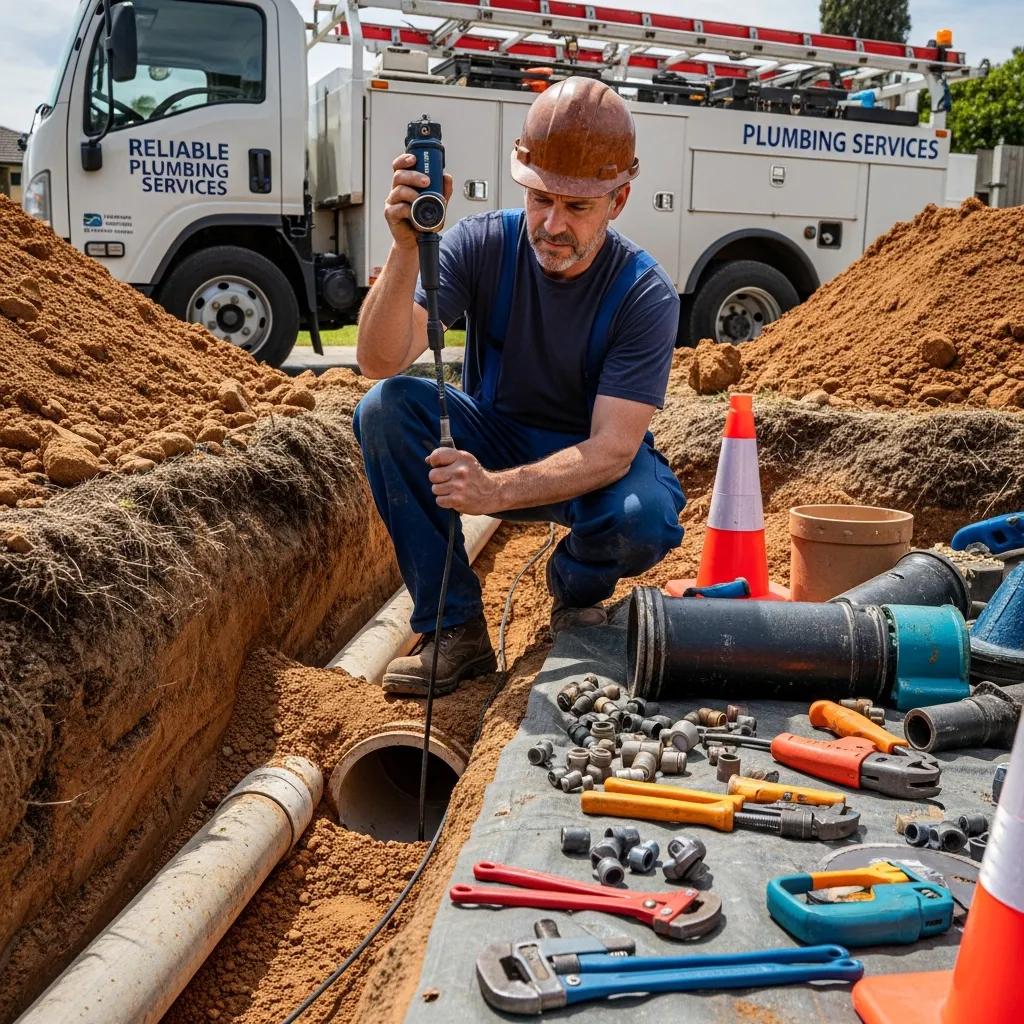
Sewer Line Repair vs Sewer Line Replacement: What Homeowners Should Know
Sewer Line Repair vs. Replacement: What Homeowners Need to Know About Signs, Costs, and Options
Sewer line trouble can be costly and disruptive. Knowing when to repair a section of pipe versus replace the whole line helps you choose the right fix and avoid surprises. This guide covers common warning signs, typical costs, and contractor methods so you can spot problems early and make a level-headed decision for your home. For trusted services, visit our home page to learn more about our offerings.
What are the common signs of sewer line damage homeowners should watch for?

Watch for clear signs: sewage backups in drains or toilets, persistently slow drains, and foul odors inside or in the yard. Other clues include soft or unusually lush lawn patches (a leak beneath) and gurgling or bubbling sounds in pipes. The sooner you notice these, the easier and less expensive the fix. For professional inspections, check out our sewer line repair and installation services.
How do broken sewer pipes affect your property?
Broken sewer pipes can cause water damage, mold growth, and structural issues if unchecked. Sewage exposure creates health risks from bacteria and pathogens, and contaminated soil or groundwater can harm your yard and local environment. Act quickly to limit health hazards and property damage. Learn more about our company and commitment to quality on the About Our Company page.
Which inspection methods help identify damage early?
Common tools include video camera scans that let a plumber inspect the pipe and smoke testing to find leaks or illegal connections. Hydrostatic testing (pressure monitoring) can be useful in some cases. These non-destructive techniques help pinpoint problems and guide the repair choice.
Research highlights the value of advanced monitoring and non-destructive testing for reliable sewerpipe condition assessment.
Sewer Pipe Inspection: Monitoring & Non-Destructive Testing for Damage
Sewage pipe deterioration contributes to significant asset losses and urban hazards worldwide. To improve reliability and efficiency, researchers have developed a range of monitoring and non-destructive testing techniques for defect detection and condition assessment. The study outlines operational, structural, and durability monitoring approaches for sewer networks.
The monitoring approaches and non-destructive testing technologies for sewer pipelines, Y Wang, 2011
How do sewer line repair and replacement compare on cost and disruption?
Homeowners weigh repair versus replacement by cost, disruption, and longevity. Repairs, especially trenchless fixes, are usually cheaper and less disruptive up front; full replacements are more invasive and costly but often last longer. Consider immediate needs, pipe condition and age, and long-term costs when deciding.
Service TypeCostDisruption LevelSewer Line Repair$1,000 - $4,000Low to ModerateSewer Line Replacement$3,000 - $25,000High
What factors influence sewer pipe repair cost?
Costs depend on the damage type, pipe material, repair method (excavation vs. trenchless), and pipe accessibility. Labor rates, permits, and landscape restoration add to the total. Get multiple estimates and request line-item quotes to compare bids directly. Our team can assist with detailed quotes; contact us anytime via our Contact Us page.
How much does sewer line replacement typically cost?
Replacement costs vary — commonly between $3,000 and $25,000 — depending on line length, materials, site conditions, and whether trenchless technology or a full dig-up is used. Local labor and permit fees add to the total; include driveway, sidewalk, and landscaping restoration in your budget.
What are the main sewer line repair methods, including trenchless options?

Repairs range from spot fixes using excavation to trenchless techniques that limit surface disruption. Trenchless sewer repair methods allow crews to rehabilitate or replace pipes with minimal digging, protecting lawns, driveways, and hardscapes while shortening project time.
How does trenchless sewer repair minimize disruption?
Trenchless methods avoid large trenches using cured-in-place pipe (CIPP) lining, pipe bursting to pull a new pipe through the old one, or slip lining. These approaches preserve landscaping, reduce cleanup, and usually finish faster than traditional dig-and-replace work while providing durable results.
Cured-in-place pipe (CIPP) lining is a widely used trenchless technology for rehabilitating failing sewer pipes with minimal surface impact.
CIPP Trenchless Sewer Repair: Rehabilitation Methods & Process
Aging sewer networks pose serious challenges, and trenchless technologies offer practical rehabilitation options. CIPP liners, for example, allow crews to restore a defective sewer without a full excavation. The paper evaluates the steps before, during, and after CIPP installation and discusses opportunities to streamline the overall process.
Investigation into the process of cured-in-place pipe sewer rehabilitation, 2020
When is traditional sewer line repair recommended?
Open excavation and full replacement are usually recommended when pipes are severely collapsed, badly offset, or unsuitable for trenchless methods. Though more disruptive, full replacement can be the most reliable fix for extensive structural damage or when you want modern pipe materials throughout the line.
How can homeowners decide between repair and replacement?
Decision factors include extent of damage, pipe age and material, budget, and long-term property plans. Repairs can be cost-effective short-term; replacements often reduce future risk. Ask your contractor for a condition assessment, expected service life after repair, and a life-cycle cost comparison to inform your choice.
A clear cost–benefit and life-cycle comparison helps homeowners weigh short-term savings against long-term performance when choosing repair versus replacement.
Sewer Repair vs. Replacement: Cost-Benefit Analysis & Decision Making
This study evaluates decision-making for sewer rehabilitation versus full replacement using historical community data. It compares capital and life-cycle costs and considers non-monetary factors that influence choices. Rehabilitation showed lower initial capital costs, but life-cycle costs can be similar; replacement may offer additional infrastructure benefits that change the overall equation.
Evaluation of Life-Cycle Costs and Cost/Benefit Analysis in Comparing Sewer Replacement versus Sewer Rehabilitation, 2013
What are the lifespan and warranty differences between repair and replacement?
Repair lifespans vary by method but commonly range from 5 to 15 years. A full replacement using modern materials like PVC or HDPE can last 50 years or more. Warranties mirror that: repairs often have shorter terms (commonly 1–5 years) while replacements typically include longer warranties (10–25 years or more). Factor expected lifespan and warranty into your decision.
How do emergency sewer line services support urgent repairs?
Emergency sewer services respond quickly — often within 24 hours — to stop backups, reduce health risks, and protect property. If you face a sewage backup or major break, call a licensed emergency plumber right away. For routine longevity, keep up with regular plumbing maintenance and installations to prevent small issues from becoming emergencies. Our emergency plumbing services team is ready to assist you anytime.
Frequently Asked Questions
What are the environmental impacts of sewer line issues?
Leaking or broken lines can contaminate soil and nearby water, harming aquatic life and potentially affecting drinking water. Untreated sewage also creates odors and unsanitary conditions. Prompt repairs limit environmental damage and protect public health.
How can homeowners maintain their sewer lines to prevent issues?
Preventive steps include regular inspections (especially for older pipes), avoiding flushing non-biodegradable items, keeping grease out of drains, and trimming tree roots near sewer lines. Routine cleaning and timely minor repairs extend system life and reduce costly emergencies. For related plumbing needs, we also offer drain cleaning, toilet repairs, bathtub and shower repairs, kitchen sinks and faucets, bathroom sinks and faucets, and garbage disposal repairs and installations.
What should homeowners do if they suspect a sewer line problem?
Act quickly: slow drains, persistent odors, or sewage backups call for a professional inspection. A licensed plumber can run a camera inspection to locate the issue and recommend repair or replacement options to minimize damage and cost. Contact us through our contact page to schedule an inspection.
Are there financing options available for sewer line repairs or replacements?
Many plumbing companies offer financing plans or loans to spread repair or replacement costs. Some municipalities and assistance programs may provide grants for eligible homeowners. Ask providers about payment plans when collecting quotes.
What are the long-term benefits of replacing a sewer line instead of repairing it?
Replacing a sewer line can eliminate recurring problems, improve performance, and add long-term value to your property. While replacement costs more up front, modern materials often reduce future repairs and can be more cost-effective over time.
How can homeowners find a reliable plumber for sewer line services?
Look for licensed, insured plumbers with strong local reviews and clear warranties. Ask for references, verify experience with sewer inspections and trenchless work, and compare multiple written estimates before committing. Personal recommendations from neighbors are also useful. For comprehensive plumbing services, including pool pump installation and servicing, sump pumps, gas line repair, home water filtration system installations, hot water heater repairs and installation, water line repairs, and water coolers, visit our home page.

Don’t let that drip turn into a disaster
Small leaks have a funny way of becoming big problems — fast. Whether it’s an annoying faucet, a slow drain, or a full-blown plumbing emergency, Law Plumbing is ready to help. We respond quickly, show up on time, and fix things right the first time. No surprises. No pressure. Just honest work from people who know plumbing.
Let’s get your plumbing back on track — without the runaround.
With over 12 years of experience, we’ve seen it all — and fixed it all!
Licensed in West Virginia and Ohio.
Proud members of the Marietta/Parkersburg Contractors Association.
WV Lic. #053806 | OH Lic. #51303
24/7 plumbing emergency? We’re already on our way

LOCALLY OWNED, COMMUNITY FOCUSED
We’re not a chain, a franchise, or a mystery number in a call center. We’re your neighbors — and we take pride in serving our community with honest work and real results.

EMERGENCY SERVICES
Middle of the night? Sunday afternoon? Holiday weekend? We’ve got you. Plumbing disasters don’t follow a schedule, so neither do we.

SKILLED & TRAINED
PERSONNEL
Our plumbers aren’t just good — they’re certified, experienced, and constantly trained on the latest tools and techniques. So you’re not just getting speed, you’re getting skill.

FAST RELIABLE SERVICE
We don’t drag our feet. Our team responds quickly, arrives on time, and comes prepared to fix the issue on the spot — no drawn-out delays or mystery time windows.
Still thinking about it? Your pipes aren’t.
Plumbing issues don’t get better with time — they get louder, leakier, and more expensive. Whether you need a quick fix or a full install, Law Plumbing is ready to roll.
No pressure. Just solid work, honest pricing, and a team that actually shows up.
Testimonials
Serving Your Area With Trusted Plumbing Solutions