Blogs
Got a leak that won’t quit? Wondering whether your water heater’s on its last leg? Or maybe you just want to learn how to avoid a plumbing disaster at 2 a.m. — we’ve got you. Our blog is where we break down the most common (and not-so-common) plumbing issues, answer real homeowner questions, and offer tips to keep your pipes happy and your wallet intact. No fluff. No fear tactics. Just solid advice from licensed professionals who know what they’re doing — and aren’t afraid to explain it.
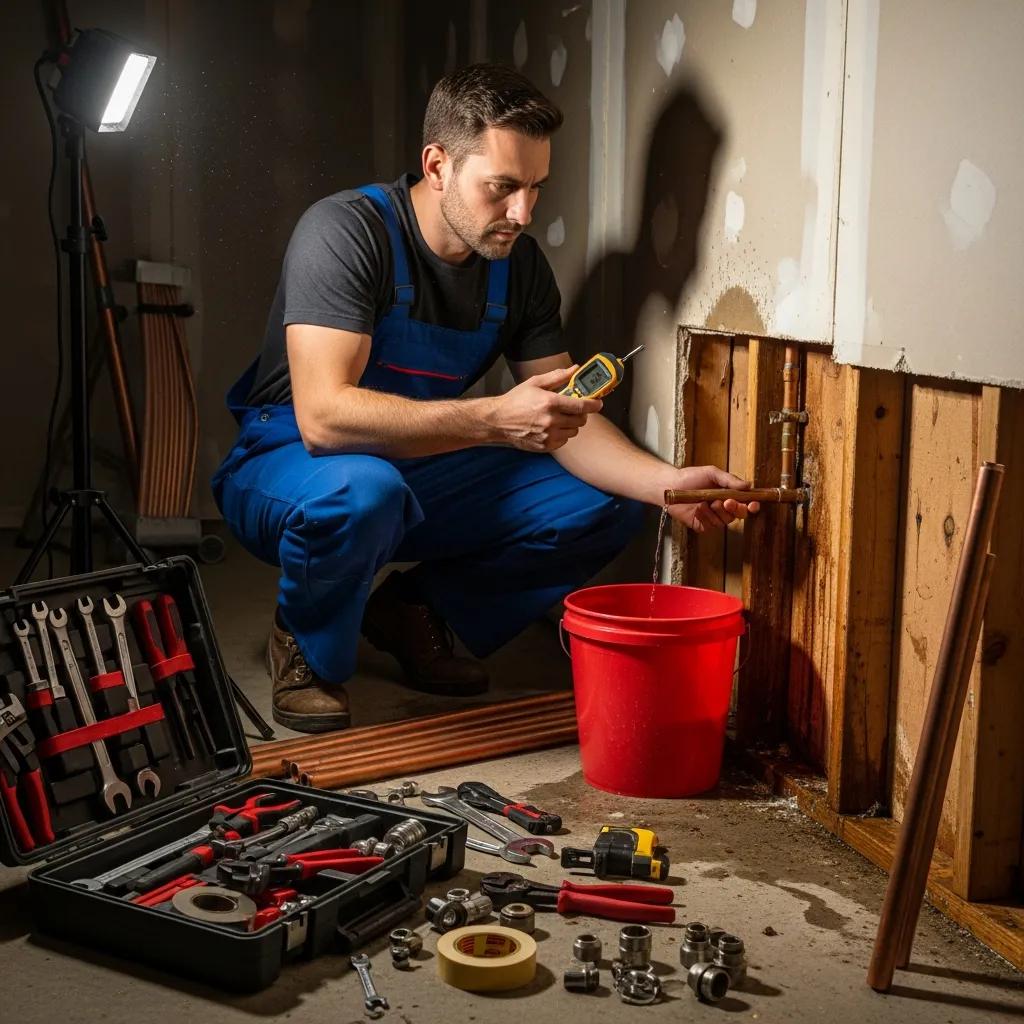
How Long Does Water Line Repair Take—and What Does It Involve?
How long does water line repair take — and what should you expect?
Water line repair keeps clean water flowing to homes and businesses. Knowing the steps and a realistic timeline helps you plan for disruptions and costs. Below we explain how repairs usually proceed, what speeds (or slows) the job, and what to expect during emergency plumbing. We also note the services Law Plumbing Services provides across the Mid‑Ohio Valley, including Belpre, OH and Parkersburg, WV.
What are the typical steps in a water line repair?
Most repairs follow a consistent process to find the problem and fix it safely. First, a licensed plumber diagnoses the issue using the right tools. That diagnosis determines whether a trenchless repair or a traditional excavation is best. Knowing the steps makes the process less stressful and helps you see why professional service matters.
How do licensed plumbers diagnose water line damage?
Licensed plumbers use targeted tools and homeowner information to pinpoint problems. Common diagnostic methods include:
Video inspection (camera): We run a camera through the pipe to see blockages, cracks, or root intrusion without digging up your yard.
Pressure testing: This lets us confirm leaks or pressure loss in the system.
Homeowner details: Notes about odd water bills, wet spots, or drops in pressure often point us in the right direction.
Combining these approaches helps plumbers diagnose accurately and recommend the most effective repair.
Trenchless vs. traditional — what are the main repair methods?

There are two primary ways to fix a damaged water line: trenchless repairs and traditional excavation.
Trenchless water line repair: Minimal digging—methods like pipe relining or pipe bursting—so repairs are usually faster and cause less disruption to landscaping and driveways. Long-term, it can save money on restoration and labor.
Traditional water line repair: Open excavation to reach and replace the pipe. It’s more disruptive and takes longer to restore the site, but it’s sometimes necessary for major damage or specific pipe layouts.
Each method has trade-offs. The right choice depends on the pipe condition, location, and access.
Research increasingly shows trenchless techniques reduce surface damage and speed up many replacements.
Trenchless vs. traditional water pipe repair
Trenchless, or “no‑dig,” methods—such as relining and pipe bursting—minimize excavation and are becoming more effective and common for replacing aging potable water mains. A comparative study of trenchless technologies versus traditional open trenching for the replacement of ageing potable water pipelines, S. Hay, 2014
How long does water line repair usually take?
Repair time varies. A straightforward fix can take a few hours; more complex replacements or repairs can stretch into a few days. The method chosen, site conditions, and permitting all play a role.
What factors influence water line replacement time?
Several practical factors affect how long a repair will take:
Project complexity: Extensive damage, hard‑to‑reach pipes, or multiple leaks add time.
Permit requirements: Local permits or inspections can add extra days to the schedule.
Service availability: High demand or limited crew availability may delay the start of work.
Knowing these factors helps set realistic expectations for scheduling and costs.
Academic work also examines how context and interdependencies affect repair durations for bulk water systems.
Factors affecting water pipe repair times
Studies investigate how local context, access constraints, and workflow dependencies influence predicted repair times for bulk water pipe maintenance and replacement. The impact of contextual factors on the predicted bulk water pipe repair times in Wellington City: a thesis presented in partial fulfilment of the requirements for the …, 2017
How does emergency plumbing change the timeline?
Emergency repairs are prioritized and can move ahead of scheduled jobs. Plumbing teams use rapid‑response protocols to limit damage and speed repairs—especially important when leaks threaten the home or safety.
What should customers expect during emergency water line repair?
In an emergency, expect a quick assessment and immediate stabilizing actions. Techs will evaluate the situation, stop major leaks when possible, and outline the next steps for repair or replacement.
How does 24/7 emergency plumbing service work?

Emergency service is available any time. The typical flow is:
Contact methods: Call or submit a request online to report the issue.
Emergency triage: We assess the urgency over the phone to determine the fastest next steps.
Dispatch: A technician is sent to stabilize the situation and start repairs as needed.
Around‑the‑clock availability helps reduce damage and long‑term costs from uncontrolled leaks.
What common signs mean you need immediate water line repair?
Watch for these warning signs that require prompt attention:
Visible leaks: Soggy or sunken areas in your yard can signal a broken line.
Unexplained water bills: A sudden spike often points to a hidden leak.
Low water pressure: A sudden, sustained drop in pressure can mean a line problem.
Spotting these early can prevent bigger repairs and more expense.
How much does water line repair cost and what warranties are offered?
Cost depends on the repair type, pipe condition, and site access. Knowing typical ranges and warranty options helps you budget and choose a trustworthy provider.
What are typical water line repair cost ranges?
Most repairs fall in a broad range—commonly around $1,000 to $3,500—depending on complexity and whether trenchless methods can be used. Emergency services or extensive replacements can raise the price.
What warranty options protect water line repairs?
Many plumbers, including Law Plumbing Services, offer warranties that cover workmanship and materials. Typical details include:
Duration: Warranties can range from one year up to several years, depending on the job and materials.
Coverage: Most policies protect against defects in workmanship and the parts installed during the repair.
Ask your provider for the specific warranty terms before work begins so you know what’s covered.
If you need work on other systems, consider professional plumbing repair and installations, prompt sewer line repair, or certified gas line repair to keep your property safe and compliant.
Frequently Asked Questions
What are the signs that indicate a water line repair is necessary?
Look for obvious signs like puddles or wet spots in the yard, an unexplained jump in your water bill, or a sudden drop in water pressure. Any of these can mean a leaking or broken line—call a licensed plumber right away.
How can homeowners prepare for a water line repair?
Prepare by locating your main shut‑off valve and testing that it works, clearing the area around the suspected repair site, and arranging alternate water access if the supply will be interrupted. Let neighbors know if work will affect shared lines or driveways.
What should I do if I suspect a water line leak?
If you suspect a leak, turn off the main water supply to limit damage, note any visible signs (wet spots, higher bills), and contact a licensed plumbing service for an inspection. Quick action reduces repair scope and cost.
Are there any preventative measures to avoid future water line issues?
Regular inspections, avoiding flushing non‑biodegradable items, insulating pipes in cold climates, and monitoring tree roots near underground lines all help prevent future problems. Professional inspections catch small issues before they become major repairs.
What are the environmental impacts of water line repairs?
Traditional excavation can disturb soil and vegetation, but trenchless options greatly reduce surface damage. Fixing leaks promptly also conserves water and reduces the environmental cost of lost treated water.
How can I choose the right plumbing service for water line repairs?
Choose a licensed, insured company with local experience—read reviews, ask about trenchless experience, request multiple quotes, and confirm warranty terms. A reputable local plumber will explain options and costs clearly before starting work.

Don’t let that drip turn into a disaster
Small leaks have a funny way of becoming big problems — fast. Whether it’s an annoying faucet, a slow drain, or a full-blown plumbing emergency, Law Plumbing is ready to help. We respond quickly, show up on time, and fix things right the first time. No surprises. No pressure. Just honest work from people who know plumbing.
Let’s get your plumbing back on track — without the runaround.
With over 12 years of experience, we’ve seen it all — and fixed it all!
Licensed in West Virginia and Ohio.
Proud members of the Marietta/Parkersburg Contractors Association.
WV Lic. #053806 | OH Lic. #51303
24/7 plumbing emergency? We’re already on our way

LOCALLY OWNED, COMMUNITY FOCUSED
We’re not a chain, a franchise, or a mystery number in a call center. We’re your neighbors — and we take pride in serving our community with honest work and real results.

EMERGENCY SERVICES
Middle of the night? Sunday afternoon? Holiday weekend? We’ve got you. Plumbing disasters don’t follow a schedule, so neither do we.

SKILLED & TRAINED
PERSONNEL
Our plumbers aren’t just good — they’re certified, experienced, and constantly trained on the latest tools and techniques. So you’re not just getting speed, you’re getting skill.

FAST RELIABLE SERVICE
We don’t drag our feet. Our team responds quickly, arrives on time, and comes prepared to fix the issue on the spot — no drawn-out delays or mystery time windows.
Still thinking about it? Your pipes aren’t.
Plumbing issues don’t get better with time — they get louder, leakier, and more expensive. Whether you need a quick fix or a full install, Law Plumbing is ready to roll.
No pressure. Just solid work, honest pricing, and a team that actually shows up.
Testimonials
Serving Your Area With Trusted Plumbing Solutions