Blogs
Got a leak that won’t quit? Wondering whether your water heater’s on its last leg? Or maybe you just want to learn how to avoid a plumbing disaster at 2 a.m. — we’ve got you. Our blog is where we break down the most common (and not-so-common) plumbing issues, answer real homeowner questions, and offer tips to keep your pipes happy and your wallet intact. No fluff. No fear tactics. Just solid advice from licensed professionals who know what they’re doing — and aren’t afraid to explain it.
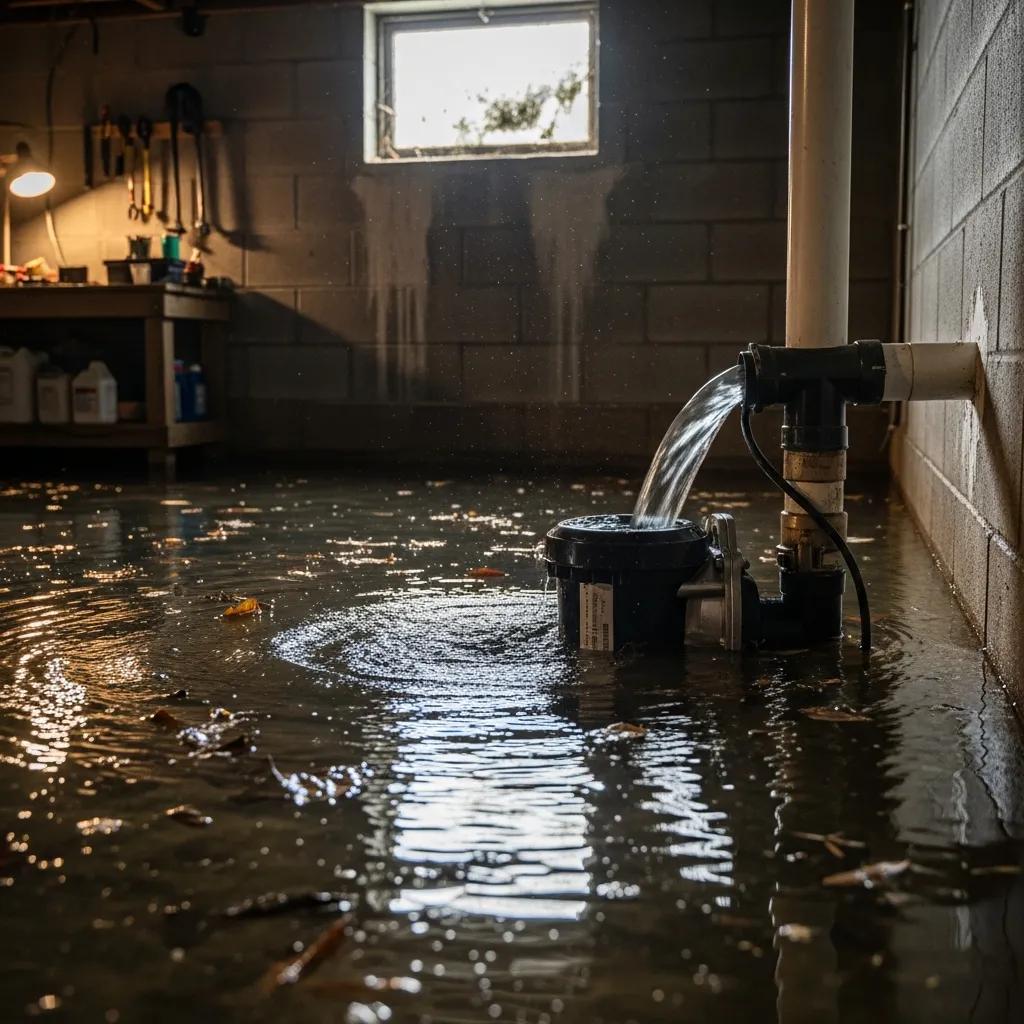
7 Signs You Need Sump Pump Repair Before the Next Heavy Rain
7 Signs You Need Sump Pump Repair Before the Next Heavy Rain
Proactive maintenance of your sump pump is essential for homeowners. According to the Environmental Protection Agency (EPA), basement flooding is a leading cause of property damage in the United States, costing homeowners billions annually. In fact, the EPA estimates that flooding causes more than $3 billion in property damage each year. Sump pumps play a critical role in preventing basement flooding and water damage. This article lists seven signs of pump failure so you can act before heavy rain and protect your property.
Homeowners should be vigilant for the following 7 essential warning indicators regarding sump pump repair before the next heavy rain:
Early recognition prevents flooding and costly repairs; the seven signs below need prompt attention. According to the National Fire Protection Association (NFPA), timely sump pump maintenance can reduce water damage risks by up to 50%, potentially saving thousands in repair costs.
Not Kicking On: pump fails to activate when water rises.
Running Constantly: pump runs without stopping, often due to a float or a clog.
Unusual Noises: grinding, rattling, or humming signal mechanical issues.
Visible Rust or Corrosion: rust on pump or components indicates deterioration.
Frequent Cycling: short on/off cycles suggest wiring or float problems.
Water Accumulation: puddles or dampness near pit indicate failure.
Old Age: pumps over seven to ten years may need replacement.
What Are the Key Signs Indicating Sump Pump Failure?

Watch for failure to activate, continuous running, and unusual noises — these are the most urgent signs. A study by the HomeAdvisor found that 60% of sump pump failures occur due to these issues, highlighting the importance of early detection.
Not Kicking On: may result from power loss, stuck float, or jammed impeller.
Running Constantly: often caused by a faulty float switch or clogged discharge.
Unusual Noises: may indicate motor wear or debris obstruction.
How Does Continuous Motor Running Signal a Problem?
Continuous running indicates an underlying issue; common causes:
Faulty Float Switch: stuck float causes nonstop operation and wear.
Clogged Discharge Line: blockages prevent water discharge, forcing constant running.
Overworked Pump: an undersized pump may run continuously during heavy inflow.
Left unchecked, this shortens pump life and raises costs. According to The Hydraulic Institute, continuous running can reduce sump pump lifespan by up to 40%, emphasizing the need for timely repairs.
What Does Unusual Noise Reveal About Sump Pump Health?
Noises often point to mechanical trouble or obstructions. The Angi Home Services report highlights that unusual noises are an early warning sign of impending pump failure, with grinding noises often indicating motor or impeller damage.
Grinding Noises: may signal motor or impeller damage.
Rattling Sounds: loose parts or float damage need inspection.
Humming: motor humming without pumping suggests malfunction.
Arrange an inspection if these sounds occur to prevent costly breakdowns.
How Can You Test Your Sump Pump to Detect Early Failures?
Simple, regular tests reveal early faults.
Power and Breaker Check: confirm plug and breaker status.
Float Movement Observation: lift float manually to see activation.
Discharge Line Inspection: verify discharge clear and outlet unobstructed.
Testing reduces emergency repairs and extends pump life, with regular maintenance shown to reduce emergency repair costs by up to 50%.
When Should You Consider Professional Testing Over DIY Methods?
DIY checks help, but get a pro for electrical, complex, or urgent issues. The International Association of Certified Home Inspectors (InterNACHI) advises professional inspections every 1-2 years to ensure safety and compliance.
Signs Requiring Immediate Attention: nonfunctioning pump with forecasted rain.
Complex Issues: electrical or mechanical failures need pros.
Lack of Experience: hire a professional if unsure to avoid damage.
A professional can diagnose safely and recommend repairs, reducing the risk of costly failures.
When Is Emergency Sump Pump Repair Necessary Before Heavy Rain?
Emergency repair is needed when failure risks immediate flooding. The American Red Cross emphasizes the importance of timely sump pump repair to prevent flood damage, noting that flood damage is the most common and costly natural disaster in the U.S.
Urgency of Repair: pump down and heavy rain forecast.
Consequences of Neglect: delays can cause water damage and mold, which the Centers for Disease Control and Prevention (CDC) links to respiratory issues.
Recommended Actions: contact a plumber to assess and repair promptly.
Act quickly to limit damage and health risks.
Which Symptoms Require Immediate Professional Attention?
Certain signs need immediate pro intervention. These include:
Pump Not Turning On: no activation under rising water.
Continuous Running: non-stop operation risks burnout.
Visible Water or Dampness: pooling or damp indicates pump failure.
Prompt service prevents further home damage. According to HomeAdvisor, early repairs can save homeowners up to 70% in flood damage costs.
How Does Rapid Response Prevent Costly Basement Water Damage?
Rapid response limits intrusion and lowers repair costs. Key considerations include:
Cost Implications of Delays: waiting increases likelihood of extensive damage, with the average basement flood repair costing over $7,000, according to the Insurance Information Institute.
Preventative Measures: regular maintenance reduces emergencies.
Long-Term Benefits of Rapid Response: fast repairs protect your home and save money.
Proactive maintenance is cost-effective long term. The Angi estimates that regular maintenance can reduce emergency repair costs by 50%.
What Preventative Maintenance Tips Help Avoid Sump Pump Failures?

Simple steps extend service life and prevent failures. To extend the pump's service life and reduce the risk of failure, follow these preventative maintenance tips:
Regular Inspections: check pump operation at least yearly.
Clean the Pit: remove debris and sediment to avoid clogs.
Test the Pump: run regular activation tests and verify discharge.
Check the Backup System: ensure battery or water-powered backups are functional and ready.
Inspect Power Sources: verify that power cords and outlets are in good condition and protected from moisture.
Maintain Discharge Lines: clear any obstructions and ensure proper drainage away from the foundation.
Maintain these habits to reduce unexpected breakdowns. The Hydraulic Institute recommends annual professional inspections for optimal performance, noting that well-maintained pumps can last beyond 10 years.
Which Routine Checks Extend Sump Pump Lifespan?
Routine checks keep pumps reliable. Key checks include:
Routine Inspections: look for wear, rust, and corrosion.
Testing the Pump: lift float to confirm activation.
Cleaning the Intake Screen: clear screen to prevent blockages.
Lubricate Moving Parts: apply manufacturer-recommended lubricants to reduce wear.
Monitor Pump Performance: track how often the pump cycles to detect abnormal patterns early.
Add checks to your maintenance plan to extend pump life and reduce failure risk.
How Does Local Mid-Ohio Valley Weather Impact Maintenance Needs?
Local weather influences inspection frequency and urgency. Consider these factors:
Seasonal Considerations: spring and summer rains need more checks, as the National Oceanic and Atmospheric Administration (NOAA) reports increased precipitation in these months.
Impact of Heavy Rain and Snowmelt: increased runoff and snowmelt raise demand on pump.
Importance of Regular Maintenance: keeping up with maintenance ensures readiness.
Storm Preparedness: before forecasted storms, perform extra inspections and tests to ensure pump readiness.
Flood History Awareness: homes in flood-prone areas require more frequent maintenance and possibly upgraded pump systems.
Recognizing local weather impacts helps you plan maintenance. For comprehensive or urgent needs, consider emergency plumbing services.
Frequently Asked Questions
What is the average lifespan of a sump pump?
Typically 7–10 years; regular inspections and cleaning can extend life. Replace a pump if it has frequent failures. The Hydraulic Institute notes that proper maintenance can add several years to pump life.
How can I tell if my sump pump is energy efficient?
Check energy consumption (watts) and any ENERGY STAR rating. Match horsepower to basement size and keep the pump maintained. Energy-efficient models can reduce electricity use by up to 30%, according to ENERGY STAR.
What should I do if my sump pump fails during a storm?
Verify power and breaker first. If inoperative, remove excess water with a wet/dry vacuum or buckets and contact a plumber immediately. The American Red Cross advises quick action to minimize flood damage.
Can I install a sump pump myself?
Experienced DIYers with plumbing and electrical skills can install, but hiring a professional ensures correct installation and code compliance. Improper installation can lead to failures and void warranties, warns InterNACHI.
What are the benefits of having a backup sump pump?
Backup pumps (battery or water-powered) protect during power outages or primary pump failure, giving extra assurance during severe weather. According to HomeAdvisor, backup systems reduce flood risk by up to 80%.
How often should I perform maintenance on my sump pump?
Perform maintenance at least once a year: check operation, clean the pit, inspect the discharge line, and test the float. Increase frequency for heavy rainfall areas. The Family Handyman recommends monthly checks during rainy seasons.
What are the signs that indicate I need to replace my sump pump?
Replace if it has frequent breakdowns, runs continuously without pumping, shows rust or corrosion, or is over ten years old. The Hydraulic Institute suggests replacement after 7-10 years to avoid unexpected failures.

Don’t let that drip turn into a disaster
Small leaks have a funny way of becoming big problems — fast. Whether it’s an annoying faucet, a slow drain, or a full-blown plumbing emergency, Law Plumbing is ready to help. We respond quickly, show up on time, and fix things right the first time. No surprises. No pressure. Just honest work from people who know plumbing.
Let’s get your plumbing back on track — without the runaround.
With over 12 years of experience, we’ve seen it all — and fixed it all!
Licensed in West Virginia and Ohio.
Proud members of the Marietta/Parkersburg Contractors Association.
WV Lic. #053806 | OH Lic. #51303
24/7 plumbing emergency? We’re already on our way

LOCALLY OWNED, COMMUNITY FOCUSED
We’re not a chain, a franchise, or a mystery number in a call center. We’re your neighbors — and we take pride in serving our community with honest work and real results.

EMERGENCY SERVICES
Middle of the night? Sunday afternoon? Holiday weekend? We’ve got you. Plumbing disasters don’t follow a schedule, so neither do we.

SKILLED & TRAINED
PERSONNEL
Our plumbers aren’t just good — they’re certified, experienced, and constantly trained on the latest tools and techniques. So you’re not just getting speed, you’re getting skill.

FAST RELIABLE SERVICE
We don’t drag our feet. Our team responds quickly, arrives on time, and comes prepared to fix the issue on the spot — no drawn-out delays or mystery time windows.
Still thinking about it? Your pipes aren’t.
Plumbing issues don’t get better with time — they get louder, leakier, and more expensive. Whether you need a quick fix or a full install, Law Plumbing is ready to roll.
No pressure. Just solid work, honest pricing, and a team that actually shows up.
Testimonials
Serving Your Area With Trusted Plumbing Solutions